
DOMINANT ANGLE
Doha sees Aleksandar Vučić's resignation as a maneuver to prolong his grip on Serbian power, by changing seats rather than leaving the scene.
Dominant angle identified — does not reflect unanimity of this country’s media
KEY POINTS
- 01
Aleksandar Vučić resigned on Sunday, September 27, to run as a candidate for Prime Minister at the head of the SNS list in the early legislative elections on October 25.
- 02
He pardoned 49 people just before leaving office, including 23 convicted in connection with the student protests.
- 03
Ana Brnabić, Parliament President and close Vučić ally, is assuming the interim presidency until an election.
ANALYSIS
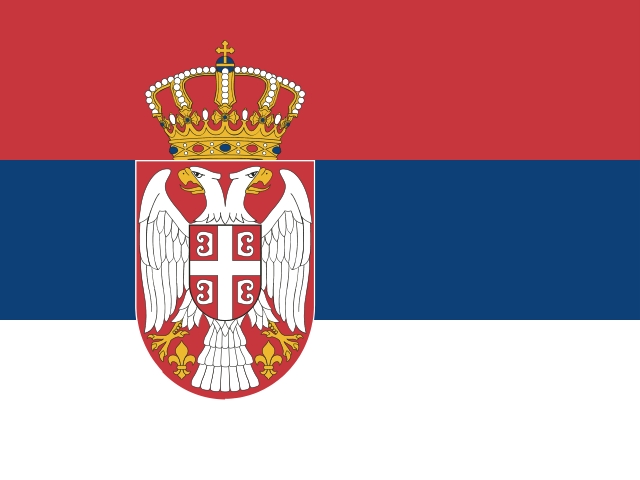
Doha, September 28, 2026. Qatari media is closely following the institutional shift in Serbia: on Sunday, September 27, Aleksandar Vučić announced his resignation from the presidency to lead the list of his Serbian Progressive Party (SNS) in the early legislative elections on October 25 and run for the post of Prime Minister. Al Jazeera notes that the Constitution prohibited him from serving a third presidential term — his second term was due to end next May — and points out that he is now "seeking to extend his hold on power through the parliamentary vote". The channel recalls that he has dominated Serbian political life, as president or prime minister, since 2014.
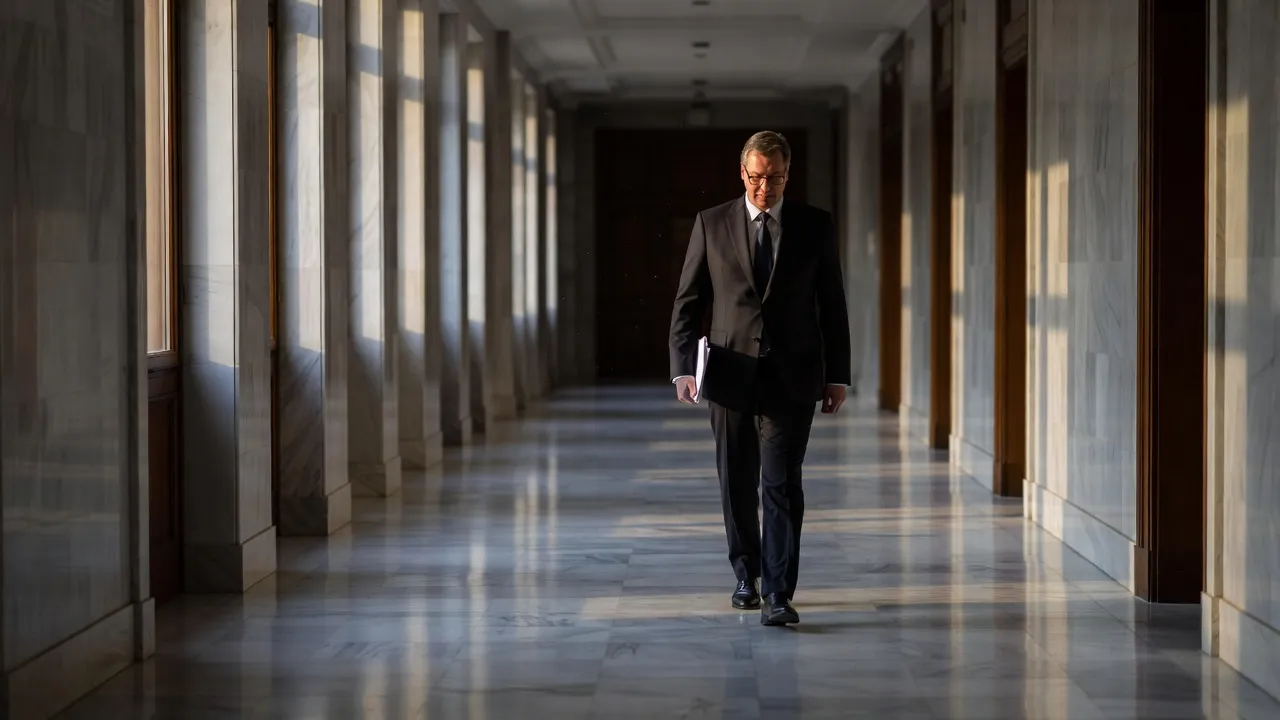
According to Gulf Times, Vučić delivered his resignation speech from the presidential palace in Belgrade, where gathered supporters outside chanted his name. "I resign from the presidency," he said. "Tomorrow morning, I will hand over my duties to the Speaker of the Parliament." Ana Brnabić, a close ally, will ensure the interim presidency until an election is held. The newspaper specifies that nothing in the law required him to resign, and quotes his phrase: "I want to compete as an ordinary man, as one of the people."
Both newspapers link this shift to the student movement that emerged after the collapse, on November 1, 2024, of the canopy of the Novi Sad train station, which killed 16 people. Al Jazeera mentions some of the largest protests in the country's history, mobilizing hundreds of thousands of people around accusations of corruption, lack of transparency, and political interference in institutions — accusations that Vučić and his allies reject. Gulf Times adds that the tragedy triggered the largest protests since the fall of Slobodan Milošević in 2000, with the president eventually giving in to the demand for early elections, citing "major turbulence on the domestic political scene".
Minutes before officially announcing his departure, Vučić used his constitutional powers to pardon 49 people, including students and party loyalists suspected of offenses related to the protests. "I have decided to pardon 49 people, including 23 related to the terrible events we have experienced over the past year and a half," he specified. For Qatari media, this calculated resignation illustrates a strategy of preserving power rather than a political withdrawal.