
DOMINANT ANGLE
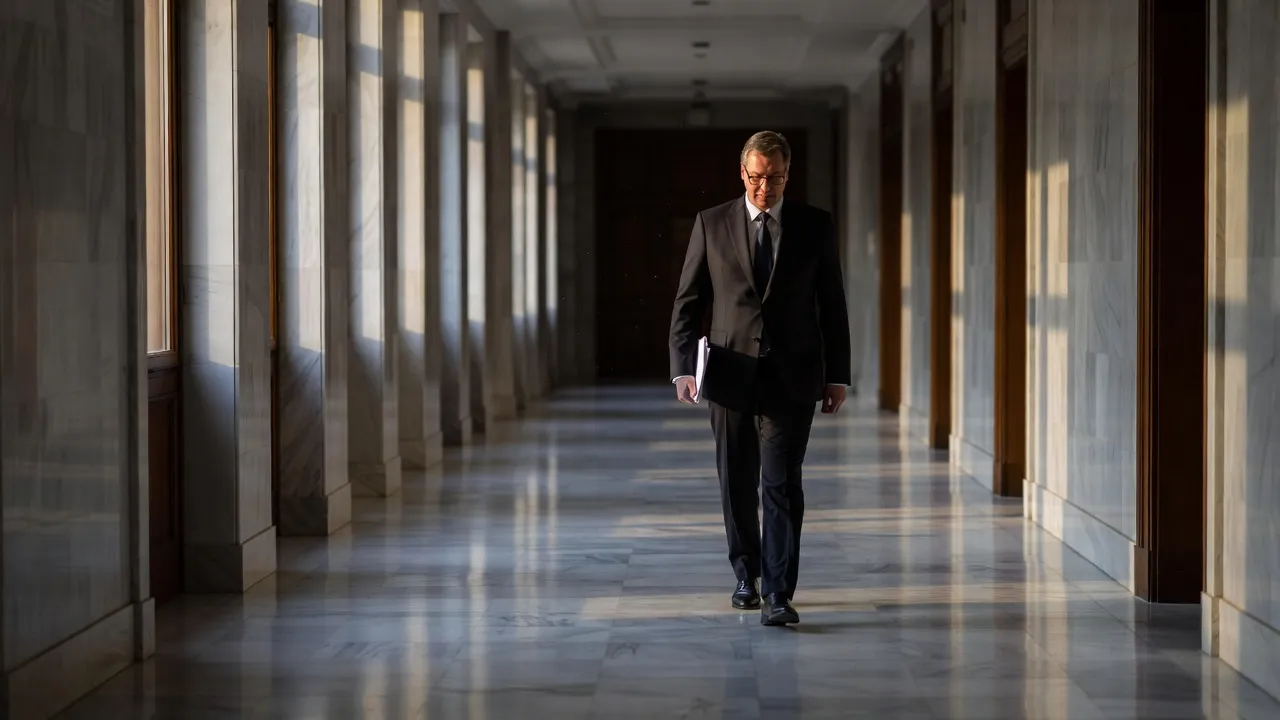
Berne sees Aleksandar Vučić's resignation as less of a withdrawal and more of a maneuver to consolidate his power in the face of student protests, by seeking a prime minister post deemed more powerful than the presidency.
Dominant angle identified — does not reflect unanimity of this country’s media
KEY POINTS
- 01
Aleksandar Vučić announced his resignation on Sunday, September 27, 2026, to lead the SNS list in the early legislative elections on October 25 and run for the post of prime minister.
- 02
Before stepping down, he pardoned 49 people or dropped their prosecutions, including 23 targeted in the context of the student protests (SRF).
- 03
Parliament President Ana Brnabić is ensuring the interim presidency; the student movement was born out of the collapse of the canopy at Novi Sad railway station in November 2024, which killed 16 people.
ANALYSIS
Berne, September 28, 2026. The Swiss press sees the resignation of Aleksandar Vučić, announced on Sunday, September 27, 2026, as less of a withdrawal than a maneuver to prolong his grip on Serbia. The president's words were reported in front of the presidential palace, where his supporters were chanting his name: "I am resigning from my duties as president," followed by "Tomorrow morning, I will hand over my mandate to the president of the National Assembly." Elected in 2017 and re-elected in May 2022, Vučić, 56, has cut short a five-year term that the law did not require him to leave, in order to run at the head of the Serbian Progressive Party (SNS) list in the early legislative elections on October 25, with the ambition of becoming prime minister - a function considered more powerful than the presidency. The Constitution would have prevented him from running for a third term as head of state anyway. "I want to present myself as an ordinary man, as one of the people," he assured.
The German-language radio and television SRF describes Vučić as a "partly autocratic" leader and sees his resignation as a power consolidation maneuver. It recalls his career: Minister of Information under Slobodan Milošević from 1998 to 2000, Minister of Defense from 2012 to 2013, Prime Minister from 2014 to 2017, before two consecutive presidential terms. Milošević, SRF recalls, was indicted for genocide by the International Criminal Tribunal in The Hague and died in detention before any verdict. The President of the Parliament, Ana Brnabić, a political ally of the outgoing president, is now ensuring the interim.
The two newspapers link the maneuver to the student protests that emerged after the collapse, in November 2024, of the canopy of the Novi Sad train station, which killed 16 people and was largely attributed to corruption. The Temps sees this as the largest protests since the fall of Milošević in 2000, with the holding of early elections being one of the central demands of the movement, which had been requested for a long time without a date being set until early September. SRF notes that Vučić, before leaving office, pardoned 49 people or dropped their prosecutions, including 23 targeted in the context of student mobilizations - a final gesture of a president under strong internal pressure.