
DOMINANT ANGLE
Belgrade is split between two irreconcilable views of Aleksandar Vučić's resignation: for the government, a strategist who is changing seats without giving up the game; for the opposition, a "capitulation" that finally exposes him as an ordinary candidate.
Dominant angle identified — does not reflect unanimity of this country’s media
KEY POINTS
- 01
Vučić resigned on Sunday, September 27, 2026, to lead the "Aleksandar Vučić – United Serbia" list in the early legislative elections on October 25, aiming for the post of Prime Minister
- 02
He pardoned 49 people, including 23 related to the protests, featuring 12 members of the "Novi Sad group" despite the advice of the security services and 11 people involved in incidents against protesters
- 03
Ana Brnabić is handling the interim presidency; according to Blic, she becomes the first person to have held the three highest functions of the state (Prime Minister, President of the Assembly, interim President)
ANALYSIS
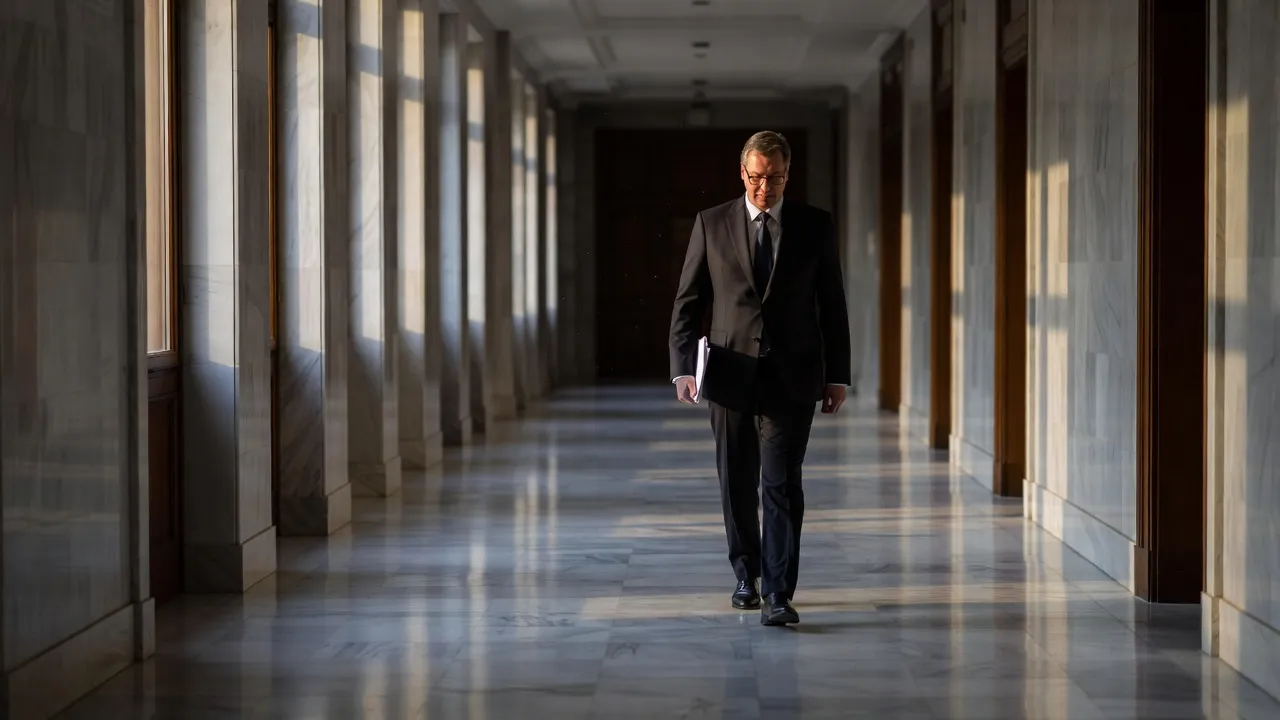
Belgrade, September 28, 2026. On Sunday evening, at the Presidency headquarters, Aleksandar Vučić announced his resignation, explaining that he wants to participate "without a function" in the campaign for the early legislative elections on October 25, which he is leading at the head of the "Aleksandar Vučić – United Serbia" list. He said he wants to travel the country "like a simple citizen", before running, in the event of a victory, for the post of Prime Minister, which is constitutionally more extensive than the one he is leaving.
The President of the Assembly, Ana Brnabić, is ensuring the interim; the Constitution requires a presidential election within three months. Blic notes that she becomes the first Serbian personality to have held the three highest functions in the country: interim president, Prime Minister, and President of the Parliament.
Before leaving, Vučić announced that he had pardoned 49 people, including 23 related to the demonstrations of the last two years: twelve members of the "Novi Sad group", despite the contrary opinion of the security services, and eleven people involved in incidents against the "blockers". He described this gesture as an "act of clemency", while acknowledging that the decision would disappoint a part of his own supporters.
At the SNS, Vice-President Marko Đurić praises Vučić's "deepest political mark": a Serbia "strong enough to decide its own destiny alone", built, according to him, on fifteen years of priority given to GDP, investments, and employment. The Serbian List, which represents the Serbs of Kosovo, adds its own gratitude, evoking schools, dispensaries, and jobs financed "in the name of the survival of the Serbian people" on their ancestral lands.
The opposition reads the episode in reverse. Candidate Marinika Tepić qualifies the resignation as "capitulation" and demands "criminal responsibility, seizure of assets, and lustration", calling for an anti-Vučić front before October 25. Brnabić rejects the term, accusing the opposition of saying the opposite of what they said yesterday and refusing any televised debate with Vučić for fear of having to respond to his arguments.
The Student List "Studenti pobeđuju" declined the RTS's invitation to a face-to-face three times, demanding to know the theme, format, and participants in advance; it insists on the fact that it is not built "around the name of a single man", unlike Vučić's list. On N1, a candidate from this same list summarized the shift: now a simple candidate, Vučić would be "equalized" with his electoral opponents.