DOMINANT ANGLE
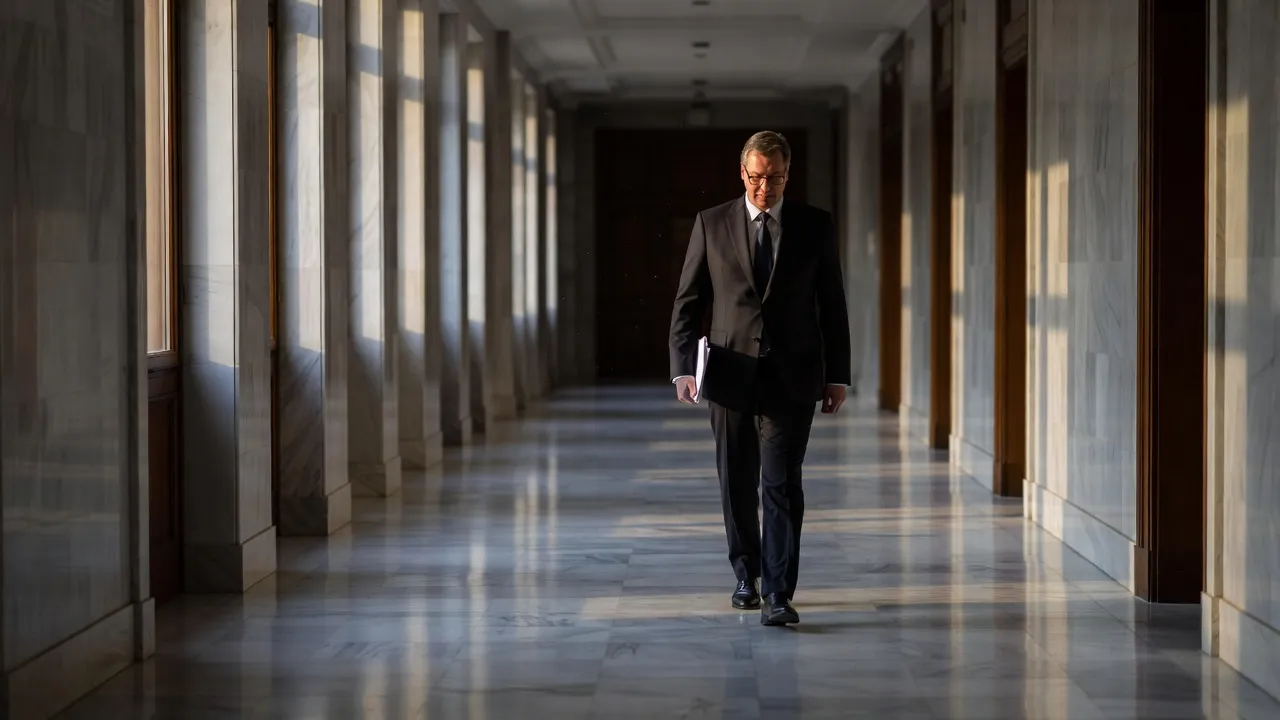
Bucharest sees Aleksandar Vučić's resignation as a tactical maneuver: stepping down as president to bounce back to the more powerful position of Prime Minister, without ever relinquishing control of Serbia.
Dominant angle identified — does not reflect unanimity of this country’s media
KEY POINTS
- 01
Vučić resigned on Sunday, September 27, seven months before the end of his second presidential term, according to Digi24 (Reuters/Euractiv).
- 02
Serbian law requires a presidential election to be held within three months of the resignation; Vučić mentioned a possible first round before the end of December.
- 03
Ana Brnabić, speaker of the dissolved Parliament and a SNS official, is serving as interim head of state ahead of the early presidential election.
ANALYSIS
Bucharest, September 28, 2026.
Romanian media closely followed the resignation of Aleksandar Vučić, announced on Sunday, September 27, seven months before the end of his second presidential term, according to Digi24, which cites Reuters and Euractiv. The Serbian Constitution prohibits him from serving a third consecutive term, so the outgoing head of state has chosen to resign to run, as the leader of the Serbian Progressive Party (SNS), in the early legislative elections on October 25 — with the goal, emphasized by Mediafax, of becoming Prime Minister, a position considered "formally more powerful" than the one he is leaving. For Mediafax, the resignation does not mean a withdrawal from politics, but rather Vučić's entry into the race to lead the future government.
According to Digi24, Serbian law requires the organization of a presidential election within three months of the president's resignation; Vučić himself indicated that the first round could take place before the end of December. Serbian voters will therefore have to go to the polls twice this year: for the legislative elections on October 25, and then for the early presidential election. In the meantime, it is Ana Brnabić, President of the dissolved Parliament and a SNS official, who is ensuring the interim at the head of state, specify the two Romanian articles.
Mediafax recalls that Vučić, who has been Prime Minister and then President for twelve years, has been facing a vast anti-corruption protest movement for nearly two years, born after the collapse of the Novi Sad train station canopy in November 2024, which killed 16 people. Before the official announcement, hundreds of supporters had gathered in front of the presidential palace in Belgrade; Vučić told them it was his last evening in the building, saying he was proud of his record as head of state.
On the public channel RTS, before submitting his resignation, he had called for absolute focus on winning the legislative elections, stating that they would determine the path Serbia will follow. He had announced his intention to leave the presidency at a meeting held in Belgrade at the end of June, but waited three months before making his departure official, according to Digi24. The two Romanian media outlets attribute most of their information to foreign agencies and media, Reuters, Euractiv, TVP World, and News.ro, rather than to correspondents on the ground in Belgrade.