
DOMINANT ANGLE
Berlin sees Aleksandar Vučić's resignation as a clever circumvention of the constitutional limit of two presidential terms, rather than a withdrawal from power.
Dominant angle identified — does not reflect unanimity of this country’s media
KEY POINTS
- 01
Vučić resigned on Sunday, September 27, six months before the end of his term, to run for the post of Prime Minister as the SNS's top candidate in the early legislative elections on October 25 (Tagesschau, Handelsblatt)
- 02
Ana Brnabić, Parliament Speaker and SNS member, is serving as interim president; an election must be held within a constitutional deadline of three months, with a possible first round before the end of December according to Vučić (ZEIT Online, Handelsblatt)
- 03
The opposition accuses Vučić and his allies of violence against opponents, widespread corruption, ties to organized crime, and press repression; human rights groups denounce an increasingly authoritarian style of government (ZEIT Online, Handelsblatt)
ANALYSIS
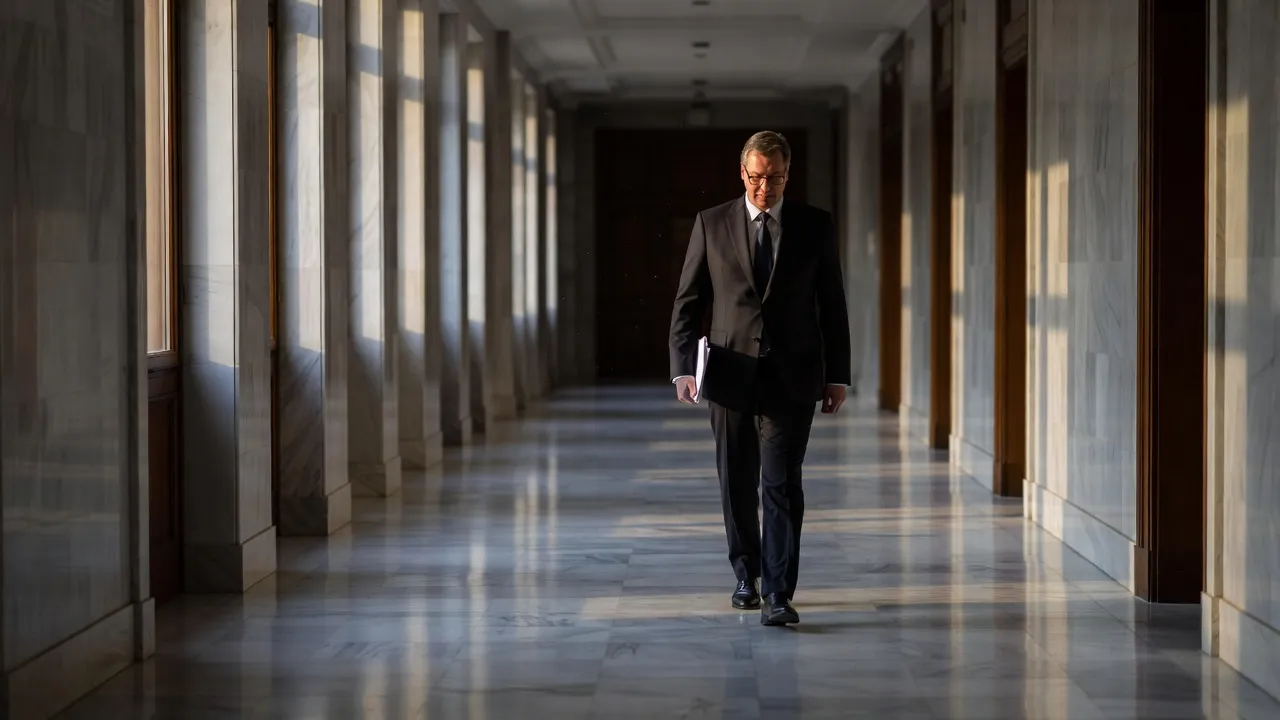
Berlin, September 28, 2026. The German press views Aleksandar Vučić's resignation as a power maneuver rather than a withdrawal. According to Tagesschau, the Serbian president resigned on Sunday, six months before the end of his term, to run as the head of his Progressive Party (SNS) in the early legislative elections on October 25, with the goal of becoming Prime Minister again, a post he previously held between 2014 and 2017. The Constitution prohibited him from serving a third consecutive presidential term; his second term would have ended next year.
ZEIT Online notes that Vučić announced his resignation on state television RTS, stating: "Heute ist der Tag, an dem ich zurücktrete" ("Today is the day I resign"), before addressing his supporters in front of the presidential palace in Belgrade: "Dies ist mein letzter Abend in diesem Gebäude" ("This is my last evening in this building"). The newspaper describes Vučić as a "partly autocratic" politician and recalls that the opposition accuses him and his allies of violence against political opponents, widespread corruption, ties to organized crime, and repression of press freedom — accusations that Vučić rejects.
The interim presidency falls to Ana Brnabić, President of the Parliament and a member of the SNS, former Prime Minister under Vučić. A presidential election must be held within a constitutional deadline of three months; Handelsblatt indicates that the first round could take place before the end of December, according to Vučić himself.
The three newspapers link the resignation to the pressure from the student movement that emerged after the collapse, on November 1, 2024, of the canopy of the Novi Sad train station, which killed 16 people. Handelsblatt mentions "human rights groups" accusing Vučić of an "increasingly authoritarian style of government", which the government rejects. Tagesschau notes that the student movement's list, which denounces government corruption and administrative negligence, could constitute the main competitor to the SNS in the election.
The German press finally emphasizes Serbia's ambiguous international position: a candidate for EU membership, but also maintaining close relations with Russia and China.