
DOMINANT ANGLE
Ottawa is deciphering a highly polarized Brazilian election, where the Lula-Bolsonaro showdown is playing out as much over sovereignty in the face of Donald Trump as over domestic track records.
Dominant angle identified — does not reflect unanimity of this country’s media
KEY POINTS
- 01
Lula (80 years old, seeking a fourth term) and Flávio Bolsonaro (45 years old) are in a statistical tie for a runoff on October 25, according to the National Post.
- 02
Jair Bolsonaro is serving a 27-year prison sentence for attempting a coup after his 2022 defeat.
- 03
Twelve candidates are in the running, voting is mandatory, and nearly 160 million voters use electronic ballots, according to the Globe and Mail.
ANALYSIS
Ottawa, October 4, 2026. For the Canadian press, Brazil votes on Sunday in a "knife-edge" election, according to the National Post, which picks up an AFP dispatch: outgoing President Luiz Inácio Lula da Silva, 80, is running for a fourth term, against right-wing Senator Flávio Bolsonaro, 45, son of former President Jair Bolsonaro.
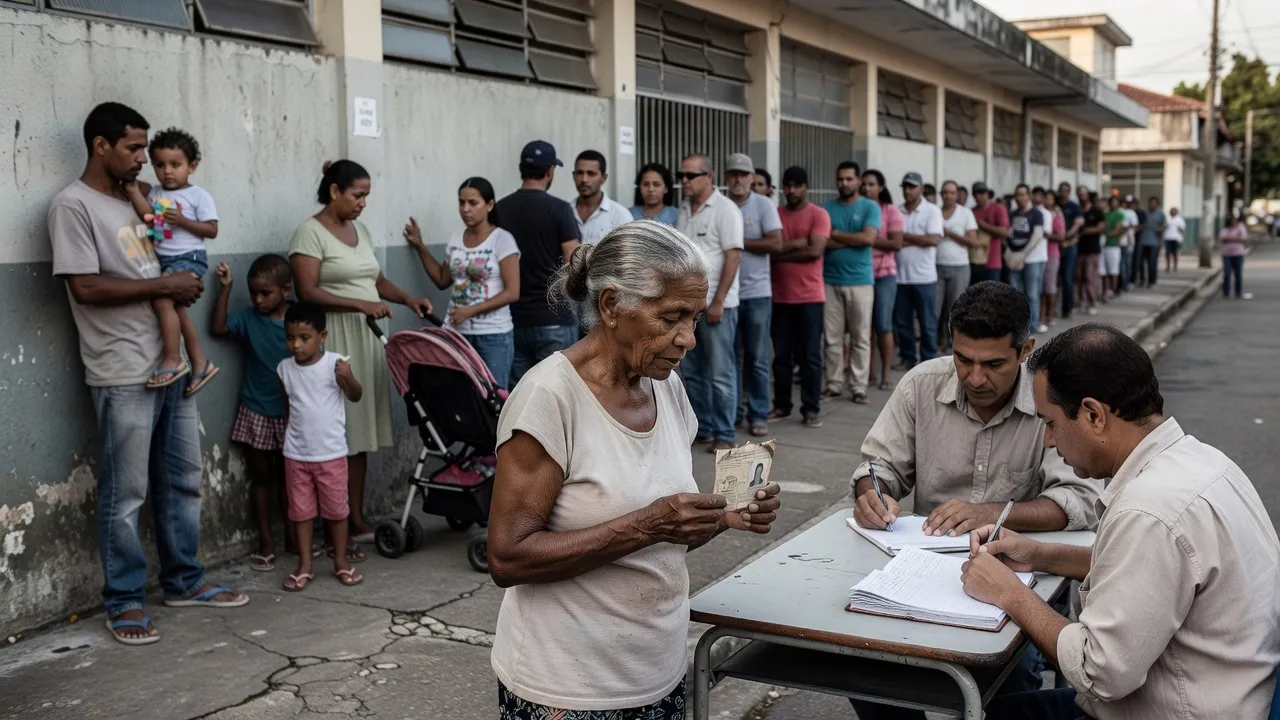
The National Post describes a campaign "marked by scandals and personal attacks". On Saturday, the two men held their last rallies in the key states of São Paulo and Rio de Janeiro. Lula concluded his campaign by repeating that Brazil's sovereignty is at stake in the face of pressure from US President Donald Trump. Supporters in red, caps and "Make Lula President Again" t-shirts, echo this theme: a 44-year-old educator, Adriana Lima, claims that Lula is "the only president who has cared about the people" and refuses to let Trump treat Brazil like a "backyard".
The newspaper recalls that Jair Bolsonaro, a close ally of Trump, is serving a 27-year prison sentence for attempting a coup after his 2022 defeat. According to polls, neither of the two candidates should win on Sunday and they are statistically tied for a second round set for October 25.
The Globe and Mail takes a more educational approach with its "what you need to know" guide to a "very polarized" race. Twelve candidates are running, but only Lula and Flávio Bolsonaro have a real chance of winning. The newspaper emphasizes that Lula is participating in his seventh presidential election, while Bolsonaro, in his first, is trying to bring his name back to power after his father's term from 2019 to 2022.
The two men embody opposing visions, from the fight against organized crime to the relationship that the leading power in Latin America should maintain with the Trump administration. The Globe also details the mechanics of the vote: compulsory voting, a small fine for abstainers without justification, nearly 160 million voters, electronic ballots adopted in the 1990s to combat fraud, and simultaneous choice of governors, deputies, and some senators.
The Canadian reading therefore remains focused on the duel of personalities and the risk of a tight second round, rather than on economic or social programs.