
DOMINANT ANGLE
The United States is deciphering the Brazilian election through Donald Trump: ABC and NPR see it as a referendum on American influence, CNBC as a market bet between Lula and Flávio Bolsonaro.
Dominant angle identified — does not reflect unanimity of this country’s media
KEY POINTS
- 01
Without a majority of more than 50 %, a second round will pit the top two against each other on October 25; nearly 159 million Brazilians are registered (ABC News).
- 02
Lula denounces risks of American intervention after tariffs, the revocation of the visa of the Brazilian ambassador to Washington, and sanctions targeting a Supreme Court judge (ABC News).
- 03
Kalshi gives Bolsonaro a 60 % chance of winning against 39 % for Lula, and Brazil's debt reaches 81.9 % of GDP (CNBC).
ANALYSIS
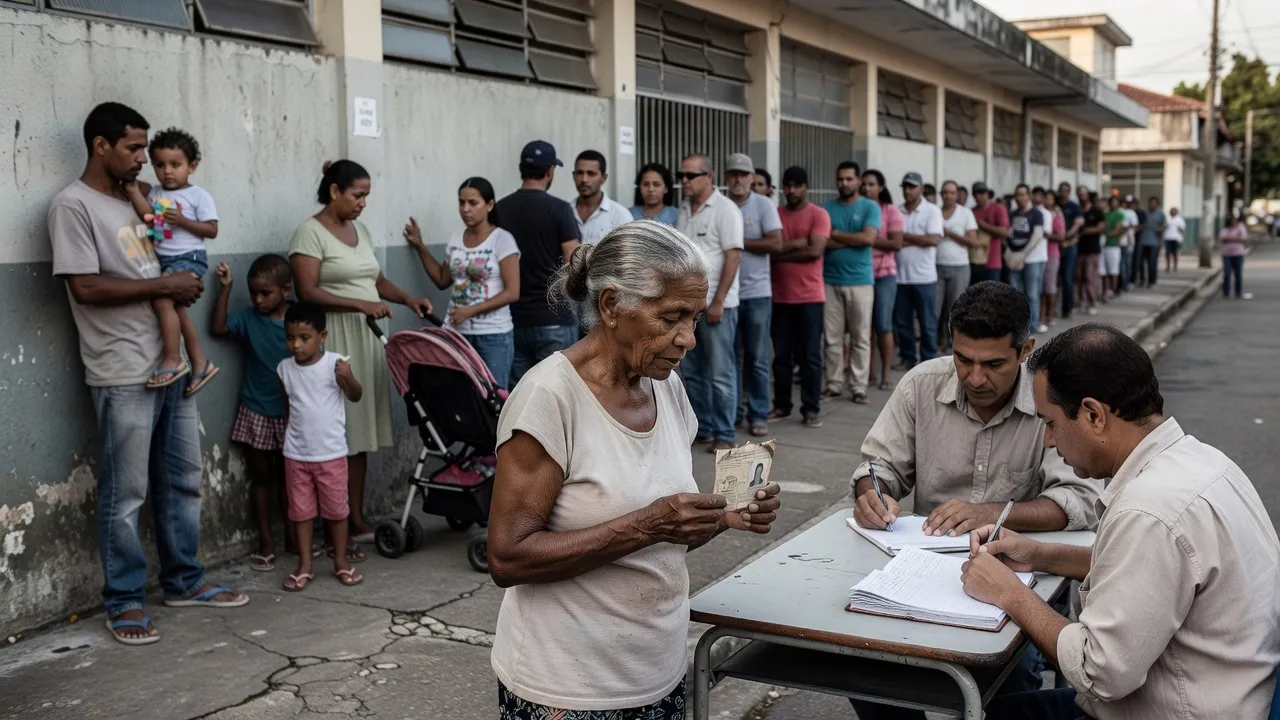
The United States, October 4, 2026. For the American press, the first round of the Brazilian election on Sunday is being played out as much in Brasilia as in the White House. ABC News, via a dispatch, describes a "high-risk" election pitting incumbent President Luiz Inácio Lula da Silva, 80, against Senator Flávio Bolsonaro, 45, son of former far-right President Jair Bolsonaro and ally of Donald Trump. Twelve candidates are in the running, but only these two are considered capable of winning. Without a majority of more than 50%, a second round will take place on October 25. Nearly 159 million voters are registered, and voting is mandatory.
The American prism is explicit. ABC recalls that Flávio Bolsonaro has bet on his ideological alliance with Trump and asserts that Brazil must conclude better agreements with the American administration, including on rare earths, of which the country estimates it holds up to 21 million tonnes. Lula, on the other hand, has criticized Washington and repeatedly mentioned the risks of American intervention, after high tariffs on Brazilian exports, the revocation of the visa of the Brazilian ambassador to Washington, and sanctions targeting a judge of the Supreme Court. The agency also notes that Lula has strengthened ties with Beijing and that Trump's allies are making progress in Argentina, Colombia, and Peru. NPR summarizes the stakes: by voting, some Brazilians are deciding "the influence that Trump should have" in their country, while other voters, the radio says, want neither of the two candidates.
CNBC provides the financial analysis. "The Brazil trade is: does Lula win or does Bolsonaro win?" summarizes Fernando Marengo, of Black Toro Global Investments. Wall Street anticipates a rise in bonds, the real, and stocks in the event of a Bolsonaro victory, who promises more budget discipline. JPMorgan notes that the MSCI Brazil index has gained an average of 0.25% each day that Flávio progresses in the polls. The Kalshi prediction market gives Bolsonaro a 60% chance of winning against 39% for Lula, but these bets are prohibited in Brazil and may not reflect local opinion. Aurora Macro Strategies believes that the balance of power has shifted in favor of Flávio, "but not as far" as the markets are pricing. The debt stands at 81.9% of GDP, up 10% since Lula's arrival, and Citi estimates that an adjustment of 3 to 3.5% of GDP is necessary.
The three articles thus converge on one point: the result will be read in Washington as a test of Trump's influence in Latin America, long before being read as a choice of Brazilian domestic policy.