France — news through its media
Stories followed in this country, with their framing set against the rest of the world.
575 subjects found
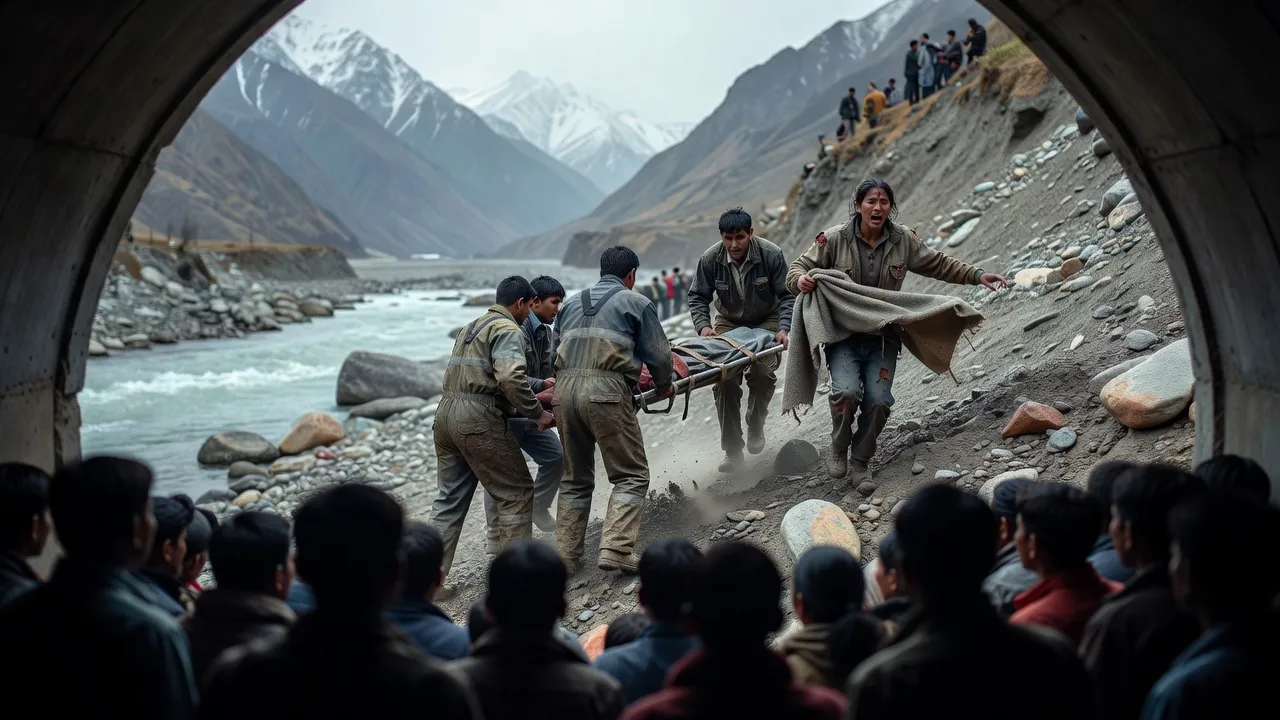
Nepal: two workers pulled alive from a tunnel nine days after the Bhote Koshi flood
Sanjay Sah and Kabir Maharjan were pulled alive on Friday 4 September from the tunnel of the Trishuli-3A hydropower site in Rasuwa, nine days after the Bhote Koshi flood. Searches continue at several Himalayan sites where hundreds of Nepali, Chinese, South Korean and Indian workers are still missing; Nepal's armed police force lost thirteen of its own at Timure.


 +5
+5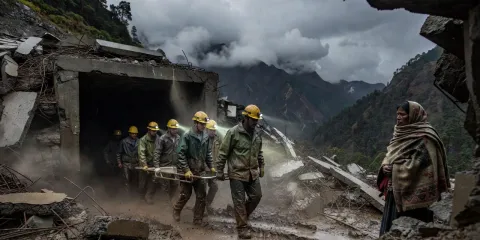
Nepal: 1,204 bodies recovered, over 4,200 missing — the race into the tunnels a week after the flood
A week after the Bhote Koshi flood, Nepal counts 1,204 bodies recovered and more than 4,200 missing. Rescuers are racing to reach survivors trapped in hydropower tunnels, 38 Australians remain unaccounted for, and China has reopened the Tibet road into the disaster zone.

 +11
+11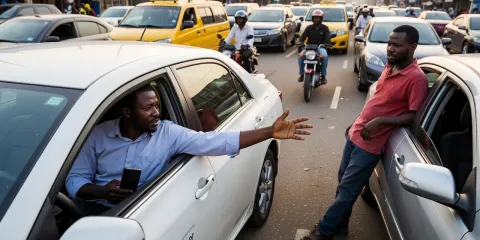
Uber cuts 3,300 jobs and exits Nigeria and Uganda: platforms retreat toward robotaxis
Uber is cutting about 3,300 jobs — nearly 10% of its workforce, its deepest cut since 2020 — and ending operations in Nigeria and Uganda after twelve years. The savings fund its robotaxi pivot, while Bolt says it will stay and Delivery Hero recommends Uber's takeover offer.



 +3
+3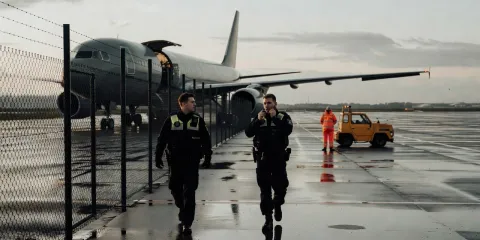
Berlin accuses Moscow of sending an explosive drone to Leipzig airport, and imposes sanctions
On 1 September 2026, German Interior Minister Alexander Dobrindt formally accused Russia of directing an attempted attack at Leipzig/Halle airport. A drone carrying an explosive charge had been found there on 4 August, close to Ukrainian cargo aircraft; its detonator failed. Berlin announced sanctions and summoned the Russian ambassador. Moscow calls the accusations "fabricated".

 +4
+4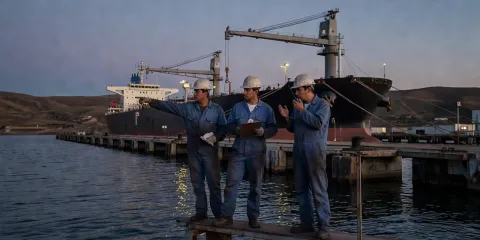
New US strikes near Hormuz: four killed at a wedding, Tehran retaliates into the Gulf
On 1 and 2 September 2026, the United States carried out further strikes against Iran around the Strait of Hormuz, hitting oil tankers among other targets. Several outlets report four people killed at a wedding. Tehran has promised "severe punishment" and struck back at US bases and at Gulf states hosting them. Oil reached a two-month high and Asian markets fell.

 +4
+4
John Ternus takes over from Tim Cook at Apple, as the company races to catch up on AI
On 1 September 2026, John Ternus, 51, took over as chief executive of Apple, ending Tim Cook's fifteen-year tenure, during which the share price rose by roughly 2,300%. A hardware engineer by background, he arrives ahead of a major launch — including a foldable iPhone — and at a time when the company is seen as lagging on artificial intelligence. He opened a Weibo account within hours.
 +3
+3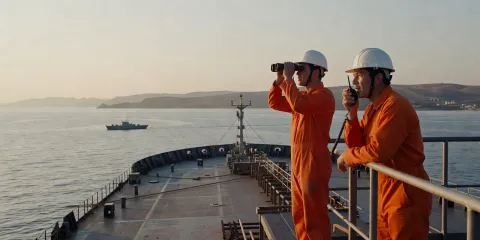
US strikes Hormuz, Iran hits back at Jordan and the Emirates: first exchange of fire in a month
After a month of calm during which Washington had shifted its effort to an economic war, US forces struck missile launchers on an island in the Strait of Hormuz on 31 August 2026. Tehran retaliated against two US bases in Jordan and targets in the United Arab Emirates, which called the attack a dangerous escalation. A tanker was hit by three projectiles in the strait's southern lane and a Saudi supertanker was intercepted. Brent rose to around 91 dollars.

 +10
+10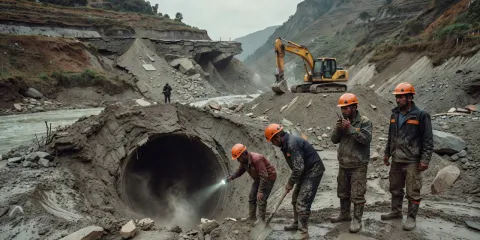
Nepal: 987 bodies recovered in Rasuwa, nearly 900 missing at eleven hydropower sites
A week after the flood triggered by a glacial collapse on the China-Nepal border, Kathmandu announced on 1 September 2026 that 987 bodies had been recovered in Rasuwa district and more than 12,000 people rescued. Nearly 900 remain missing at eleven hydropower sites, including workers trapped in buried tunnels. Prime Minister Balendra Shah attributes the flood to climate change and is seeking help from the Loss and Damage Fund. Death tolls differ, including between Nepali sources.
 +10
+10
In Bishkek, the SCO marks 25 years by casting itself as an alternative order to the West
The 25th summit of the Shanghai Cooperation Organisation was held in Bishkek on 31 August and 1 September 2026, bringing together Xi Jinping, Vladimir Putin, Narendra Modi and Masoud Pezeshkian. Xi and the Kyrgyz president signed a treaty of permanent good-neighbourliness; Putin proposed China-Russia cooperation on artificial intelligence; Modi publicly called for an end to the war in Ukraine. Pakistan takes over the chairmanship for 2026-2027.
+3
An ammunition depot hit near Kyiv: the deadliest strike of the year in Ukraine
On the night of Friday 28 to Saturday 29 August 2026, a Russian drone hit a warehouse in Myla, west of Kyiv, where Ukrainian authorities say ammunition for their army was stored. The blast spread fire to dozens of homes. The toll was revised from 37 to 38 dead on Sunday, with four people still missing; two of the seven countries covering the episode still report 37. Kyiv points to negligence in siting the depot, Moscow to a legitimate military target.
+3
Google Maps applies the order: Lake Ontario becomes "Lake America" for US users
Google Maps now shows "Lake America" instead of "Lake Ontario" for users located in the United States, applying the order Donald Trump signed on 28 August 2026. The lake is shared with Canada and borders the province of Ontario. Ontario premier Doug Ford put up a giant sign on the Canadian shore; some Canadian users say they see the new name anyway, although Google says the change is limited to the United States. Seven countries cover the episode.
 +3
+3Understand global stakes from every perspective.
725 subjects · 75 countries · 8262 perspectives