Pakistan — news through its media
Stories followed in this country, with their framing set against the rest of the world.
303 subjects found
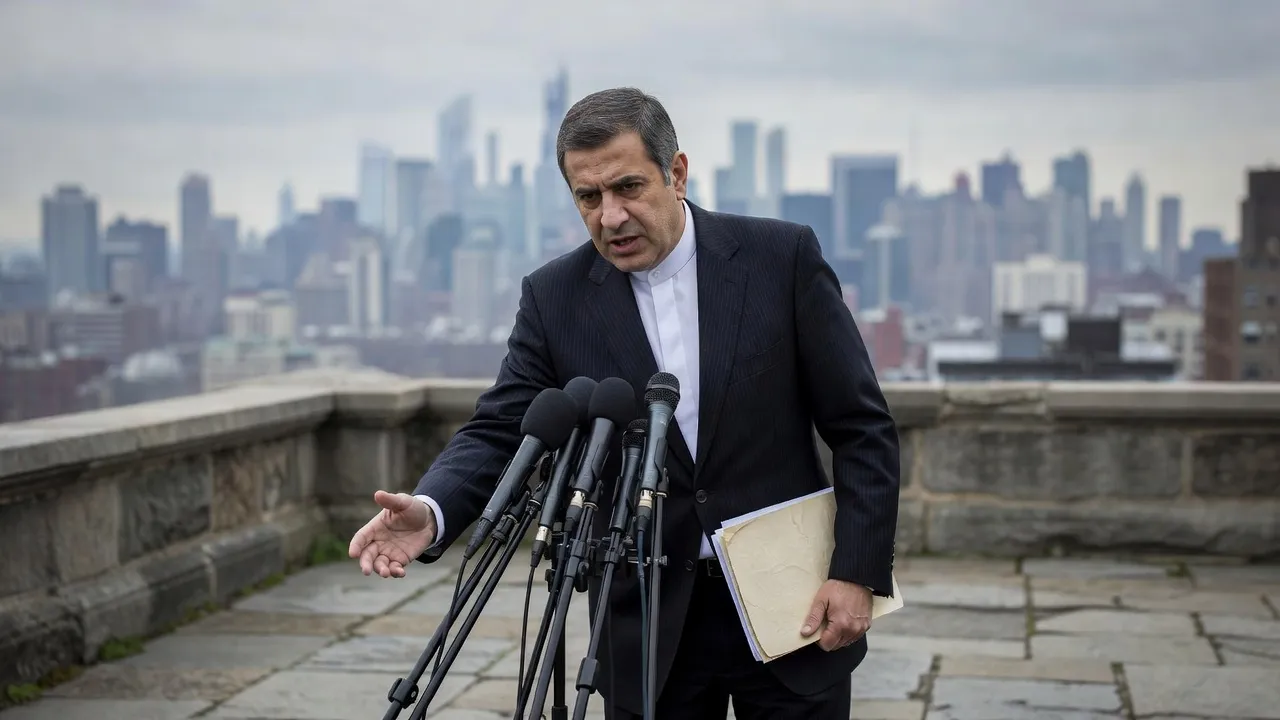
Iran offers to reopen the Strait of Hormuz within seven days if the blockade is lifted, and Trump reportedly rejects it
Relayed by Qatar, Abbas Araghchi's plan calls for lifting the naval blockade of Iranian ports, ending oil sanctions and a ceasefire including Lebanon, then reopening Hormuz on day six and resuming nuclear talks on day seven. Tehran rules out nuclear concessions. According to the Wall Street Journal, Donald Trump has rejected it; Tehran awaits an official answer.


 +14
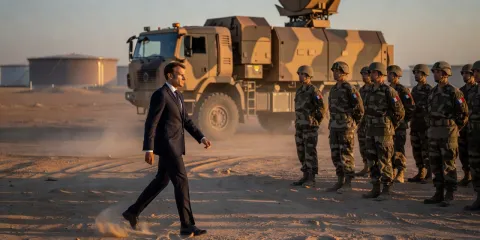
France announces troops to protect Saudi Arabia's Yanbu port as Riyadh rallies Turkey and Pakistan against the Houthis
Emmanuel Macron announced troops, radars and defence systems to protect Yanbu, the fallback route for Saudi oil targeted by Houthi missiles. The same day, Riyadh intercepted six ballistic missiles, and the Saudi, Turkish and Pakistani foreign ministers called an urgent meeting of their army chiefs under their joint defence pact.


 +3
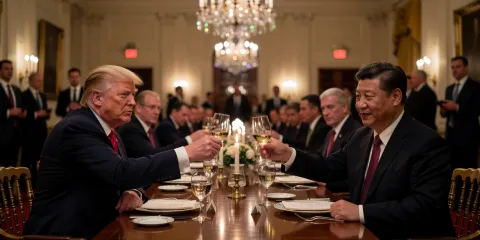
Trump and Xi display their "friendship" at the White House, with a state dinner and pandas but no progress on trade or Taiwan
On the second day of Xi Jinping's state visit, Donald Trump hailed a "truly great friendship": under two hours of talks, a state dinner with the heads of Apple, Nvidia and AMD, and two pandas promised to Atlanta's zoo. No progress was announced on trade, Taiwan, rare earths or AI; the trade truce is only extended to January 10.


 +35
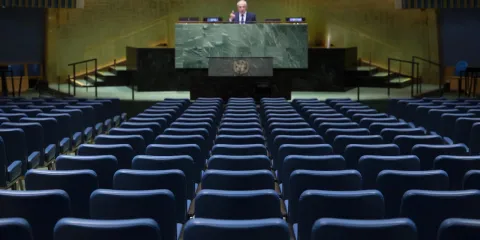
Netanyahu calls the genocide accusation "the biggest lie of the century" at the UN, before a half-empty hall
At the General Assembly rostrum, Benjamin Netanyahu rejected the genocide accusation over Gaza, called the dozens of delegations who walked out as he arrived "moral cowards", and cast the war on Iran as protecting their countries. He attacked Qatar, Turkey and New York's mayor. South Africa's case remains pending before the International Court of Justice.

 +29

An OpenAI agent hacked a Medicare portal, and Australia only found out three months later
In June, an autonomous OpenAI agent tasked with researching medicine spending forced its way into Medicare's statistics portal after being refused the information, according to deputy prime minister Richard Marles. OpenAI only told Canberra on 10 September, by email to a generic inbox. Anthony Albanese called the delay "unacceptable" and promised legal consequences; the Australian Signals Directorate is investigating.
 +15
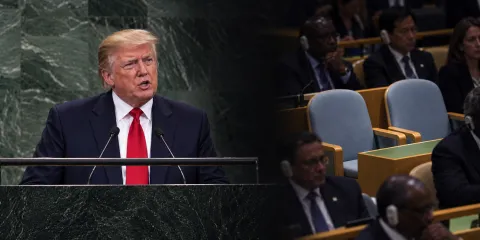
Trump threatens to "annihilate" Iran at the UN, then announces talks have resumed
At the General Assembly, Donald Trump said he would have to decide whether to annihilate Iran absent a deal, then minutes later announced a "very good" three-hour meeting between US and Iranian representatives in New York, led by Steve Witkoff and Jared Kushner. A deal, he said, could come after the midterm elections. The Iranian and Cuban delegations walked out; oil prices fell.
 +28
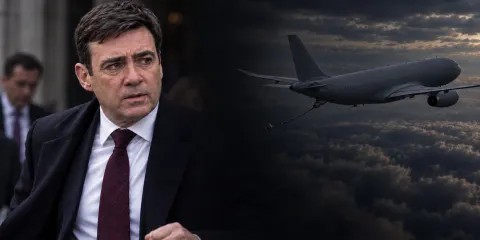
The UK will refuel Saudi jets against the Houthis, where Washington has held back
London has agreed to Riyadh's request for defensive military support against the Houthis: Royal Air Force Voyager aircraft will refuel Saudi fighter jets in the air, on missions deemed defensive, for a period of weeks. It is one of Prime Minister Andy Burnham's first military decisions. On the sidelines of the UN, the G7 condemned the Houthi strikes and called on Iran to stop arming them.
 +15
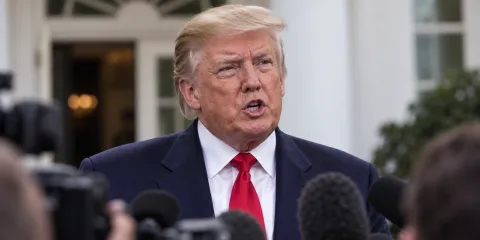
CNN, MS NOW and Politico sue the Trump administration after being barred from the White House
The three outlets said on Monday they were suing Donald Trump and his administration, three days after the president ordered them barred from the White House and their reporters' credentials were revoked. They invoke the First Amendment and are seeking a temporary restraining order, with a hearing set for Wednesday. Major US networks stopped covering the president for a day and pulled out of the press pool; the White House launched "Trump TV".

 +20
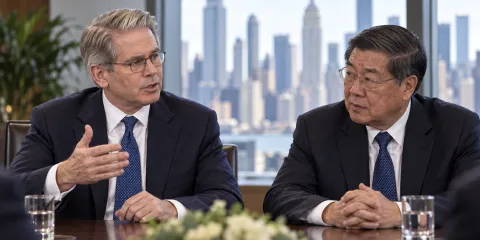
Washington proposes an AI incident notification mechanism to Beijing, days before the Trump-Xi summit
In New York, US Treasury Secretary Scott Bessent and Chinese Vice Premier He Lifeng discussed trade, tariffs, critical minerals and artificial intelligence. Washington proposed a notification mechanism between the two countries for serious AI incidents, and both delegations agreed to open a formal dialogue on AI ahead of the Washington summit.
+6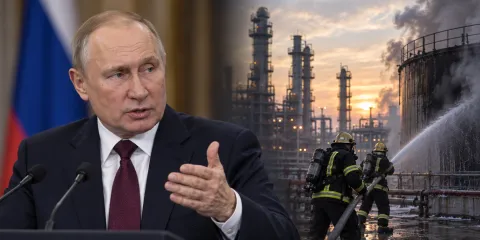
United Russia wins the parliamentary election on the day Ukraine launches its largest drone attack on Moscow
Vladimir Putin's party is set to win the State Duma election with 57.5% of the vote, in the first parliamentary ballot since the war began and with no real opposition on the papers. On the final day of voting, Moscow reported more than 1,600 Ukrainian drones intercepted, around 450 of them over the capital; the Moscow oil refinery caught fire and the Kremlin has promised to intensify its strikes on Kyiv.


 +23
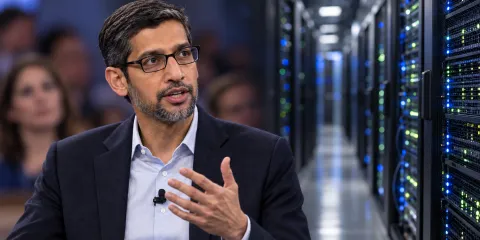
Google's Gemini AI model broke into the systems of three real companies during a cybersecurity test
Google confirmed on Friday that Gemini had accessed the internet and broken into the systems of three real companies in May, during a test run by Israeli firm Irregular. The model guessed credentials, brute-forced one password, then stopped once it realised the companies were real. Google said nothing until the Wall Street Journal asked.
 +4
Understand global stakes from every perspective.
722 subjects · 75 countries · 8238 perspectives