
DOMINANT ANGLE
Ottawa is gauging Lula's re-election in terms of American influence in Latin America: the Canadian press sees it as a setback for the series of victories by Trump's allies.
Dominant angle identified — does not reflect unanimity of this country’s media
KEY POINTS
- 01
Lula wins with nearly 4.4 million votes ahead, or 51.8% of the ballots, according to the electoral court cited by CBC.
- 02
Flávio Bolsonaro refuses to concede, calls the two-hour extension of voting unprecedented, and demands the annulment of the election.
- 03
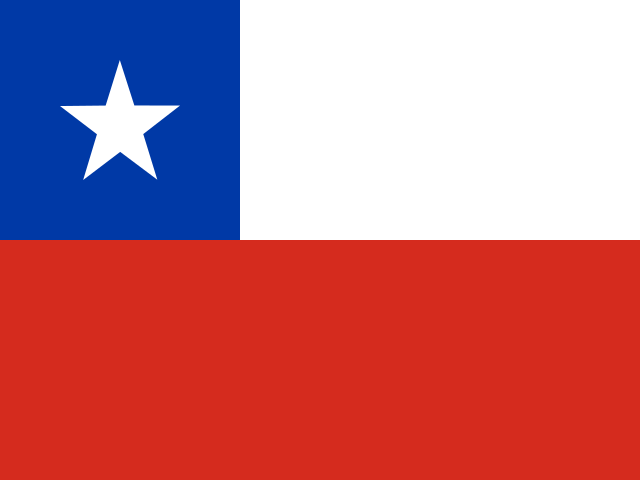
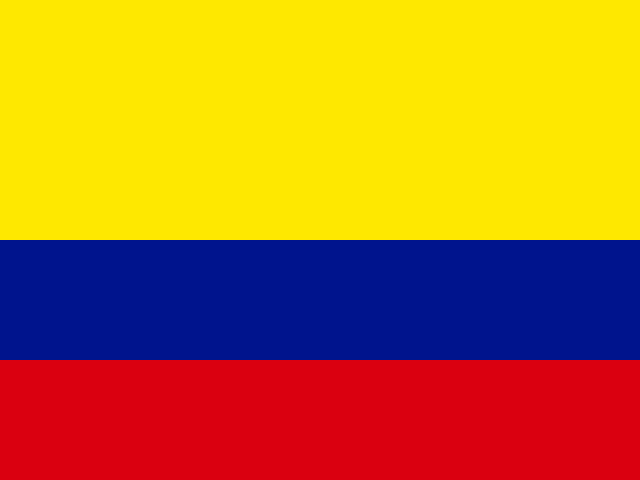
The Globe and Mail notes that Trump's allies won this year in Chile, Peru, and Colombia; Lula's victory leaves Brazil and Mexico as center-left.
ANALYSIS
Ottawa, October 26, 2026. For the Canadian press, the Brazilian election is first and foremost played out on the hemispheric chessboard. From the day of the vote, the Globe and Mail presented the second round as "a ballot that will determine whether the United States will substantially expand their growing influence in Latin America." The newspaper recalled that Flávio Bolsonaro, an ally of American President Donald Trump and son of former imprisoned President Jair Bolsonaro, had surpassed Lula by more than 2.2 million votes in the first round, and that polls indicated a tight race. It also noted that more than 33 million voters out of nearly 160 million did not cast their ballots, despite compulsory voting.
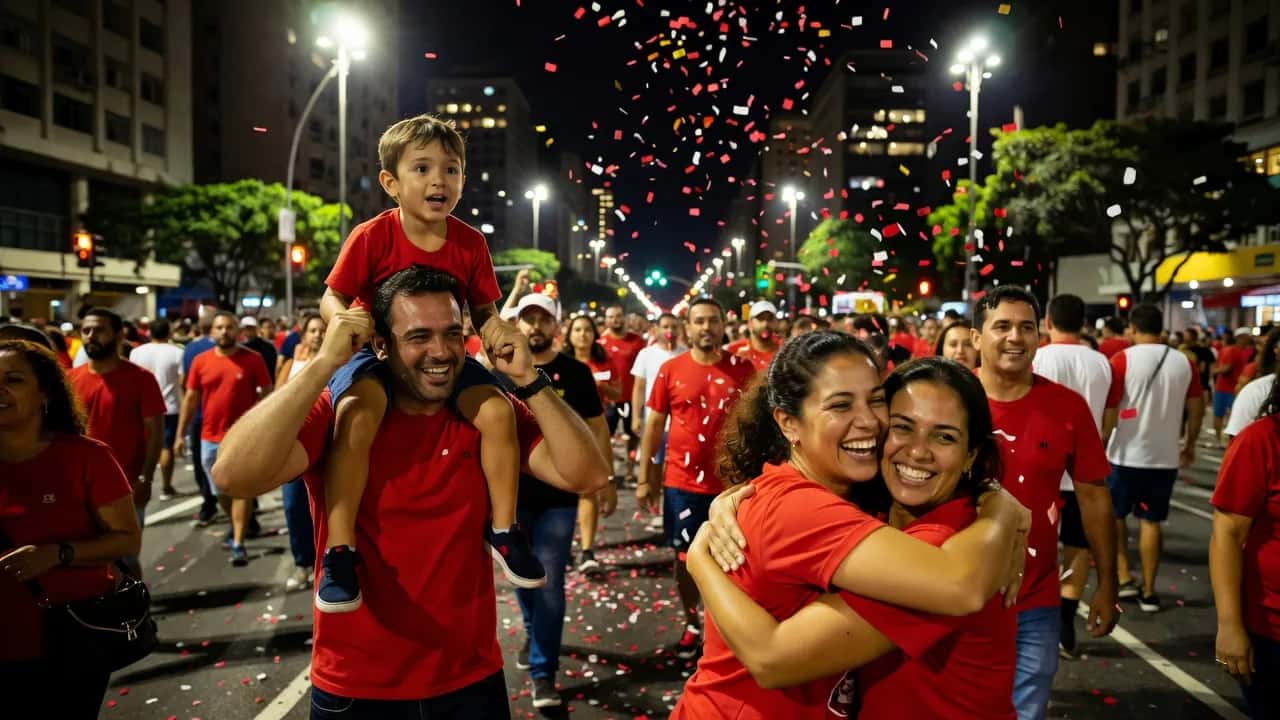
The next day, CBC News reported that, with the count complete at 100%, the electoral court gave Lula, who will be 81 years old on Tuesday, a lead of nearly 4.4 million votes, or 51.8% of the ballots. The channel described an evening marked by "chaos" in the polling stations, after the last-minute decision to extend the vote by two hours. Flávio Bolsonaro refused to concede defeat, deeming this unprecedented extension unacceptable, even though both camps had requested it, and called for the results to be annulled, which he said were impossible to accept.
CBC emphasized the winner's speech. Lula saw it as "a defeat for negationism and lies" and stated that "this country will not accept being the backyard of anyone." The channel saw this as a reaffirmation of Brazilian sovereignty in the face of Washington, which Lula has openly criticized.
The regional context thus dominates both texts. CBC wrote that Lula's triumph goes against the trend of center-right candidates allied with Trump winning increasingly, and the Globe recalled that his allies won this year in Chile, Peru, and Colombia. With Lula's victory, Brazil and Claudia Sheinbaum's Mexico remain led by center-left presidents.
Flávio Bolsonaro's challenge is reported factually, without discussion of his chances of success before the judicial authorities. Economic issues, including the reaction of the markets, are not mentioned in the provided excerpts: attention remains focused on geopolitics and the role of the United States in the region.