
DOMINANT ANGLE
Dakar sees Lula's re-election as a Brazil that resists the Latin American right-wing wave supported by Donald Trump, more than a domestic policy issue.
Dominant angle identified — does not reflect unanimity of this country’s media
KEY POINTS
- 01
Lula is reelected with 51.76% of the vote against 48.24% for Flávio Bolsonaro, according to the electoral court.
- 02
The voting was extended by two hours on the decision of a Supreme Court judge after an appeal from Lula's team.
- 03
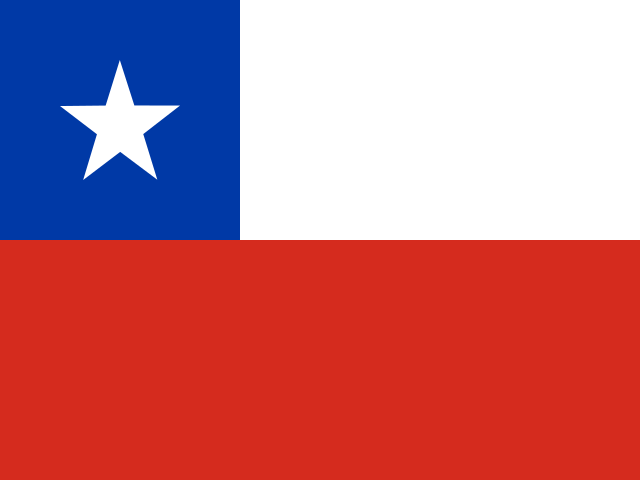
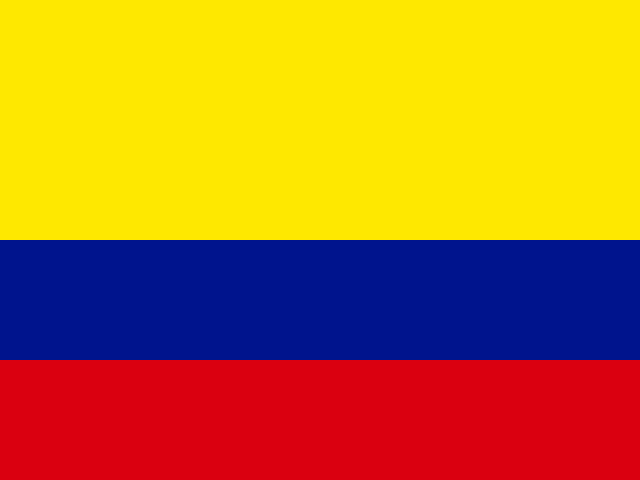
Brazil did not shift to the right like Argentina, Chile, or Colombia, backed by Donald Trump.
ANALYSIS
Dakar, October 26, 2026. The Senegalese press reports on the re-election of Luiz Inácio Lula da Silva as a continental event as much as a Brazilian one. Dakaractu announces that the outgoing president, "who will soon be 81 years old", was re-elected on Sunday for an unprecedented fourth term against the conservative Flávio Bolsonaro, in the largest country in Latin America. According to the electoral court, the left-wing leader obtained 51.76% of the votes after a nearly complete count, against 48.24% for the son of former President Jair Bolsonaro.
PressAfrik emphasizes the regional scope of the result. Brazil, the site writes, "has finally not turned to the right like Argentina, Chile, or Colombia, all supported by American President Donald Trump" and remains "one of the few progressive strongholds in Latin America". Some 160 million voters were called to the polls to decide whether the country remained on the left or joined the right-wing wave encouraged by Washington. The text notes that Lula has defied predictions: after coming in second in the first round with 45% against 47% for Flávio Bolsonaro, he reversed the trend in the second round.
The account also retains the posture of the winner. Lula, PressAfrik writes, has positioned himself as a defender of democracy and a bulwark against the United States and their commercial and diplomatic pressures. No other democratically elected president has led the country for so long, and Lula, at nearly 81 years old, was leading, according to the site, his last battle.
The election day is described as disrupted by a controversy. Following a decision by a Supreme Court judge, the vote was extended by two hours after an appeal by Lula's team. Denouncing "an abominable thing", the outgoing president claimed that voters had been "prevented from voting": according to him, buses were taken out of circulation in São Paulo, led by a right-wing mayor, and in Salvador de Bahia, in his stronghold in the Northeast. PressAfrik notes that the campaign has shown how divided the country remains.
The two articles, reproducing agency dispatches, adopt a factual tone and prioritize the numerical result, the historical dimension of the fourth term, and Brazil's positioning between the Latin American left and Washington's influence. The mention of Jair Bolsonaro's conviction for attempting a coup is included in the context, without development on the judicial or economic follow-up.
SOURCES (2)
- DakaractuMEDIUM
- PressAfrikMEDIUM