
DOMINANT ANGLE
Jerusalem is measuring Lula's re-election in light of the Gaza war: the return of a virulent critic of Israel, and the defeat of a Netanyahu ally, weigh more than Brazil's electoral dispute.
Dominant angle identified — does not reflect unanimity of this country’s media
KEY POINTS
- 01
Lula, 80, wins an unprecedented fourth term, according to the Brazilian electoral court cited by the Jerusalem Post.
- 02
Haaretz recalls that Lula, once a staunch supporter of Israel, has become a fierce critic of the Israeli government and the war in Gaza.
- 03
Flávio Bolsonaro refuses to acknowledge his defeat, wants to have the second round annulled, and deems unacceptable the two-hour voting extension decided by Judge Cristiano Zanin.
ANALYSIS
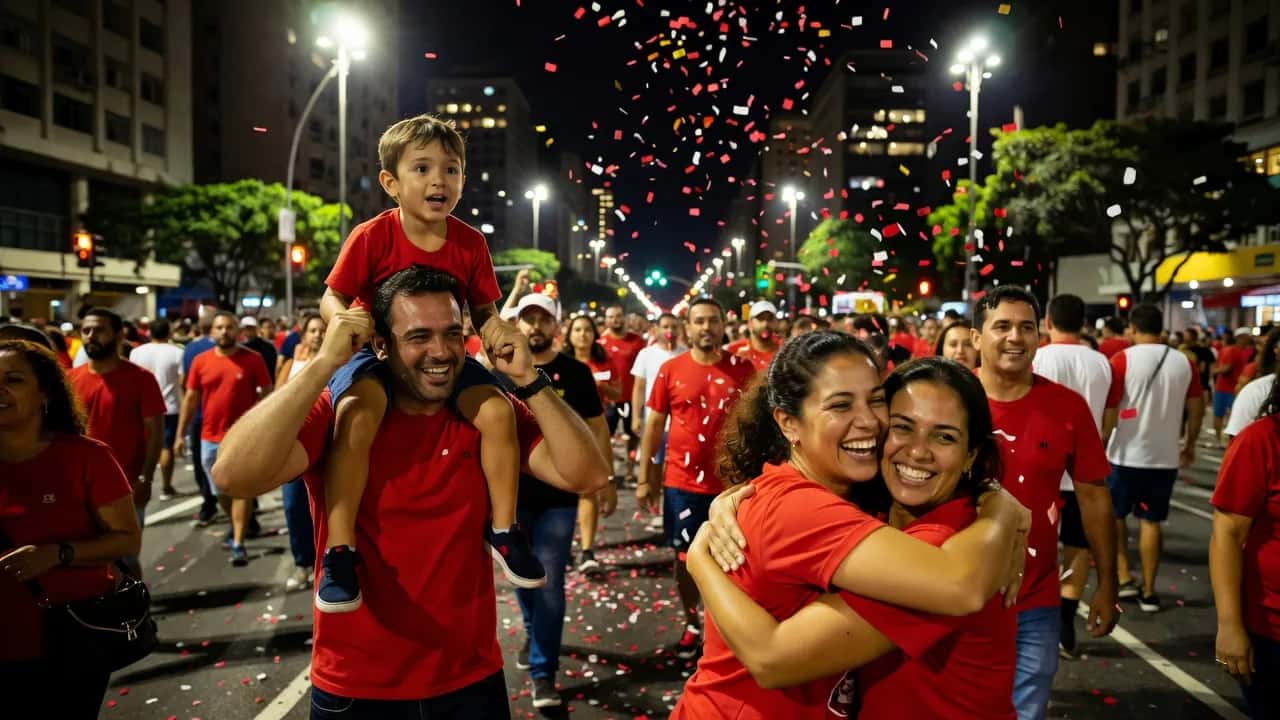
Jérusalem, October 26, 2026. For the Israeli press, the re-election of Luiz Inácio Lula da Silva on Sunday, October 25, is first and foremost seen through the prism of the relationship with Israel. Haaretz headlines Lula's victory, which beats "Netanyahu Ally Bolsonaro", and recalls that the Brazilian president, "once a staunch supporter of Israel", has become "a vocal critic of the Israeli government and the war in Gaza". The newspaper notes that this 80-year-old man, who has strongly criticized the war waged by Israel in Gaza, has countered a regional trend of right-wing victories in Latin America.
The Jerusalem Post, which picks up the Reuters account, emphasizes the extent of the surprise: according to the electoral court, Lula obtains an unprecedented fourth term, in a result that "defied polls, precedent and global anti-incumbent sentiment". The text recalls that Senator Flávio Bolsonaro, the eldest son of former President Jair Bolsonaro, had come out on top in the first round and hoped to revive his father's far-right movement. Lula, a former metalworker and unionist, had been imprisoned from 2018 to 2019 for corruption, convictions that were later overturned, which allowed him to beat Jair Bolsonaro in 2022.
The newspaper details the mechanisms of the election. Voters had grown tired of Lula and the Workers' Party after corruption scandals and rising prices, and the president seemed disconnected from an increasingly digital economy. Pollsters attribute the victory to higher-than-expected participation. For Leonardo Barreto, from the Think Policy firm, voters chose "a known path, which guarantees certain rights" rather than change. Left-wing MP Erika Hilton, who was present with Lula in São Paulo, describes him as "a statesman, a giant".
The Jerusalem Post devotes a separate brief to Flávio Bolsonaro's refusal to acknowledge his defeat. The senator announced that he would request the annulment of the second round and deemed "unacceptable" the decision of Supreme Court Judge Cristiano Zanin to extend voting by two hours. The text, published as a developing story, does not detail the appeal or its chances of success.
Neither newspaper comments at this stage on potential concrete consequences for bilateral relations between Brasília and Jérusalem, nor the reaction of the Israeli government. The framing remains that of an electoral result seen through its effect on Brazil's alignment, between the right close to Netanyahu and a president hostile to the conduct of the war in Gaza.