DOMINANT ANGLE
Montevideo takes from Lula's re-election a regional reading: Brazil remains a progressive bastion in the face of the right-wing wave supported by Trump, and the Uruguayan political class is looking for lessons there for its own chessboard.
Dominant angle identified — does not reflect unanimity of this country’s media
KEY POINTS
- 01
Lula wins with 51.76% against 48.24% for Flávio Bolsonaro, at 99.78% of polling stations counted (Subrayado, AFP dispatch).
- 02
Judge Cristiano Zanin ordered the closure of polling stations at 7 pm instead of 5 pm in those still open (El Observador).
- 03
Yamandú Orsi congratulated Lula by phone, calling him a "friend"; Senator Sebastián da Silva sees this as a lesson (El Observador, La Diaria).
ANALYSIS
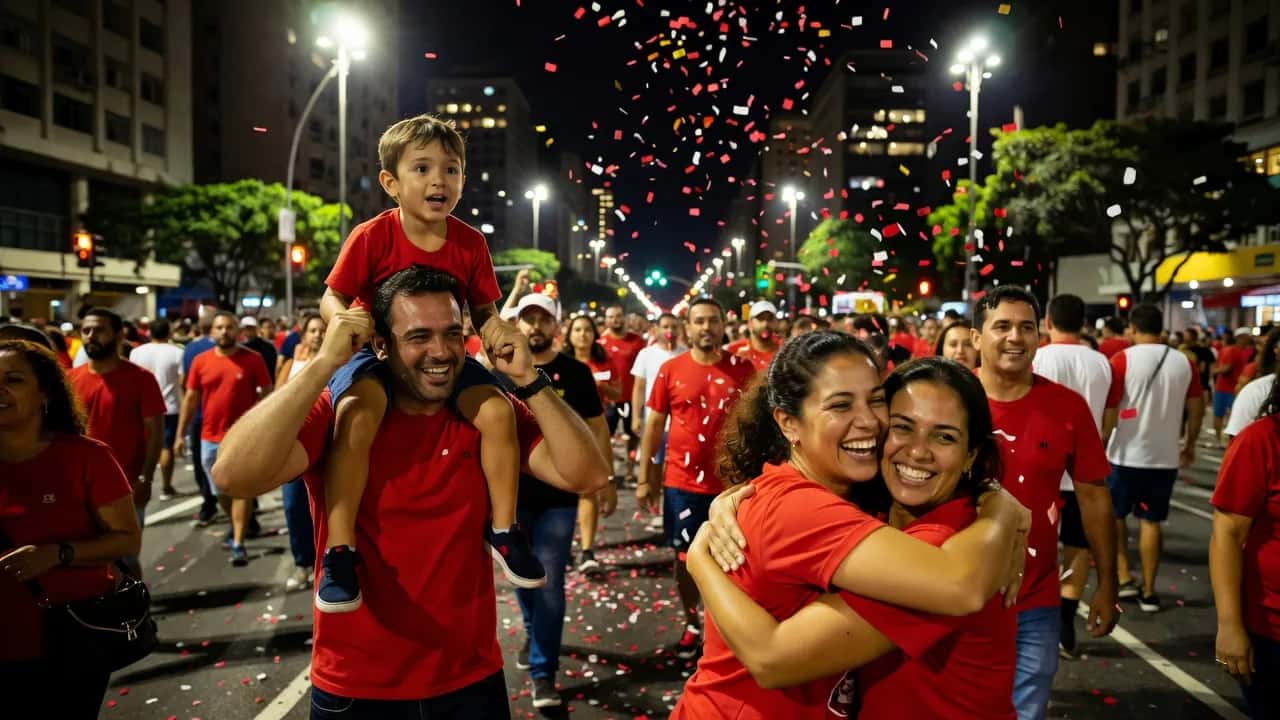
Montevideo, October 26, 2026. Uruguayan media are covering the Brazilian runoff as a regional election. Subrayado, quoting an AFP dispatch, reports that Luiz Inácio Lula da Silva, nearly 81 years old, was reelected on Sunday, October 25, for an unprecedented fourth term, with 51.76% of the vote against 48.24% for Flávio Bolsonaro, at 99.78% of the polling stations counted. The newspaper emphasizes that "none of the main polls" had predicted this success: Datafolha gave 51% to the conservative senator and 49% to the president.
The election day is widely covered. El Observador reports that a Supreme Court judge, Cristiano Zanin, ordered the polling stations to close at 7 pm instead of 5 pm in those that had not yet closed, which caused local confusion. The same article indicates that Bolsonaro's team had also requested a two-hour extension in certain municipalities of Minas Gerais and Rio Grande do Sul due to "heavy rains". Lula denounced those who had tried to prevent people from voting; reductions in bus fleets in São Paulo and Salvador are mentioned.
The dominant framing is geopolitical. Subrayado writes that, with this result, Brazil is moving away from the right-wing turn taken by Argentina, Chile, or Colombia, supported by Donald Trump, and remains one of the few progressive strongholds. Lula himself had opposed, on the day of the vote, those who defend the national flag and those who want to govern with that of the United States. In his victory speech, he said that Brazilians had voted to "guarantee democracy" and promised to regulate digital platforms.
The dispatches then turn to the challenges: a divided country, a Congress dominated by the right, where Bolsonaro's Liberal Party has 121 deputies out of 513 and 28 senators out of 81, and public accounts in the red. Economist Mauro Rochlin summarizes: "the fiscal problem, the fiscal problem, and the fiscal problem". Lula will take office on January 5, 2027.
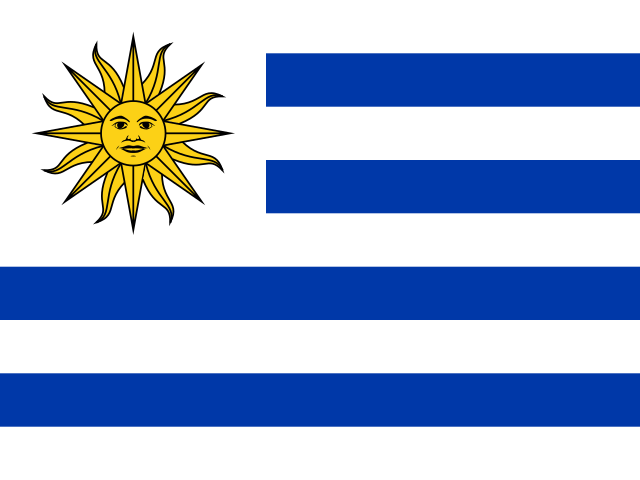
The national aspect is very present. President Yamandú Orsi called Lula, "a friend", to congratulate him on "the democratic celebration". La Diaria collects the reactions of the opposition: nationalist senator Sebastián da Silva, who was in Brazil, sees "a lesson for us in Uruguay", since everyone is announcing a victory for Luis Lacalle Pou, and an invitation to "get ready".
SOURCES (3)
- SubrayadoMEDIUM
- La DiariaMEDIUM
- El ObservadorMEDIUM