
DOMINANT ANGLE
Pretoria has taken note of a spectacular comeback of the left from Brasília: the South African press, quoting Reuters dispatches, presents Lula's victory as a halt to the wave of right-wing victories in Latin America, and the challenge by Flávio Bolsonaro as unlikely to succeed.
Dominant angle identified — does not reflect unanimity of this country’s media
KEY POINTS
- 01
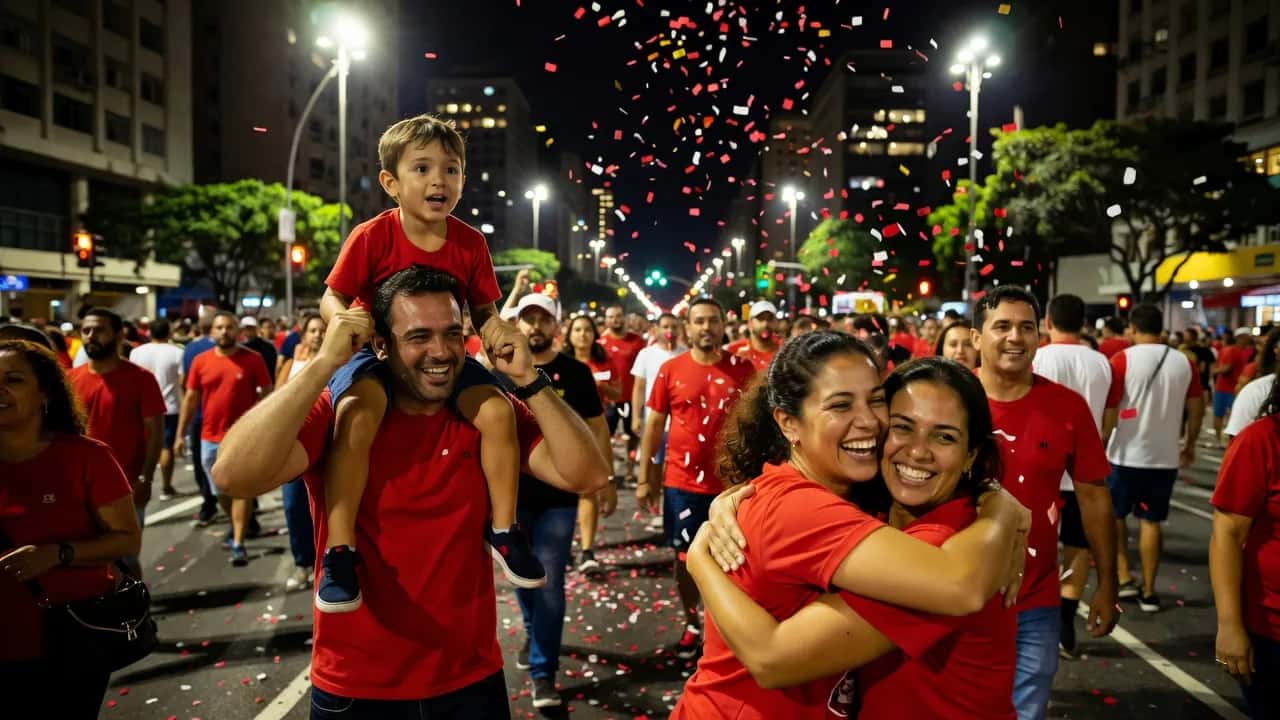
Lula wins a historic fourth term, beating Senator Flávio Bolsonaro by more than 4 million votes according to the electoral court.
- 02
Flávio Bolsonaro wants to request the annulment of the election due to a Supreme Court decision extending voting by two hours; his camp had also requested an extension because of rain in the south.
- 03
Mario Braga (Rane) considers it "very unlikely" that potential right-wing protests will overturn the result.
ANALYSIS
Pretoria, October 26, 2026. South Africa's major headlines, SABC News, Business Day, TimesLIVE, and Daily Maverick, published the same agency dispatch on Monday, October 26: "Lula wins fourth term in dramatic comeback". Brazilian President Luiz Inácio Lula da Silva won a historic fourth term on Sunday, October 25, according to the electoral court, in a "shocking result that defied polls, precedents, and the global anti-incumbent sentiment".
The narrative emphasizes the regional scope of the election. This victory, the media writes, "slows a wave of right-wing electoral victories across Latin America". Lula is described as "an icon of the global left" and the dominant force in Brazilian politics this century. The articles recall that at 80 years old, he was imprisoned from 2018 to 2019 for corruption charges that were later annulled, before defeating Jair Bolsonaro in 2022. Left-wing MP Erika Hilton, who was with him in São Paulo during the vote count, describes him as "a statesman, a giant".
The texts also detail the president's difficult path: voters tired of corruption scandals and rising prices, and a former metallurgist judged to be out of touch with a platform economy and informal workers. Pollsters attribute his victory to higher-than-expected turnout. According to Leonardo Barreto, from the Think Policy firm, voters chose between "change, with some apprehension, and a known path, which guarantees certain rights". Lula had highlighted the reduction of poverty and inequality during his third term and accused his opponent of wanting to surrender Brazil's sovereignty to US President Donald Trump.
On the contestation, the South African press remains factual. Flávio Bolsonaro, who came first in the first round but was beaten by more than 4 million votes, says he wants to request the annulment of the election due to the Supreme Court's decision on Sunday to extend voting by two hours. His refusal to acknowledge defeat "resembles his father's reaction in 2022", who was later sentenced to 27 years in prison for plotting to stay in power.
The cited analysts consider the annulment unlikely: the margin is more than twice that of his father, and his own camp had requested an extension due to rains in the south. Mario Braga, from the Rane risk consulting firm, does not rule out right-wing protests in the coming days, but judges it "very unlikely" that they will lead to the reversal of the result.