
DOMINANT ANGLE
Caracas hails Lula's re-election as a progressive bulwark against the regional right-wing shift backed by Donald Trump, and ties it to its own neighborhood ties with Brasília.
Dominant angle identified — does not reflect unanimity of this country’s media
KEY POINTS
- 01
Lula wins with 51.75% (64,060,863 votes) against 48.25% (59,720,297) for Flávio Bolsonaro, according to the TSE cited by Contrapunto VE.
- 02
The Chancellerie of Félix Plasencia congratulated Lula: "El pueblo de Brasil ha dado una contundente muestra de participación cívica y democrática".
- 03
This is the first time since the end of the dictatorship (1964-1985) that a candidate who came in second in the first round wins the second, notes Últimas Noticias.
ANALYSIS
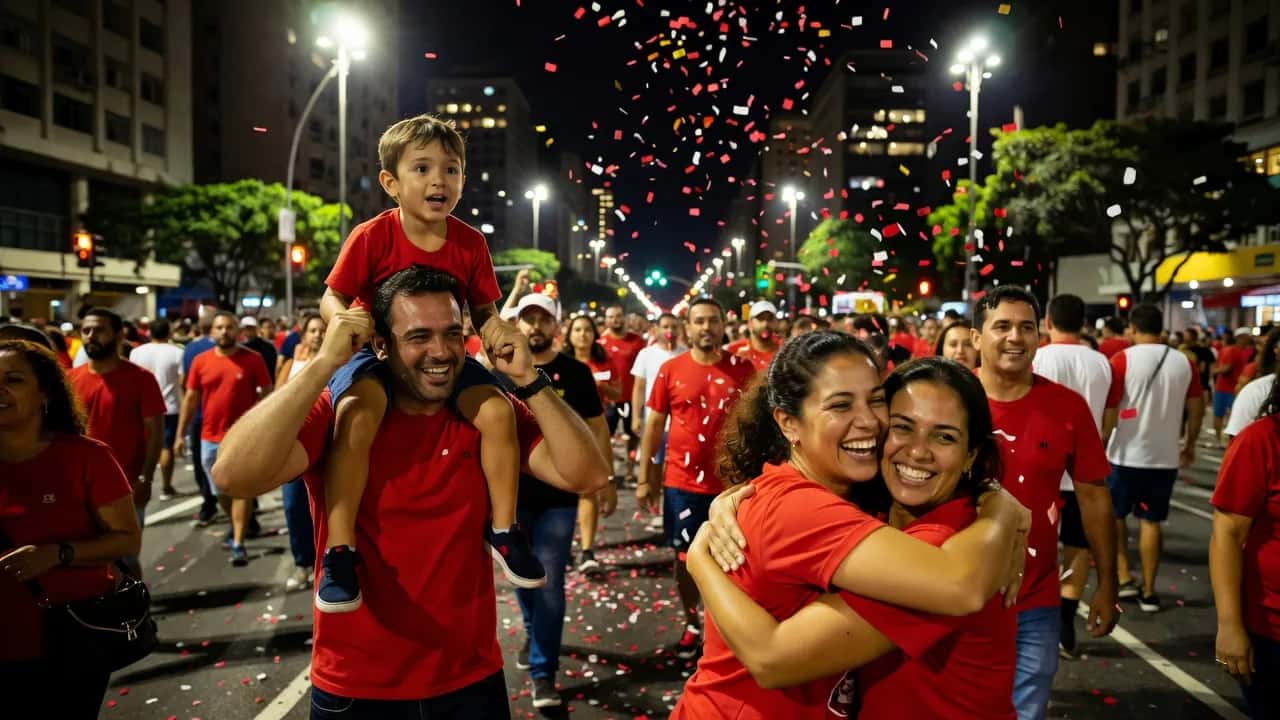
Caracas, October 26, 2026. Venezuelan media are portraying the second round of the Brazilian election on Sunday, October 25, as a regional victory. El Nacional, quoting AFP, writes that with this triumph, "Brasil se desvía del giro a la derecha" taken by Argentina, Chile, or Colombia, "respaldados por el presidente estadounidense Donald Trump", and that the country remains one of the few progressive bastions on the continent.
The figures are reported with precision. According to Contrapunto, which cites the Tribunal superior electoral, Lula obtains 51.75% (64,060,863 votes) against 48.25% (59,720,297) for Flávio Bolsonaro, with participation exceeding 80%. Últimas Noticias and El Pitazo highlight the unprecedented nature of the event: since the end of the dictatorship (1964-1985), this is the first time a candidate who came in second in the first round has won in the second. On October 4, Flávio Bolsonaro had led Lula with 47.03% against 45.16%. El Nacional notes that none of the major polls had predicted this success, with Datafolha and Quaest even giving 51% to Flávio Bolsonaro.
The voting day is described through the two-hour extension decided by the justice system. Contrapunto explains that Lula's team had requested it due to complaints about obstacles to public transportation in cities like São Paulo and Salvador, governed by Bolsonaro's allies, while the latter cited bad weather. Lula qualified the behavior of these mayors as "canallada". Flávio Bolsonaro's refusal to recognize the result, deemed "impossible", is only mentioned in a brief report by Contrapunto.
The portrait of Lula dominates: a metalworker who, at nearly 81 years old, has become president for a fourth term, promising according to Contrapunto national unity and economic stability. Before the vote, he said that the people had taken to the streets to "defender sus conquistas" and assured that the far right would not return to power as long as he was alive.
The national angle is finally that of neighborhood relations. The Venezuelan Chancellerie, through the voice of Minister Félix Plasencia, congratulated Lula: "El pueblo de Brasil ha dado una contundente muestra de participación cívica y democrática". Delcy Rodríguez's government reaffirms the "históricos vínculos de vecindad y cooperación". Contrapunto recalls that Lula was among the first to speak with him after Nicolás Maduro's capture by the United States in January, and then after the double earthquake in June.
SOURCES (4)
- El PitazoMEDIUM
- Contrapunto VEMEDIUM
- El NacionalMEDIUM
- Últimas NoticiasMEDIUM