
DOMINANT ANGLE
Canberra sees the French riots as a social anger born among high school students and the high cost of living, then hijacked by rioters, with a polarized country in the background ahead of next year's election.
Dominant angle identified — does not reflect unanimity of this country’s media
KEY POINTS
- 01
On Saturday, around 2,400 people were arrested and nearly 1,000 law enforcement members injured, according to SBS News; the organizers claim 800,000 protesters.
- 02
Macron distinguished the "several hundred thousand" protesters with "legitimate claims" from those who "destroyed, vandalized, and looted", and promised swift justice.
- 03
Historian Peter McPhee (University of Melbourne) compares the movement to 1968: high school students have joined broader public concerns about the future.
ANALYSIS
En Australie, October 18. The French crisis is first and foremost a story of generation and cost of living. SBS News summarizes: weeks of student protests against their teaching conditions eventually joined worker organizations in, according to the media, 110 cities across the country, over fuel price hikes, the Palestinian cause, and climate inaction. On Saturday, October 17, some 2,400 people were arrested and nearly 1,000 law enforcement officers injured, while organizers claim 800,000 protesters. The Sydney Morning Herald and The Age estimate 550,000 people in the marches.
SBS cites historian Peter McPhee, from the University of Melbourne, who compares the episode to May 1968: high school students, he says, captured a broader concern about a difficult future. Experts quoted warn that the unrest risks rooting political polarization, ahead of next year's presidential election.
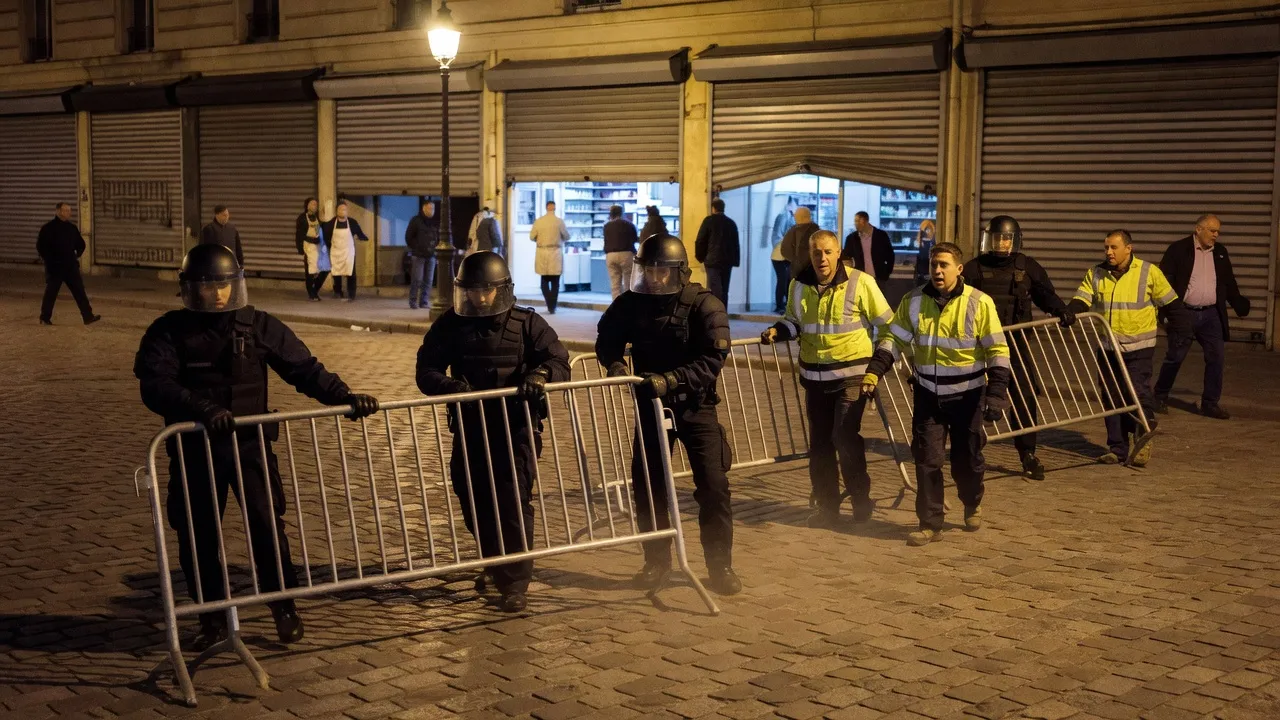
The Sydney Morning Herald and The Age's on-the-ground account, at the Place de la République the day after the worst French riots "in recent memory," describes young people in black hoods ready for tear gas, a burned-out kiosk, a ravaged florist, and an emptied wine shop. A resident, Alice Boucheron, believes many protesters had genuine reasons, such as the cost of living, but too many wanted to destroy; she cleans up the square. In Limoges, the historic city hall was largely destroyed.
Emmanuel Macron, in a Sunday evening address, distinguished the "several hundred thousand" protesters with legitimate claims from those who destroyed, vandalized, and looted, and promised swift justice. The newspaper notes a political quarrel over state prevention. It also reports American reactions: Donald Trump wrote that "France is burning" and attributed the situation to immigration, after a message from JD Vance on immigration in France.
The provided articles do not address the curfews announced by Sébastien Lecornu or the refused resignation of Laurent Nuñez; Australian coverage stops at the street scenes, weekend figures, and debate over causes.