
DOMINANT ANGLE
Santiago is primarily focused on regaining control of security: partial and localized curfews, a state of emergency held in reserve, and businesses to protect.
Dominant angle identified — does not reflect unanimity of this country’s media
KEY POINTS
- 01
Lecornu has requested "partial" and "localized" curfews from prefects after an interministerial crisis cell, with the expected map on Monday afternoon (La Tercera).
- 02
The weekend saw nearly 2,400 arrests, around 1,000 injured agents, and some 3,000 looted businesses (El Ciudadano).
- 03
Macron acknowledges "shortcomings" in police anticipation, refuses the resignation of the Interior Minister, and rules out a state of emergency for now (El Ciudadano).
ANALYSIS
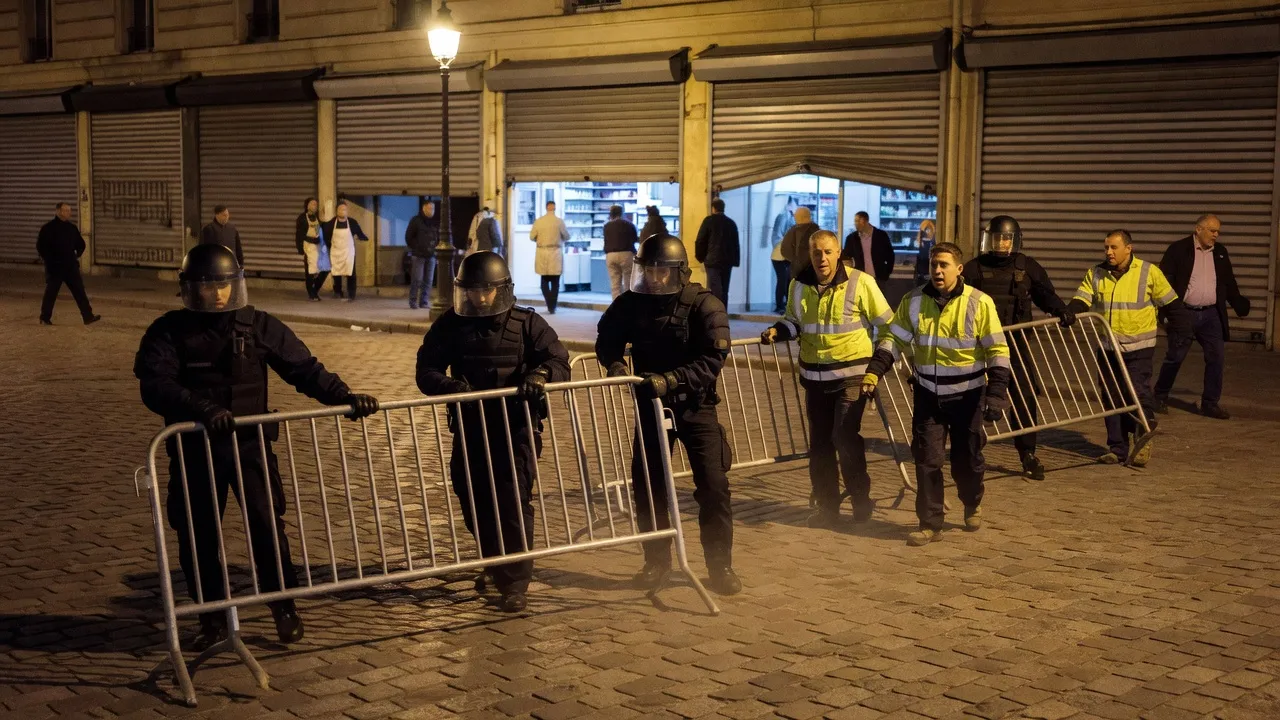
Santiago, October 19, 2026. The Chilean press is following the announcement by Sébastien Lecornu as a public order response to a night of violence. La Tercera headlines a quote from the Prime Minister: "The law enforcement agencies have done a good job," and presents the "partial" and "localized" curfews as the adapted measure, with the state of emergency remaining on reserve.
According to La Tercera, which cites EFE and French media, Lecornu spoke at a press conference after an interministerial crisis cell, alongside the Minister of the Interior, Laurent Nuñez, and the Minister of Trade and SMEs, Serge Papin. He asked the prefects to establish nighttime restrictions in the most affected areas, mainly to protect businesses. The details of the sectors were to be known in the afternoon, after exchanges with the concerned mayors. The government also plans economic aid for affected traders.
The daily newspaper picks up on the nuance of the head of government on the image of the country: "The French, when they watch television, think there is widespread chaos. Fortunately, that's not the case." For him, the disorder remains very concentrated in certain urban centers. La Tercera reports that the Prime Minister does not exclude declaring a state of emergency if the situation requires it, but for now judges the localized measures more appropriate.
El Ciudadano, an online media outlet, provides the weekend's figures: nearly 2,400 arrests, around 1,000 injured police officers, and some 3,000 looted businesses. It describes a France waking up on Monday, October 19, to broken windows, burned containers, and graffiti, the day after the massive protests against the high cost of living on Saturday, October 17. It speaks of one of the worst waves of unrest in recent history and episodes of "urban guerrilla warfare" in Paris, Lyon, and Marseille.
El Ciudadano also highlights the political aspect: Emmanuel Macron acknowledges "flaws" in police anticipation, refuses the resignation of the Minister of the Interior, and rules out the state of emergency for the time being. The "yellow vests" are already calling for a new day of protest the following Saturday. The media outlet publishes the same text in Spanish, English, and German.
In both sources, the narrative starts with the executive's response and the restoration of order. The demands regarding the cost of living only appear as the starting point of the violence.