
DOMINANT ANGLE
Bucharest is deciphering the French crisis from its political aspect: a Prime Minister who denounces the far left as the presidential election approaches, and European echoes surrounding migration.
Dominant angle identified — does not reflect unanimity of this country’s media
KEY POINTS
- 01
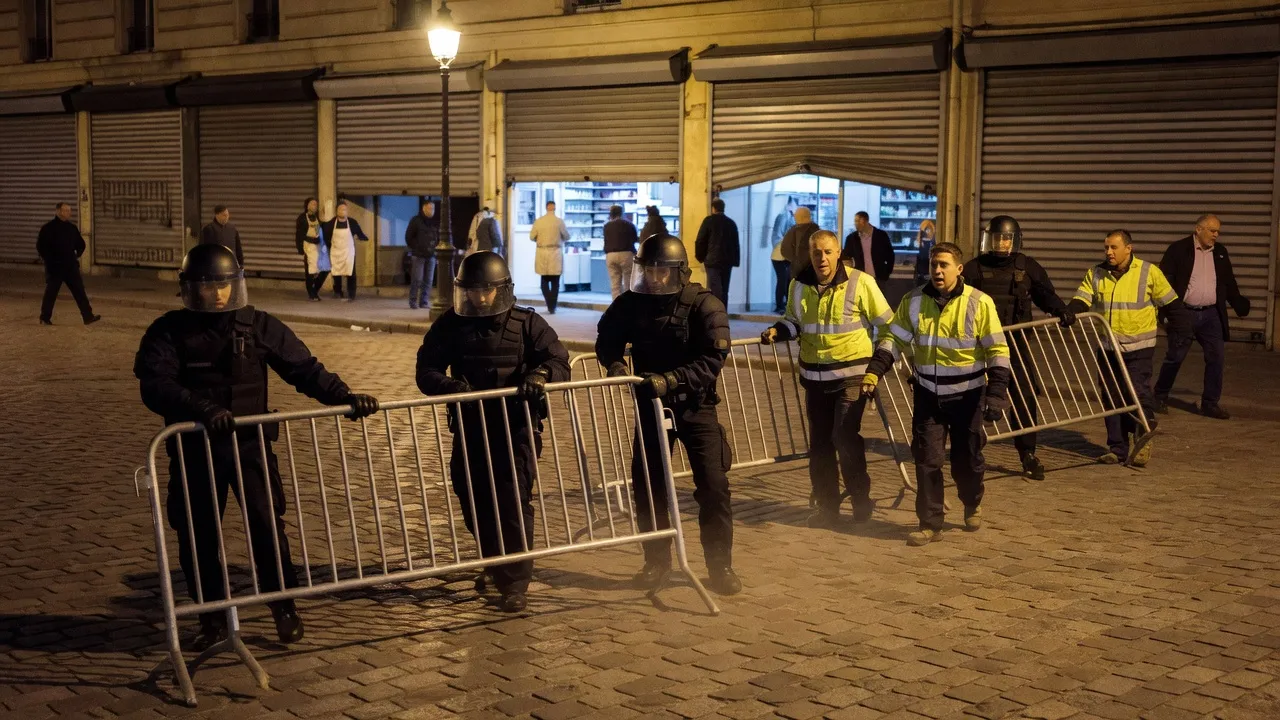
Lecornu requested "partial" and "localized" traffic restrictions from prefects Monday evening, mainly to protect stores (Digi24/AFP).
- 02
A state of emergency will be declared "if necessary", but restrictions "seem more suitable" according to the Prime Minister.
- 03
Péter Magyar cites the violence in France to justify Hungary's strict migration policy (G4Media/Mediafax/Telex).
ANALYSIS
Bucharest, October 19, 2026. The Romanian press first notes the response of the French executive and its electoral dimension. Digi24, citing AFP, reports that Prime Minister Sébastien Lecornu asked the prefects to trigger a series of partial and localized traffic restrictions on Monday evening, mainly to protect stores after a weekend of chaos scenes in several cities. The map of these measures was to be made public in the afternoon, after exchanges with the concerned mayors, following an interministerial crisis meeting.
The Romanian text emphasizes the gradation: the state of emergency will be declared if necessary, but traffic restrictions appear more suitable, says the head of government. Digi24 also relays, via Agerpres, the accusation made by Lecornu against the far-left movement, which he suspects of wanting to produce profound disorder in the country before the presidential election. He mentioned a whole network that could be mobilized, including to contest the election schedule, and announced a specific meeting with the Minister of the Interior and the intelligence services.
A second entry into the Romanian debate: the regional use of these images. G4Media, taking up Mediafax and the Hungarian media Telex, reports that Péter Magyar invoked the violence in France to defend Hungary's strict line on migration and the protection of external borders. He describes destroyed historic buildings and hundreds of injured police officers, and claims that the Europe we all love is today in great danger.
Magyar takes care to distinguish two things: peaceful and legal demonstrations and vandalism and violence are two completely different things, the first being a fundamental right, the second a serious offense. He links the episode to the discussions at the last European Union summit on migration, where, according to him, the majority of states want change.
The prism is therefore that of domestic politics and its echoes: a French head of government who reads the troubles through the presidential election, and a Hungarian official who summons them in the European debate on immigration. The two articles do not report the claims about the high cost of living, nor the refused resignation of the Minister of the Interior.