
DOMINANT ANGLE
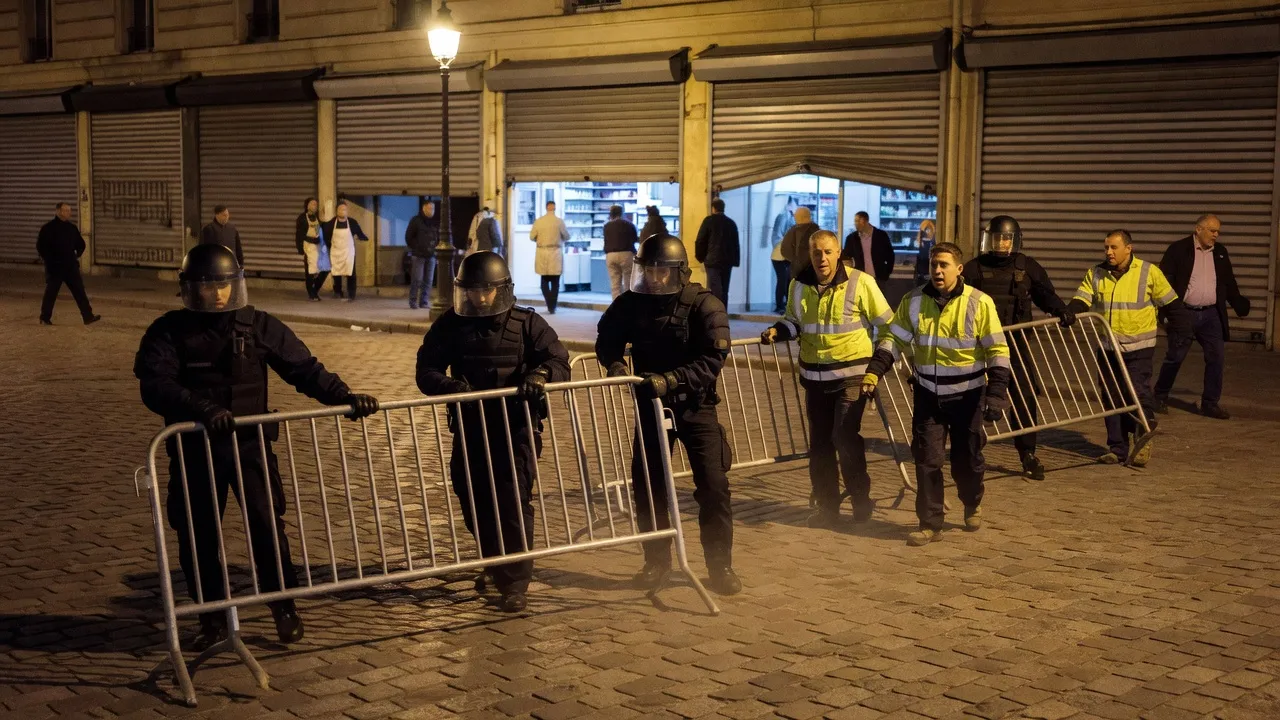
Stockholm is questioning the French executive's control: Svenska Dagbladet headlines a Macron who is "maktlös" (powerless), with the police having lost control and his minister having offered to step down.
Dominant angle identified — does not reflect unanimity of this country’s media
KEY POINTS
- 01
Police expected around 200,000 protesters on Saturday, but between 500,000 and 800,000 showed up (Svenska Dagbladet).
- 02
Laurent Nuñez offered to resign on Sunday; Emmanuel Macron refused, citing the need for stable police leadership (Svenska Dagbladet).
- 03
Nearly 2,400 people were arrested and about 1,000 police officers were injured, according to AFP as cited by Aftonbladet.
ANALYSIS
Stockholm, October 19, 2026. For the Swedish press, the episode is first and foremost one of a power caught off guard. Svenska Dagbladet titles its article "Maktlös Macron" and recalls the words of the president on Sunday evening on television: "Tonight, we all feel anger and shame." Emmanuel Macron promised that those responsible would be held accountable and designated extreme left-wing groups, joined, according to him, by criminals who took advantage of the demonstrations to break and loot.
The daily newspaper emphasizes the anticipation gap: the police expected around 200,000 demonstrators, between 500,000 and 800,000 took to the streets on Saturday, and public order lost control in some areas. On Monday, Interior Minister Laurent Nuñez admitted that the authorities had underestimated the scope of the movement. He had offered to resign as early as Sunday, but Macron refused, citing the need for stable police leadership. Svenska Dagbladet also relays doubts about the methods: according to Libération, tear gas was used nearly two hours before the official start of the demonstration in Paris, and researcher Sébastian Roché estimates that police action contributed to dispersing the processions and facilitating the damage. The police union defends the intervention, and Justice Minister Gérald Darmanin targets the intelligence services. The title mentions curfews and the government's crisis meetings on Monday.
Aftonbladet emphasizes Macron's seven-minute speech, which defended the professional work of the police forces while acknowledging that criticism of the interventions called for transparency. The newspaper reports nearly 2,400 arrests and around 1,000 injured police officers (AFP), and contrasts the gilding of the presidential office with the anger over the deterioration of living conditions, which mobilized at least half a million people peacefully.
Sveriges Radio gives voice to the street and elected officials: in front of the Louvre, two students, Elena and Juliette, prevent visitors from entering, while mayors of large cities judge the police force to be excessive, the police responding that they lacked clear orders. The public radio adds an economic aspect: property owners and small businesses bear the destruction, state bond rates, already historically high, are rising, and SEB's chief economist, Jens Magnusson, warns that other rates will follow. The risk of a general strike weighs on the markets.