
DOMINANT ANGLE
Ottawa is questioning the legitimacy of an election where most anti-war candidates were excluded from the ballot, while Kyiv struck Moscow with over 1,000 drones on the same day as the vote.
Dominant angle identified — does not reflect unanimity of this country’s media
KEY POINTS
- 01
United Russia gathers 57.5% of the vote according to the Central Election Commission's partial results, in the first legislative election since February 2022.
- 02
Most anti-war candidates were excluded from the ballot; two Yabloko party officials were sentenced to lengthy prison terms before the vote for comments on the conflict.
- 03
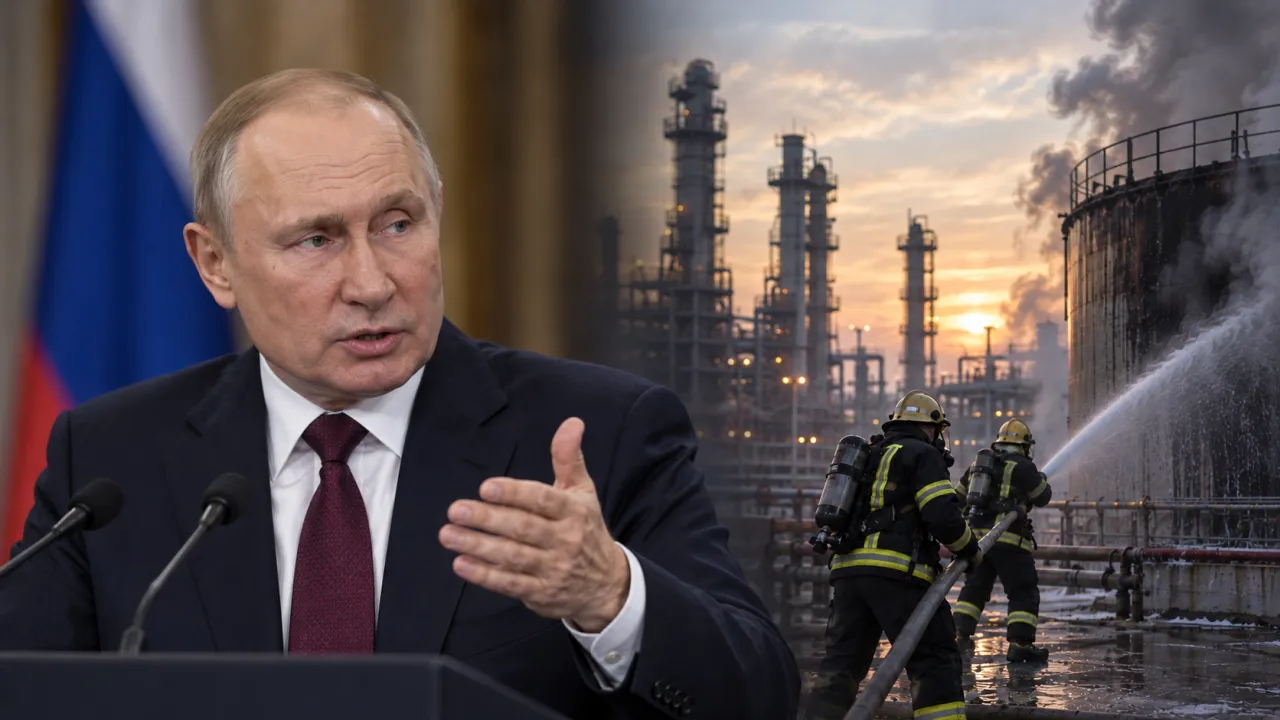
Ukraine has launched over 1,000 drones at Russia, with around 450 targeting Moscow, according to Mayor Sergei Sobyanin, damaging the Moscow refinery and a residential building.
ANALYSIS
Ottawa, Monday, September 21, 2026. The vote that was supposed to establish Vladimir Putin's legitimacy took place under the drones. According to the partial results published by the Central Electoral Commission, the United Russia party garnered 57.5% of the votes in the elections to the State Duma, the first legislative vote since the outbreak of war in February 2022. The opposition communist, LDPR, New People, and Fair Russia parties, which vote like the majority on key issues, shared the remaining seats without threatening its dominance. Dmitry Medvedev, vice-president of the Security Council, hailed a "worthy" performance, which he said was a sign that Russians trusted the party to continue its power.
Most of the candidates opposed to the war were excluded from the ballot, reports the Globe and Mail. Those from the liberal Yabloko party said they feared for their freedom after courts handed down long prison sentences to two of their leaders for comments on the conflict, even before the polls opened. Cyberattacks on the voting system were reported as early as Saturday; voting also took place in four annexed Ukrainian regions and in Crimea, a move Kyiv calls illegal. Turnout exceeded 50% in the early afternoon in Moscow, according to Interfax citing the Electoral Commission.
On the last day of voting, Ukraine launched over 1,000 drones at Russia, including about 450 targeting Moscow, according to Mayor Sergei Sobyanin, who called it the "largest" attack ever carried out against the capital and presented it as a failed attempt to disrupt the vote. The Russian Ministry of Defense claims to have shot down 1,100 drones across the country, including in annexed Crimea and over the Black Sea. The Moscow refinery and a residential building were damaged. The toll varies from one source to another: CBC News reports three dead in the Moscow region and two others in the occupied part of Kherson, including an election official; the Globe and Mail reports two dead on the Moscow side. Regional Governor Andrei Vorobyov mentions two dead - a 74-year-old man and a 44-year-old woman - and twenty injured.
For the Canadian press, the dominant image is not one of an electoral victory, but of a power that is locking down its Parliament while the war it chose is hitting its own capital.