DOMINANT ANGLE
Santiago sees Navi Pillay's Nobel as a rebuke to Donald Trump, and also as a test of resilience for the International Criminal Court targeted by American sanctions.
Dominant angle identified — does not reflect unanimity of this country’s media
KEY POINTS
- 01
The Nobel Peace Prize was awarded Friday to South African jurist Navi Pillay, 85, former UN High Commissioner for Human Rights from 2008 to 2014 (BioBioChile).
- 02
The ICC has "categorically" rejected US sanctions; Tomoko Akane asserts that "the Court will not be intimidated" (El Ciudadano).
- 03
Washington had already sanctioned 9 of the 18 ICC judges, the two deputy prosecutors, the former prosecutor, and a staff member (El Ciudadano).
ANALYSIS
Santiago, October 10, 2026. Chilean media are covering the Nobel Peace Prize awarded on Friday, October 9, to South African jurist Navi Pillay, 85, from two angles: the setback for Donald Trump and the pressure on international justice.
BioBioChile dedicates an explanatory piece to the "eight wars" that the American president claims to have resolved to deserve the prize. "To the disappointment of the official," the site writes, the award went to Pillay. It cites a verification by FactCheck.org according to which this record includes disputes that never became open wars and conflicts that are not yet over. Reuters, it recalls, reports that hostilities persist in several cases, including Rwanda and the DRC, or India and Pakistan, with Delhi denying any American mediation.
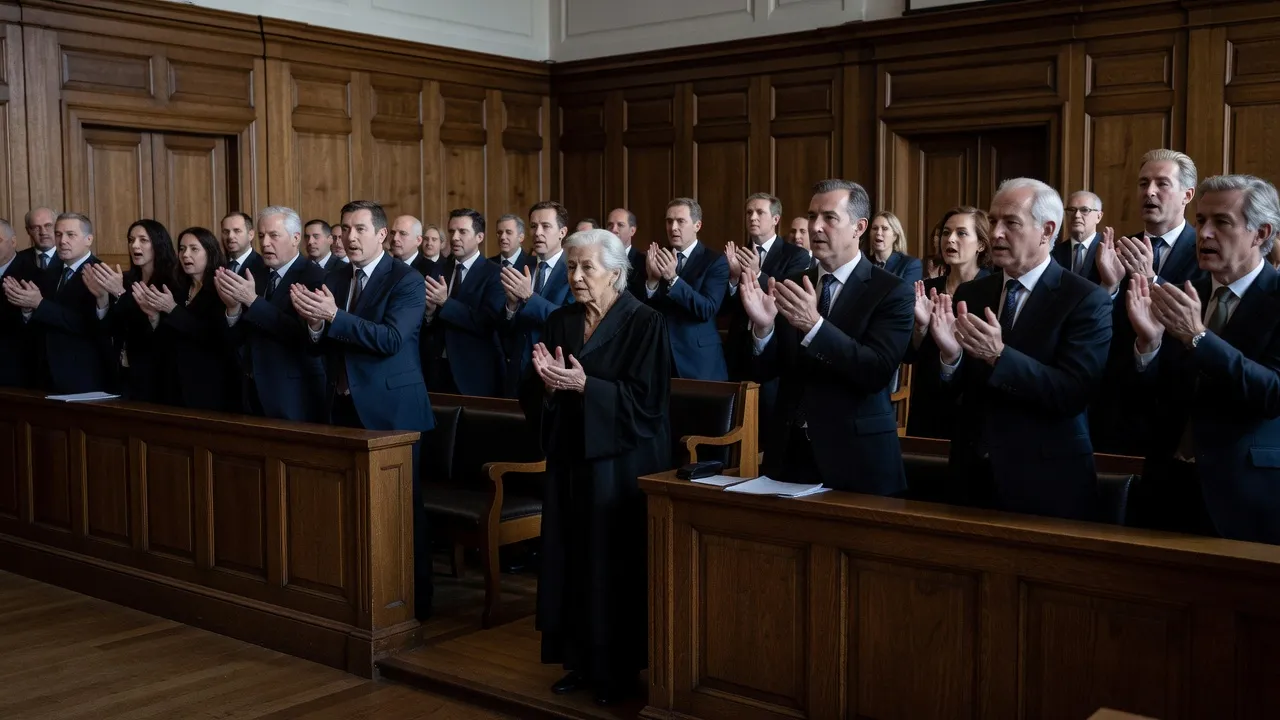
A second BioBioChile article focuses on Pillay herself. Former UN High Commissioner for Human Rights from 2008 to 2014, she held a position that Michelle Bachelet held from 2018 to 2022, the media notes, giving the story a Chilean connection. It reports that the Norwegian committee, chaired by Jørgen Watne Frydnes, sees the prize as a message to those seeking to weaken the rules-based system, and that "judges and institutions of international law are under political attack." Pillay joked upon learning the news at the Nuremberg Forum: "If you applaud a little more, maybe I'll share this prize with Trump." The text also reports that the commission she chaired concluded that there was a genocide in Gaza, which Israel denies, and that the Israeli chancellery wrote on X that Goebbels "must be applauding from hell."
El Ciudadano focuses on the sanctions. The ICC has "categorically" rejected them, seeing them as a "flagrant attack on the independence of an impartial judicial institution" that also affects victims. UN Secretary-General António Guterres sees them as "a severe blow to international criminal justice," and High Commissioner Volker Türk deems them "unacceptable," calling for their immediate withdrawal. President Tomoko Akane assures that "the Court will not be intimidated." According to the media, Washington had already sanctioned 9 of the 18 judges, the two deputy prosecutors, the former prosecutor, and a staff member. BioBioChile reports 13 sanctioned officials and fears of a sanction targeting the entire Court.
Chilean media are thus mainly relaying the reactions of UN institutions and the Court, and few voices from states. The prize is seen as a mandate to defend international law rather than a national pride for South Africa.
SOURCES (2)
- BioBioChileMEDIUM
- El CiudadanoMEDIUM