DOMINANT ANGLE
Nairobi weighs right against might: Navi Pillay's Nobel and the US sanctions against the ICC, which fell on the same day, form a single narrative on the state of international legal order.
Dominant angle identified — does not reflect unanimity of this country’s media
KEY POINTS
- 01
Navi Pillay, 85, former judge of the ICC and ICTR, received the Nobel Peace Prize on Friday, October 9; she is the fifth South African laureate (Daily Nation).
- 02
Marco Rubio announced US sanctions against the ICC, with a ban on transactions, labeling it a "rogue court" (Capital FM Kenya).
- 03
The ICC denounced "an attack on the rule of law", recalling that it is mandated by 125 State Parties (Capital FM Kenya).
ANALYSIS
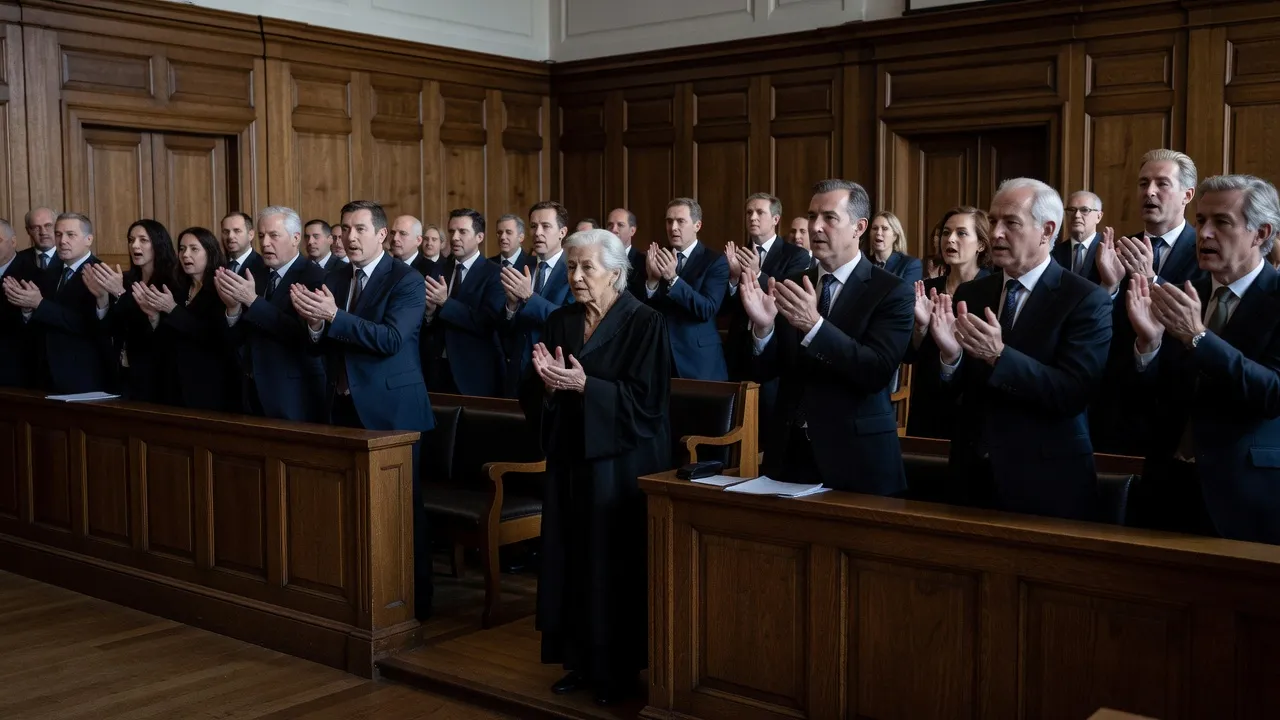
Nairobi, October 10, 2026. The Kenyan press is treating the awarding of the Nobel Peace Prize to Navi Pillay and the American sanctions against the International Criminal Court as two sides of the same coin, on Friday, October 9.
Daily Nation presents Navi Pillay, 85, as a South African human rights advocate, former judge of the ICC and the International Tribunal for Rwanda, distinguished "for her efforts in favor of peace and international law". The newspaper emphasizes that she is the fifth South African to receive this award, after Nelson Mandela and FW de Klerk, Archbishop Desmond Tutu and Albert Luthuli. It recalls that she chaired the UN commission of inquiry into the occupied Palestinian territory, whose report concluded last year to a genocide in Gaza, which Israel deemed "scandalous" and "false". It also notes that the Nobel Committee's text does not mention Donald Trump or Israel, while citing her warning: "Whenever might overtakes right, it undermines stability, trust and peaceful co-existence."
Tuko adopts a more celebratory tone. The site quotes the Norwegian committee praising "exceptional courage and integrity", recalls that Navi Pillay was born under apartheid and had humble beginnings, and describes her as one of the most distinguished legal figures in Africa, hailed by global recognition.
Capital FM Kenya, from Nairobi, covers the American aspect. Secretary of State Marco Rubio announced the sanctions, accusing the Court of wanting to extend its authority to American citizens, military and leaders. He promised to ban transactions with what he calls a "rogue court", in order to "cut off its resources" and hinder its functioning. The media recalls that the United States is not a party to the Rome Statute.
The ICC, it reports, denounced in a statement on October 9 "an attack on the rule of law and the very foundations of the international legal order", targeting an independent judicial institution mandated by 125 States parties, and called on them to defend its operations. The three articles thus maintain the same line: an international law described as under pressure, an African laureate who embodies it, and a Court that asserts it will continue its mandate.