Nepal — news through its media
Stories followed in this country, with their framing set against the rest of the world.
29 subjects found
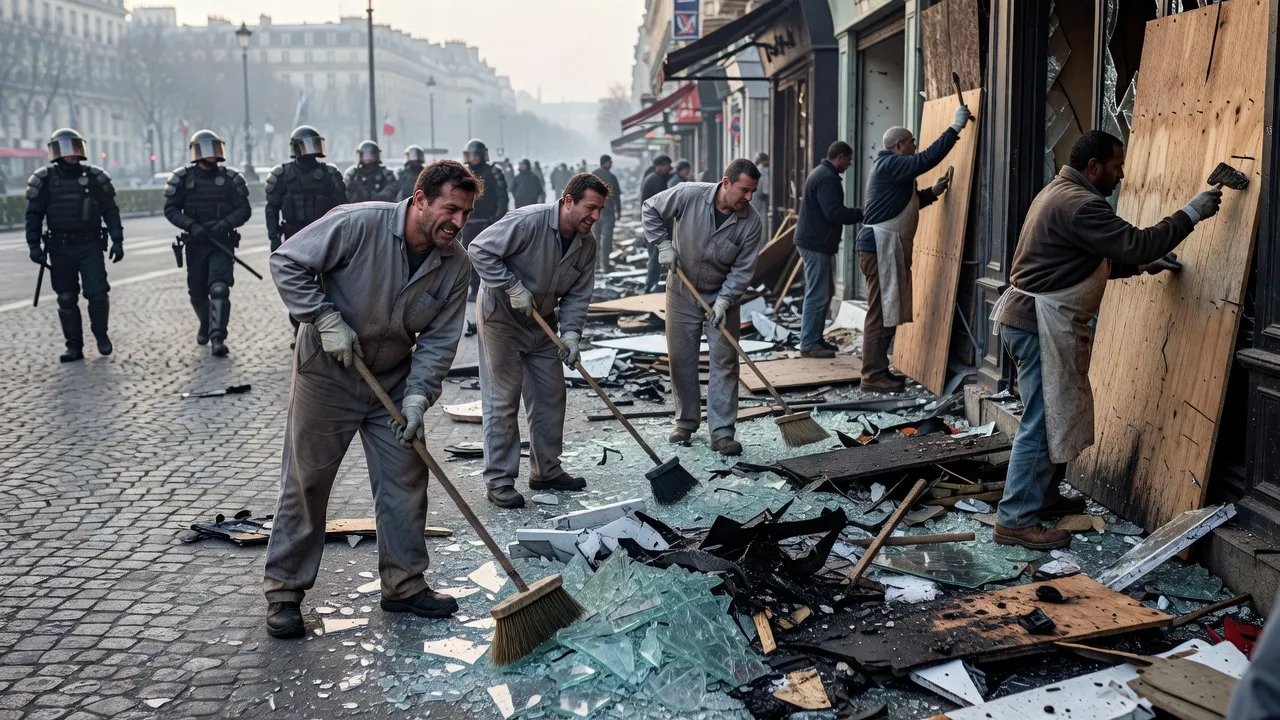
France: after 1,800 arrests, Emmanuel Macron vows firmness against "seditious" groups
In a ten-minute address, the president spoke of his "anger" and "shame" but announced nothing on the cost of living; one protester died and hundreds of shops were looted.


 +39
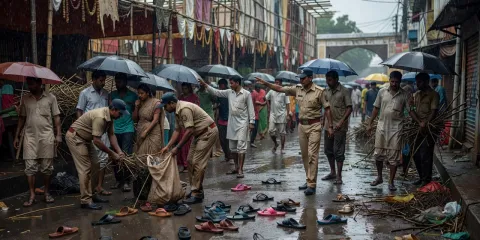
India: a stampede kills at least 19 during the Durga Puja festival in Kolkata
Outside the Chorbagan pavilion, a loudspeaker announcement and a sudden downpour sent the crowd surging; organisers and guards were detained and a special inquiry opened.


 +2
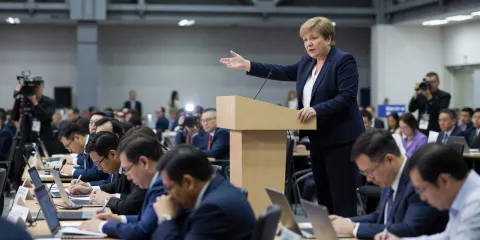
IMF raises 2026 global growth forecast to 3.1%, but warns of a 'highly uneven' outlook between AI winners and energy importers
Released in Bangkok, the International Monetary Fund's forecasts describe growth propped up by AI and held back by the oil shock, debt and interest rates.

 +11
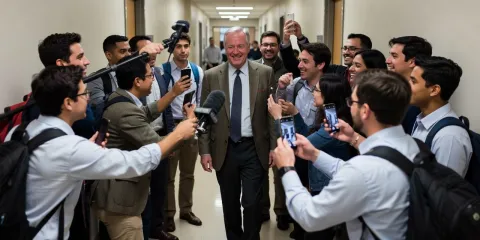
2026 economics Nobel: Americans Robert Hall and Michael Woodford honoured for the tools of economic stabilisation
The Royal Swedish Academy of Sciences honours the microeconomic foundations of the models central banks now use to respond to shocks, from the pandemic to energy crises.
 +10
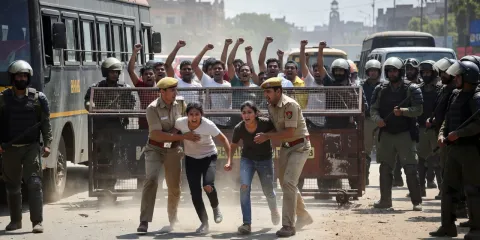
India: thousands detained in New Delhi to stop the "cockroach" movement's protest against the chief election commissioner
Mobile internet cut, metro shut, thousands detained: authorities sealed off the capital to stop the Cockroach Janta Party's rally against a voter-roll revision that removed more than 130 million names. The UN voiced concern and the Supreme Court took up challenges.
 +5
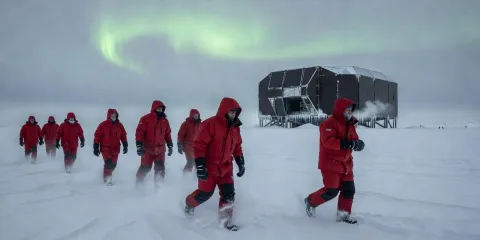
Nobel Prize in Physics: Belgian-born Francis Halzen honoured for IceCube and neutrinos from the cosmos
Born in Tienen and a professor at the University of Wisconsin-Madison, Francis Halzen is the sole laureate for turning a cubic kilometre of South Pole ice into a detector. IceCube has captured high-energy neutrinos from distant galaxies and opened a new kind of astronomy.


 +8
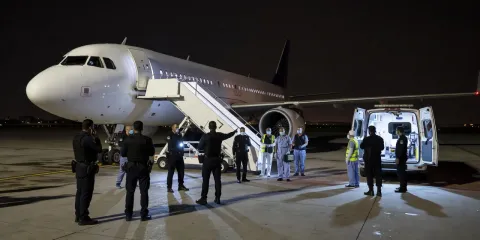
Flydubai Dubai-Tel Aviv flight: a pilot stabs his captain and the plane makes an emergency landing in Saudi Arabia
Flydubai flight FZ1073, carrying more than 160 Israeli passengers, made an emergency landing in Tabuk, Saudi Arabia, on Wednesday after a pilot stabbed the captain. Israel calls it an attempted attack; passengers and a relief crew regained control of the aircraft. Flydubai has suspended its flights to Israel.
+42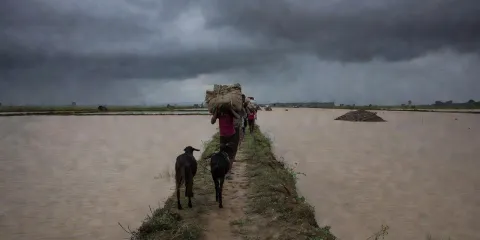
Torrential rain in India and Nepal: at least 70 dead in floods and landslides
Exceptional rain has killed at least 56 people in India and 14 in Nepal, where 11 people are missing. Uttar Pradesh received nearly nine times its normal rainfall in two days; the Ganges and several major rivers are above danger levels. Nepal fears flash floods in 49 districts, a month after floods there killed more than 1,450 people.
 +3
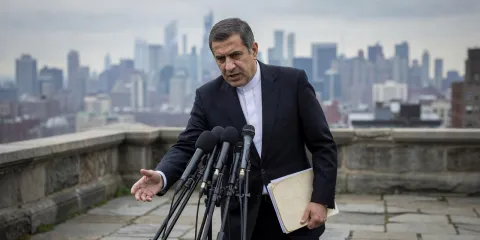
Iran offers to reopen the Strait of Hormuz within seven days if the blockade is lifted, and Trump reportedly rejects it
Relayed by Qatar, Abbas Araghchi's plan calls for lifting the naval blockade of Iranian ports, ending oil sanctions and a ceasefire including Lebanon, then reopening Hormuz on day six and resuming nuclear talks on day seven. Tehran rules out nuclear concessions. According to the Wall Street Journal, Donald Trump has rejected it; Tehran awaits an official answer.
 +14
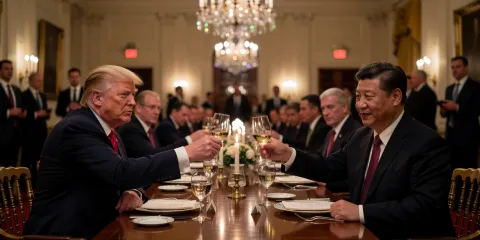
Trump and Xi display their "friendship" at the White House, with a state dinner and pandas but no progress on trade or Taiwan
On the second day of Xi Jinping's state visit, Donald Trump hailed a "truly great friendship": under two hours of talks, a state dinner with the heads of Apple, Nvidia and AMD, and two pandas promised to Atlanta's zoo. No progress was announced on trade, Taiwan, rare earths or AI; the trade truce is only extended to January 10.
 +35
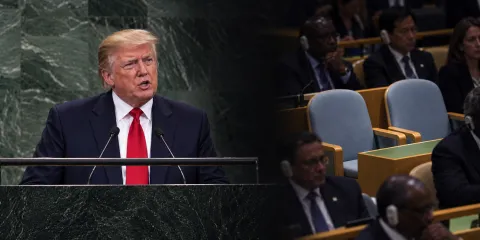
Trump threatens to "annihilate" Iran at the UN, then announces talks have resumed
At the General Assembly, Donald Trump said he would have to decide whether to annihilate Iran absent a deal, then minutes later announced a "very good" three-hour meeting between US and Iranian representatives in New York, led by Steve Witkoff and Jared Kushner. A deal, he said, could come after the midterm elections. The Iranian and Cuban delegations walked out; oil prices fell.
+28Understand global stakes from every perspective.
718 subjects · 75 countries · 8174 perspectives