
DOMINANT ANGLE
Canberra is gauging the true scope of the Sino-American trade truce, exercising caution in the face of tariff reductions that only apply to "non-sensitive" goods.
Dominant angle identified — does not reflect unanimity of this country’s media
KEY POINTS
- 01
Tariffs are reduced on $30 billion worth of "non-sensitive" goods in each direction: American agriculture, wood, and cosmetics for Chinese small appliances, toys, and decorations.
- 02
China has committed to importing at least 10 million tons of American coal in 2027 and 2028, according to the White House.
- 03
The announced trade council is reportedly already operational this week, according to Washington, while the official Chinese account fit on a single page.
ANALYSIS
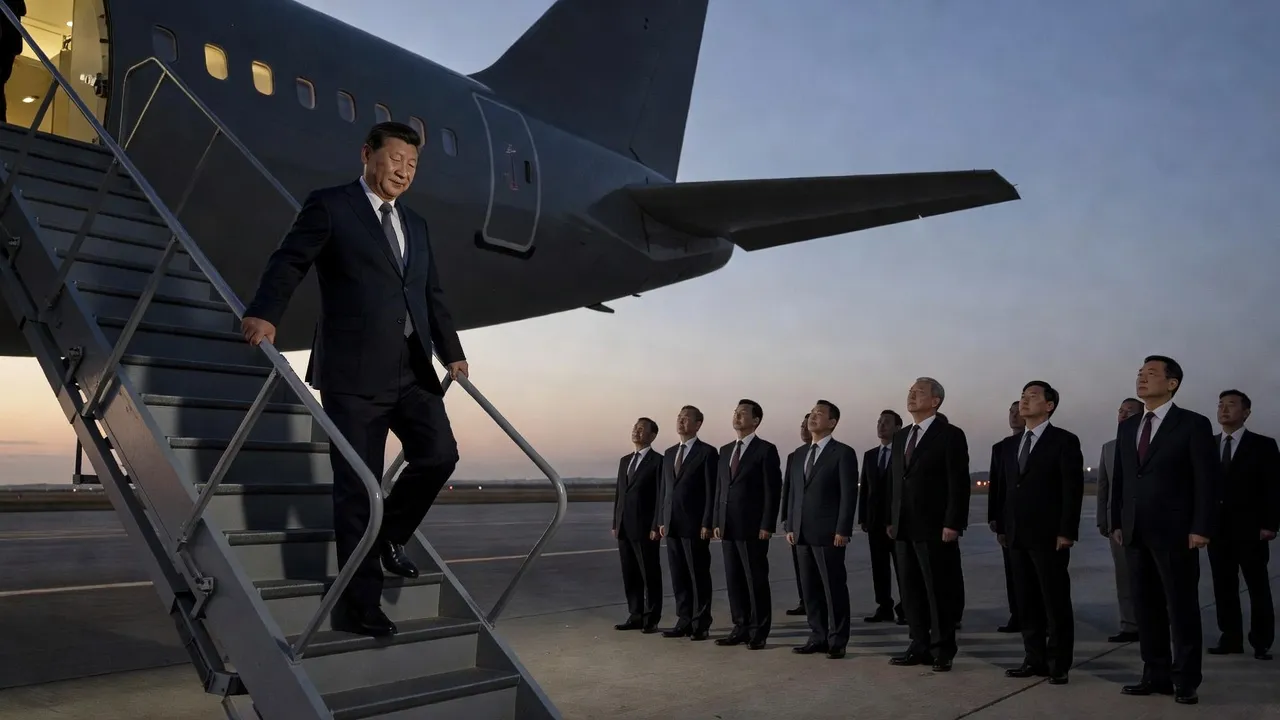
Canberra, September 27, 2026. In the aftermath of Xi Jinping's state visit to Washington, which ended on Friday, September 25, the Australian press is measuring the real scope of the agreements announced between the two largest economies in the world. The tariff reductions, estimated at $30 billion, approximately AU$42 to AU$43 billion, in each direction, only concern "non-sensitive" goods: American agricultural products, wood, and cosmetics on one hand, and Chinese small appliances, toys, and decorations on the other. The White House specifies that "the two countries have reached a consensus on recommendations for more favorable tariff treatment." The announced trade council would have already begun operating this week, according to Washington, while the Chinese statement, described by the Australian press as a one-page summary, is deemed brief. This asymmetry in communication is fueling Canberra's caution, which is itself engaged in a close and sometimes tense economic relationship with Beijing. A sensitive point for the Australian economy, which exports coal: China has committed to importing at least 10 million tons of American coal in 2027 and 2028, a commercial gesture that could weigh on Australian market shares in this sector. On the technological front, the two countries are opening a dialogue on the risks and benefits of artificial intelligence, with the next session scheduled for November, and creating a communication channel for AI-related incidents, as well as a memorandum on crisis prevention between the two armies. Experts cited anonymously consider these mechanisms important, capable of preventing the escalation of future disputes, even in the absence of a major breakthrough during this three-day summit. Chinese Foreign Minister Wang Yi hailed a historic visit, which would have opened a new chapter in bilateral relations. Xi Jinping returned to Beijing on Saturday, according to the Xinhua agency. This development comes after the two-month extension of a trade truce that was set to expire on November 10, confirmed on Wednesday by Treasury Secretary Scott Bessent. For Australia, an ally of Washington but Beijing's largest trading partner, every gesture of appeasement between the two giants has direct repercussions on its own trade.