
DOMINANT ANGLE
Dhaka is gauging the actual impact of the $30 billion in reduced tariffs between Washington and Beijing, between cautious trade relief and analyst skepticism over the duration of the truce.
Dominant angle identified — does not reflect unanimity of this country’s media
KEY POINTS
- 01
China and the United States have agreed to a reciprocal tariff reduction of $30 billion and to establish a trade council, according to an eight-point agreement announced Saturday by the Chinese Ministry of Foreign Affairs.
- 02
The trade truce, which was set to expire on November 10, has been extended until January 10, confirmed US Treasury Secretary Scott Bessent on Wednesday.
- 03
The two countries will open a dialogue on the risks and benefits of artificial intelligence, with the next session scheduled for November, and a dedicated communication channel for AI-related incidents.
ANALYSIS
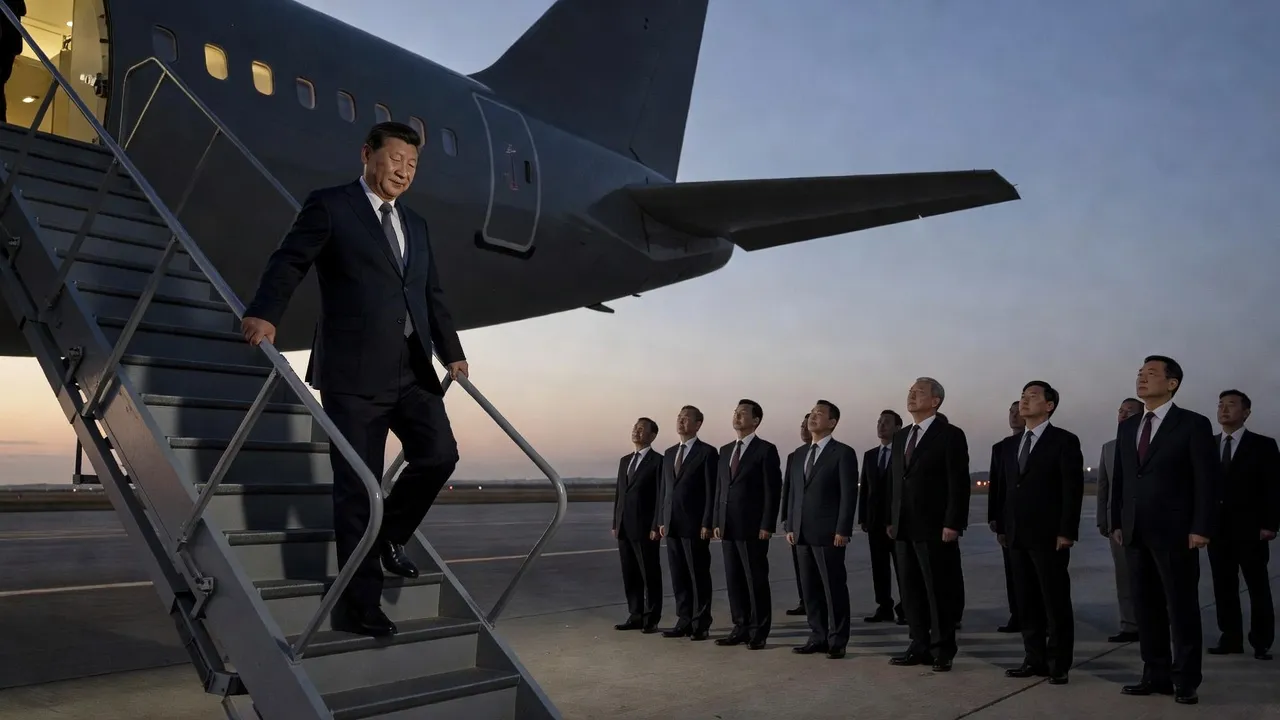
Dacca, September 27, 2026. In the aftermath of the three-day summit between Donald Trump and Xi Jinping in Washington, which ended on Friday, the Bangladeshi press first notes the economic scope of the eight-point agreement announced on Saturday by Beijing. According to the Chinese Ministry of Foreign Affairs, cited by TBS News, the two countries have agreed on a reciprocal tariff reduction affecting $30 billion worth of goods, as well as the creation of a trade council extending the results of discussions held in Kuala Lumpur. For an economy like Bangladesh, whose textile exports depend on the stability of trade between the two leading world powers, this agreement confirms that the tariff truce is holding, for now.
The Daily Star reports that Washington and Beijing have bought time with this extended truce, without resolving their strategic rivalry. Treasury Secretary Scott Bessent confirmed on Wednesday that the agreement, which was set to expire on November 10, has been postponed to January 10. Daniel Russel, of the Asia Society Policy Institute, recalls that the two countries "remain engaged in a fierce competition on trade, technology, Taiwan, defense, rare earths, and industrial policy". Daniel Kritenbrink, of The Asia Group, adds that tangible results will be needed for the truce to last, with some US officials estimating that Beijing "has largely failed to fulfill its commitments" made during previous meetings.
US Trade Representative Jamieson Greer has described these extensions as "compliance periods" rather than definitive agreements, a nuance that Dacca notes, accustomed to seeing Washington's tariff fluctuations weigh on its own negotiations. On artificial intelligence, the two sides have agreed on a dialogue on the risks and benefits of the technology, with the next session scheduled for November, and a communication channel for AI-related incidents. Beijing also assures that the two leaders have agreed to mutually support the APEC and G20 summits.
Beijing finally indicates that the two leaders have agreed that Iran must respect its non-proliferation commitment. For the Bangladeshi press, this summit, marked by personal diplomacy more than public breakthroughs, illustrates how third-party economies remain suspended on the arbitrations of Washington and Beijing.