
DOMINANT ANGLE
Ottawa is dissecting a summit that is more technological than commercial: the channel for AI incidents and the military memorandum carry more weight than the $30 billion in reduced tariffs.
Dominant angle identified — does not reflect unanimity of this country’s media
KEY POINTS
- 01
Washington and Beijing create a channel for AI-related incidents and set a specific AI dialogue for November.
- 02
Tariffs are reduced on $30 billion worth of non-sensitive goods in each direction (agricultural, wood, cosmetics from the US side; small appliances, toys, decorations from the Chinese side).
- 03
China commits to importing at least 10 million metric tons of US coal in 2027 and 2028, according to the White House.
ANALYSIS
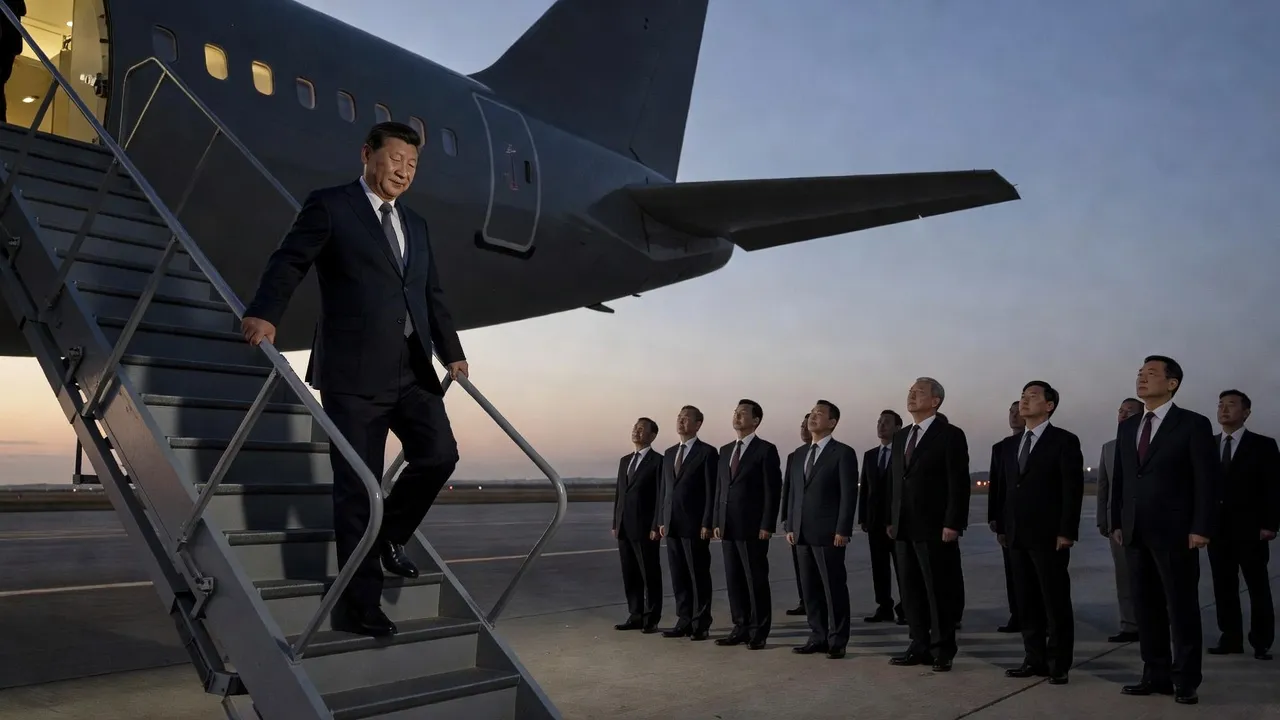
Ottawa, September 27, 2026. The three-day summit between Donald Trump and Xi Jinping, concluded on Friday, September 25, in Washington, did not produce a "major public breakthrough," Canadian press reports summarize, but several concrete mechanisms emerged from it. The most commented on here is not primarily commercial: Washington and Beijing agreed to create a dedicated channel for incidents related to artificial intelligence, with a specific dialogue scheduled for November to discuss the "risks and benefits" of the technology. The two capitals also signed a memorandum of understanding to strengthen crisis communications between their armies, a point confirmed by the Chinese Ministry of Foreign Affairs in a statement described as "one page" and not very detailed on Saturday, September 26.
On the commercial front, the two countries will reduce tariffs on $30 billion worth of goods considered "non-sensitive" in each direction: American agricultural products, wood, and cosmetics in exchange for Chinese small appliances, toys, and decorations. A Trade Council, which has already taken office this week according to the White House, will oversee these exchanges. China has also committed to importing at least 10 million metric tons of American coal in 2027 and 2028. These gestures extend the two-month trade truce announced on Wednesday, September 23, by Treasury Secretary Scott Bessent, which was initially set to expire on November 10.
On Saturday, back in Beijing according to the Xinhua agency, Xi Jinping let Donald Trump comment alone on the scope of the AI dialogue. The American president ruled out any slowdown: "The United States is not going to put the brakes on," he told journalists in front of the White House, adding that he prefers not to share the technology with Beijing "because we are leading widely." Chinese Foreign Minister Wang Yi, for his part, hailed a visit that "opens a new chapter" in bilateral relations.
For the Canadian press, the essence of the summit lies less in the tariff figures than in these technical and military channels: modest devices capable, according to several analysts cited, of preventing differences from escalating between the two largest economies in the world.
SOURCES (3)
- Globe and MailMEDIUM
- Global NewsMEDIUM