
DOMINANT ANGLE
Dhaka is aware of how even the slightest disruption in the Strait of Hormuz directly impacts its energy bill and the Bangladeshi workers employed in the Gulf.
Dominant angle identified — does not reflect unanimity of this country’s media
KEY POINTS
- 01
The Iranian seven-day plan includes a cessation of hostilities in Lebanon, the release of frozen Iranian assets estimated at at least $12 billion, the lifting of oil sanctions, and the end of the naval blockade, with the reopening of the Strait of Hormuz on the seventh day.
- 02
Trump said he is not in a hurry to conclude a deal, even though high oil prices are fueling inflation and increasing the cost of living.
- 03
The US Army has deployed high-energy lasers in the Strait of Hormuz against drones and awarded AeroVironment a $464.8 million contract for its Enduring-High Energy Laser program.
ANALYSIS
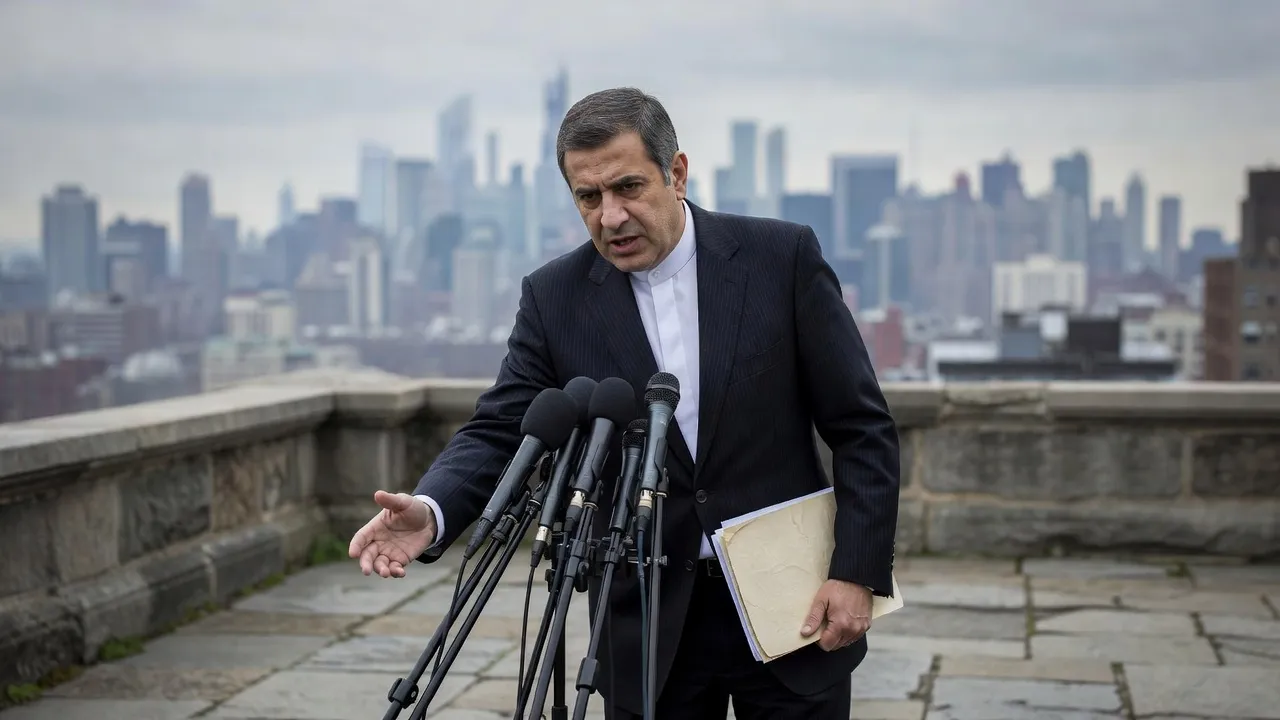
Dhaka, September 26, 2026. Iranian Foreign Minister Abbas Araghchi presented a plan in New York, on the sidelines of the United Nations General Assembly, to reopen the Strait of Hormuz in seven days. According to his own specifications, cited by the New York Times, the text provides for a cessation of all hostilities in the Middle East for seven days, including in Lebanon, the release of frozen Iranian assets estimated at at least $12 billion, the lifting of sanctions on Iranian oil sales, and the end of the US naval blockade. The strait would reopen on the seventh day of the truce. "If certain conditions are met, the strait will be opened within seven days and discussions will begin," Araghchi said. He claims that China supports the proposal, while Xi Jinping met with Trump the same week in Washington.
For Dhaka, which depends on energy supplies transiting through the Gulf and the revenue of its expatriate workers in the region, the issue is not just diplomatic. Trita Parsi, from the Quincy Institute, who was present at the New York meeting, estimates that a quick agreement would benefit Trump politically before the November midterm elections. But the US President said he is not in a hurry to conclude, even if high oil prices fuel inflation and worsen the cost of living — a phrase that resonates directly for an importing economy like Bangladesh's.
The local press also notes that Washington is not disarming its positions in the strait: the US military has deployed high-energy lasers against drones, and has just awarded AeroVironment a $464.8 million contract for its Enduring-High Energy Laser program, the first production contract of its kind. A signal that military deterrence continues to coexist with the diplomatic channels opened by Tehran via Qatar.
On the Iranian side, the authorities in Tehran have not publicly confirmed the exact terms of the plan: the Kyodo agency was the first to reveal it, before Iranian media denied this version. Araghchi also met with US envoy Steve Witkoff, while a spokesman for the Revolutionary Guards added the end of hostilities in Yemen to Tehran's list of demands.