
DOMINANT ANGLE
Kuala Lumpur is measuring the economic weight of a still-closed Strait of Hormuz, a vital crossroads for global oil supply, after the reported American rejection of the Iranian plan in seven days.
Dominant angle identified — does not reflect unanimity of this country’s media
KEY POINTS
- 01
Araghchi presented a seven-day plan to the UN, transmitted via Qatar, to reopen the Strait of Hormuz and restore normal maritime traffic
- 02
According to the Wall Street Journal, Trump reportedly rejected the proposal, deeming Tehran unlikely to uphold its commitments and considering a resumption of bombings
- 03
Before the conflict, which began nearly seven months ago, around a fifth of the world's oil and gas passed through the Strait of Hormuz
ANALYSIS
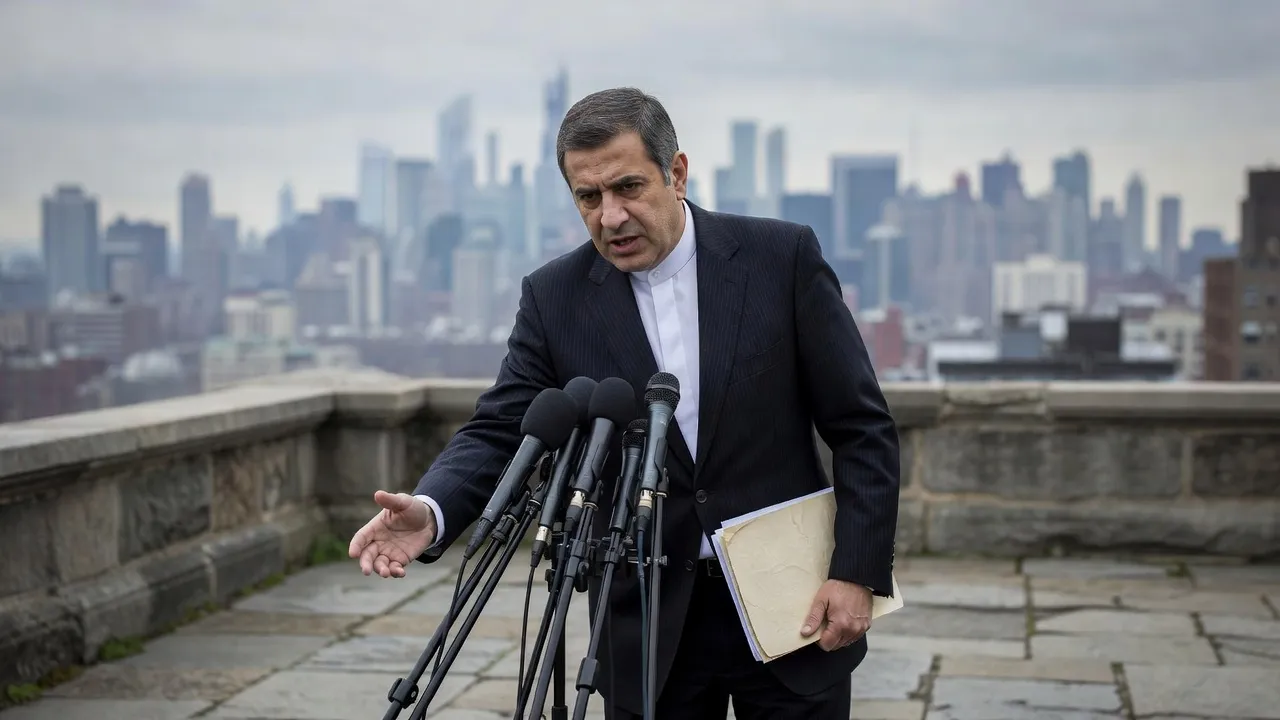
Kuala Lumpur, September 26, 2026. For Malaysia, a producer of oil and liquefied natural gas and manager of one of the other major chokepoints of global maritime trade, the Strait of Malacca, the impasse around the Strait of Hormuz resonates as a reminder of the fragility of energy routes. The Sun MY and The Vibes report that Iranian Foreign Minister Abbas Araghchi presented on Friday, on the sidelines of the United Nations General Assembly in New York, a seven-day plan transmitted to Washington via Qatar: reopening the strait and restoring normal maritime traffic if conditions are met. "Iran has conveyed to the United States, through Qatar, a concrete seven-day plan," Araghchi said, adding: "The choice now rests with the United States. Iran does not accept coercion, threats, or intimidation."
A few hours later, according to the Wall Street Journal cited by local headlines, Donald Trump would have rejected the proposal, deeming it unlikely that Tehran would keep its commitments and instead considering a resumption of bombings. The American president posted on Truth Social a map of the strait renamed "Trump Strait", a gesture that the Malaysian press relays without further comment.
For Kuala Lumpur, the issue goes beyond bilateral diplomacy: the conflict has been going on for nearly seven months, and before its outbreak, about a fifth of the oil and gas traded in the world transited through Hormuz. A prolonged blockade, or its maintenance after an American refusal, would directly impact the energy prices that Malaysia, itself an exporter but also an importer of crude oil for its refineries, closely monitors. The articles recall that American envoy Steve Witkoff had met with Araghchi on Tuesday for talks, a sign that the diplomatic channel remained open despite the reported rejection. The local press relays the facts as sourced by international headlines, without adding any numerical analysis of the specific impact on the Malaysian economy, due to a lack of more in-depth local coverage of the case at this stage.
SOURCES (2)
- The Sun MYMEDIUM
- The VibesMEDIUM