
DOMINANT ANGLE
Kathmandu first gauges the energy stakes of the showdown over the Strait of Hormuz, through which a fifth of the world's oil and gas transited before the war.
Dominant angle identified — does not reflect unanimity of this country’s media
KEY POINTS
- 01
Abbas Araghchi proposed reopening the Strait of Hormuz in seven days if Washington lifts the naval blockade, returns frozen funds, and lifts oil sanctions, a plan transmitted via Qatar.
- 02
Before the war began late February, around 20% of the world's oil and liquefied natural gas transited through the Strait of Hormuz, whose closure has caused significant fluctuations in energy prices.
- 03
The Wall Street Journal reports that Donald Trump rejected the Iranian proposal, while 80 UN countries, led by Bahrain, are demanding the immediate reopening of the strait under Resolution 2817.
ANALYSIS
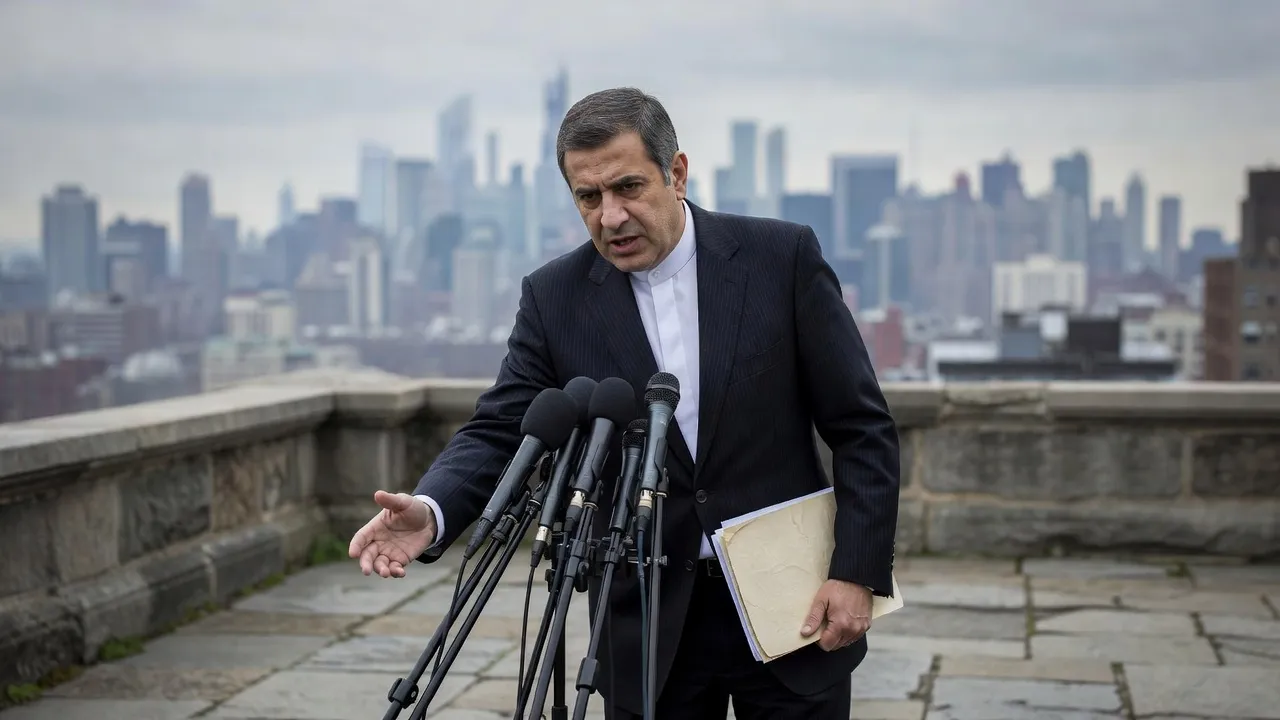
Katmandou, September 26, 2026. From the podium of the United Nations General Assembly in New York, Iranian Foreign Minister Abbas Araghchi presented a plan transmitted to Washington through Qatar: to reopen the Strait of Hormuz in seven days if the United States lifts the naval blockade of its ports, returns its frozen funds, lifts sanctions on its oil, and respects a ceasefire including the Lebanese front. "The choice now belongs to the United States," he said, specifying that the conditions were already included in the agreement protocol signed in June between Tehran and Washington. For the Nepalese press, which picks up international dispatches, the stakes are measured first in terms of the market: before the war started at the end of February, about a fifth of the oil and liquefied natural gas traded in the world passed through this strait, and its closure has caused strong fluctuations in global energy prices.
The Nepalese government is closely following the situation, as the White House reportedly had Donald Trump reject the proposal and mention new bombings against Iran to his collaborators. The White House only mentions "positive and constructive" exchanges with Qatari mediators, particularly on the nuclear issue. Tehran, which claims to have prepared everything for a rapid reopening, is waiting for an official response. A high-ranking Iranian official warned that no concessions would be made on the right to enrich uranium.
Nepalese newspapers are also relaying the appeal launched in New York by eighty UN member states, led by Bahrain, calling for the immediate and complete reopening of the strait in the name of energy security and the global economy, based on Resolution 2817 adopted in March. Bahraini Minister Abdul Latif Al-Zayani recalled the death of an Indian national during an attack on a ship off the coast of Oman, and the Houthi missile strikes against Saudi Arabia. For a landlocked country without strategic reserves, the fear is not geopolitical but budgetary: any prolongation of the blockade increases hydrocarbon imports and weighs on the remittances of Nepalese workers in the Gulf, two pillars of an already fragile economy. The pressure on Washington is also calendar-related, just a few weeks before the November midterm elections, which Iranian diplomacy does not fail to emphasize.