
DOMINANT ANGLE
Seoul is taking a two-pronged approach on the Strait of Hormuz: as a co-signer of the declaration by 80 nations demanding immediate reopening, South Korea is maintaining a bilateral channel with Tehran in parallel to protect its trade without getting involved in the war.
Dominant angle identified — does not reflect unanimity of this country’s media
KEY POINTS
- 01
Iran has transmitted a plan to reopen the Strait of Hormuz in seven days if Washington lifts the naval blockade, oil sanctions, and respects a ceasefire including Lebanon, detailed by Araghchi in New York (Korea Times)
- 02
On September 18, 79 other countries and South Korea signed a declaration at the UN demanding the immediate reopening of the strait and condemning the provocations of Iran and the Houthis (KBS World)
- 03
On September 24, South Korean Minister Cho Hyun met with Araghchi, demanded a guaranteed passage for all ships, and the two countries signed a treaty on the transfer of convicted prisoners (Korea Pro)
ANALYSIS
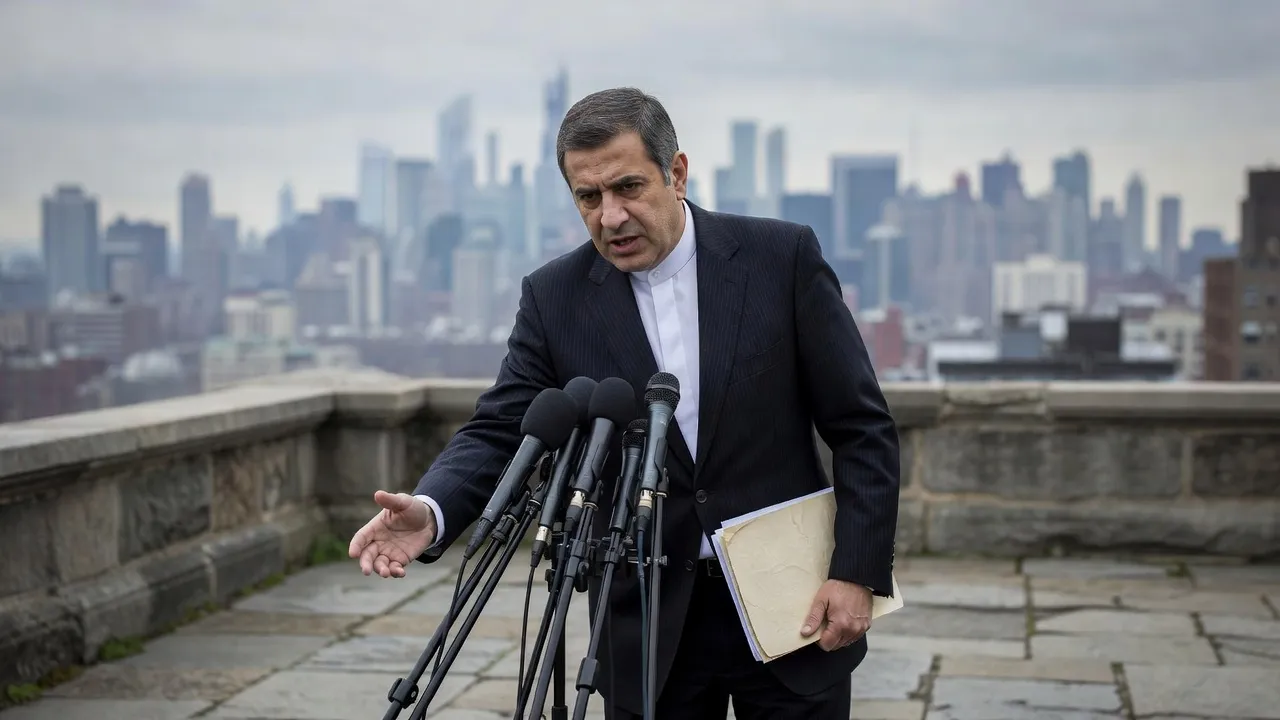
Seoul, September 26, 2026. On the banks of the East River, South Korean diplomacy is playing a two-pronged approach on the Strait of Hormuz issue. On Friday, Iran transmitted a proposal to the United States via mediators to reopen the maritime route in seven days if Washington lifts its naval blockade, waives sanctions on Iranian oil, and respects a ceasefire including Lebanon. Iranian Foreign Minister Abbas Araghchi detailed this plan during a private meeting on the sidelines of the United Nations General Assembly in New York, according to a participant cited by Korea Times, which also reports that Trita Parsi, from the Quincy Institute, sees this as an opportunity for Donald Trump to conclude an agreement before the November midterm elections. The same article notes deep skepticism on both sides, with Saudi Arabia doubting the resumption of these talks, and Iranian Parliament Speaker Mohammad Bagher Qalibaf publicly acknowledging internal divisions in Tehran.
South Korea, for its part, is taking a different stance. On Thursday, it co-signed a joint statement in New York with 79 other countries, including Gulf monarchies and major Western powers, demanding the "immediate reopening" of the Strait of Hormuz and condemning the armed provocations of Iran and its Houthi rebel allies in Yemen, according to KBS World. The text, read by the Bahraini Foreign Minister, calls for a "safe and unimpeded" passage for all ships, in accordance with the United Nations Convention on the Law of the Sea.
But Seoul is not limiting itself to this collective solidarity. According to Korea Pro, South Korean Foreign Minister Cho Hyun met with his Iranian counterpart Araghchi on Wednesday to reiterate that the free and safe passage of all ships "must be guaranteed", while avoiding any commitment to the war in the Middle East. The two ministers also signed a treaty on the transfer of convicted prisoners between the two countries, a sign that the bilateral channel remains open despite regional tensions. For Seoul, which is dependent on energy supplies transiting through the strait, the goal is to influence the outcome without aligning itself with one camp, between collective pressure at the UN and direct diplomacy with Tehran, even as the American press mentions a possible rejection of the Iranian plan by Donald Trump.