
DOMINANT ANGLE
Israel is separating the Iranian offer to reopen Ormuz from the one thing it cares about: the absence of any concessions on the nuclear program.
Dominant angle identified — does not reflect unanimity of this country’s media
KEY POINTS
- 01
A senior Iranian official stated that Tehran will make no concessions on its nuclear program even if the US accepts the plan (Arutz Sheva).
- 02
According to Haaretz, the offer includes lifting the naval blockade, ending oil sanctions, and a ceasefire including Lebanon, in exchange for reopening the Strait of Hormuz within seven days.
- 03
A White House official said Washington is in no hurry, noting that "nearly 22 million barrels of oil left the strait last night" (Jerusalem Post).
ANALYSIS
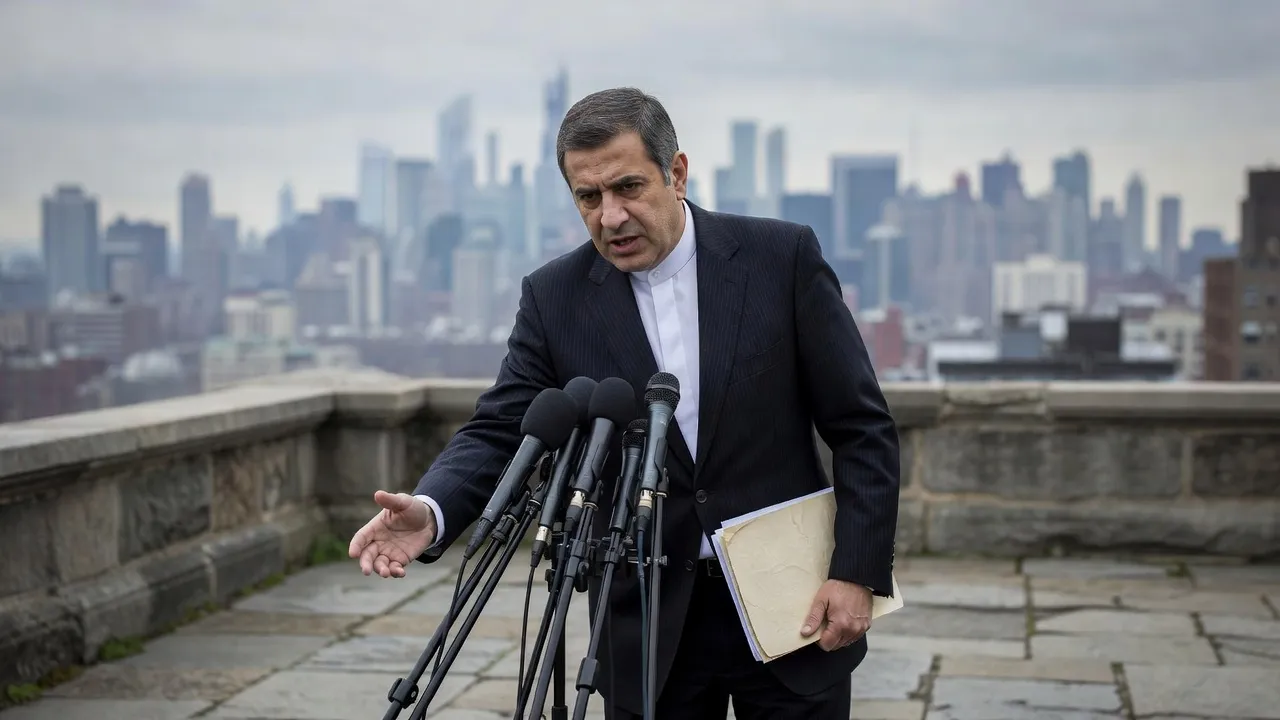
Jérusalem, Saturday, September 26, 2026. The plan presented Friday in New York by Iranian Foreign Minister Abbas Araghchi is occupying the Israeli press, but attention is focused less on the seven-day calendar to reopen the Strait of Hormuz than on what Tehran refuses to include: its nuclear program. A senior Iranian official, quoted by Arutz Sheva, was explicit: "Senior Iranian official says Tehran will not compromise on its nuclear program even if the US accepts Iran's conditions to reopen the Strait of Hormuz." This phrase is being taken as the key to understanding the dossier in Jerusalem.
According to Haaretz, the offer transmitted to the Americans provides for the lifting of the naval blockade of Iranian ports, the end of sanctions on Iranian oil, and a ceasefire including Lebanon, in exchange for the reopening of the strait within seven days of Washington's agreement. This last point - a ceasefire that would encompass the Lebanese front, therefore Hezbollah - is particularly holding attention, as it would directly affect the security balance that Israel has depended on since the beginning of the war, which started nearly seven months ago.
The Jerusalem Post notes that Araghchi linked his proposal to the agreement protocol concluded in June between Washington and Tehran, and that he suggested a political calendar: "I think it would be much better if it is done before the midterm election, but it depends on the US administration to decide." A White House official, quoted by the Financial Times and reported by the Jerusalem Post, responded that Washington "is not in a hurry," specifying that "nearly 22 million barrels of oil left the strait last night" - a sign, for the Israeli press, that the Trump administration has a margin of maneuver that Tehran does not have.
Iranian President Massoud Pezeshkian has also indicated that he wants an agreement before the American midterm elections, a statement read in Jerusalem as an admission of internal pressure rather than a concession. While the Wall Street Journal mentions a rejection of the proposal by Donald Trump, the Israeli press is mainly retaining that nothing in the Iranian offer touches on the nuclear issue - the point on which Israel has been waiting for a gesture since the beginning of the conflict.
SOURCES (3)
- Jerusalem PostMEDIUM
- Arutz ShevaMEDIUM
- Haaretz EnglishMEDIUM