DOMINANT ANGLE
Mexico City is gauging the Ormuz crisis in index points: Wall Street and the Mexican Stock Exchange rose on Friday on hopes of an agreement, while the barrel retreated.
Dominant angle identified — does not reflect unanimity of this country’s media
KEY POINTS
- 01
Friday, the Dow Jones gained 0,93 %, the S&P/BMV IPC 1,13 % and the FTSE-BIVA 1,08 %, on the expectation of an agreement to reopen Ormuz (El Financiero).
- 02
West Texas Intermediate fell 1,91 %, to 92,80 dollars a barrel, a sign of anticipated calm on the oil market.
- 03
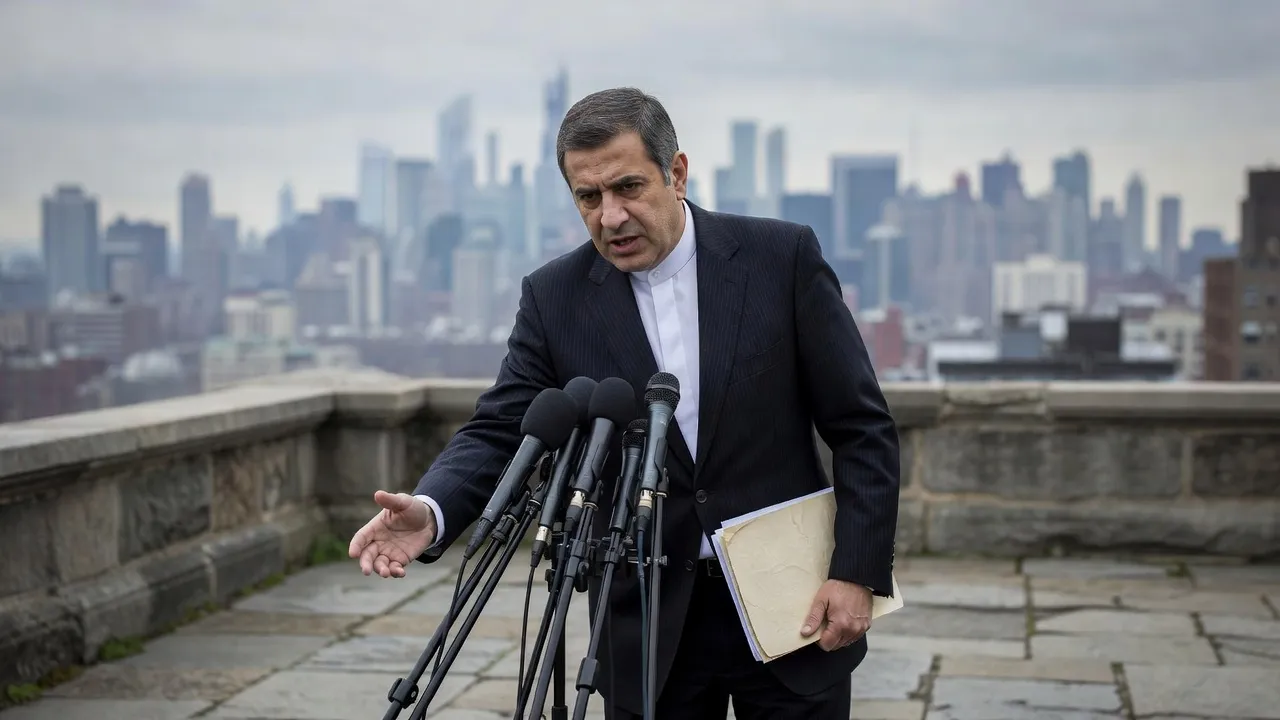
Iranian Foreign Minister Abbas Araghchi presented a proposal in New York to reopen the Ormuz Strait "en un plazo de siete días" (El Norte, AFP).
ANALYSIS
Mexico, September 26, 2026. From Mexico's financial hub, the Ormuz Strait crisis is first reflected in stock market indices. On Friday, the Dow Jones gained 0.93%, to 51,828.62 points, the S&P 500 0.51%, and the Nasdaq 0.48%, driven by expectations of an agreement that would pave the way for the reopening of the Ormuz Strait, reports El Financiero. In Mexico, the local stock exchange followed the trend: the S&P/BMV IPC rose 1.13%, to 64,992.23 points, and the FTSE-BIVA of the Bolsa Institucional de Valores 1.08%, to 1,316.66 points. A sign of the anticipated easing on oil markets, West Texas Intermediate fell 1.91%, to $92.80 a barrel, while Brent also lost ground.
On the diplomatic front, El Financiero recalls that Tehran presented a plan to reopen the strait and resume discussions on its nuclear program, provided that Washington lifts the naval blockade of its ports and reduces military pressure. UN Secretary-General António Guterres asked Iranian President Massoud Pezeshkian on Friday to resolve the conflict "through dialogue and negotiation" and to respect the freedom of navigation in the strait, including "navigation freedoms and rights." He had warned earlier this week that traffic there was "practically paralyzed."
El Norte, citing AFP, confirms that Iranian Foreign Minister Abbas Araghchi presented a proposal to several foreign media outlets in New York to reopen the Ormuz Strait "within a period of seven days." Pezeshkian had defended Iran's willingness to negotiate before the General Assembly on Wednesday, while refusing to give in to military pressure and American sanctions.
For the Mexican press, the stakes are measured first in dollars and index points: before the war, around a fifth of the world's oil and gas transited through this corridor, according to El Financiero. The mere prospect of a compromise, even uncertain on the American side, was enough on Friday to drive up indices and the Mexican stock exchange while causing the barrel to fall, from New York to Mexico.
The stock market rebound is not solely due to the Ormuz file: El Financiero also notes the caution displayed by the Federal Reserve, with analyst Ulrike Hoffmann-Buchardi (UBS) judging that "resilient growth and solid earnings should help markets withstand a moderate adjustment cycle."