
DOMINANT ANGLE
Brasília is deciphering the Iranian announcement in light of the US electoral calendar, with the Brazilian press mainly noting that Trump would wait for the November midterm elections to, according to the Wall Street Journal, resume bombings rather than accept Tehran's plan.
Dominant angle identified — does not reflect unanimity of this country’s media
KEY POINTS
- 01
Abbas Araghchi announced that Iran has transmitted a seven-day plan via Qatar to reopen the Strait of Hormuz on the seventh day if conditions are met
- 02
According to the Wall Street Journal cited by G1, Trump is privately skeptical and told his team that another bombing campaign is likely after the November midterm elections
- 03
Massoud Pezeshkian, interviewed by Fox News, deemed it preferable to have an agreement before the US midterm elections, while saying that before or after would make no difference for Iran
ANALYSIS
Brasília, September 26, 2026. The Brazilian press is detailing developments in the Strait of Ormuz crisis after the publication, on Friday, September 25, of a Wall Street Journal article stating that Donald Trump is set to reject the Iranian plan to reopen the strait and is considering resuming bombings after the US midterm elections in November.
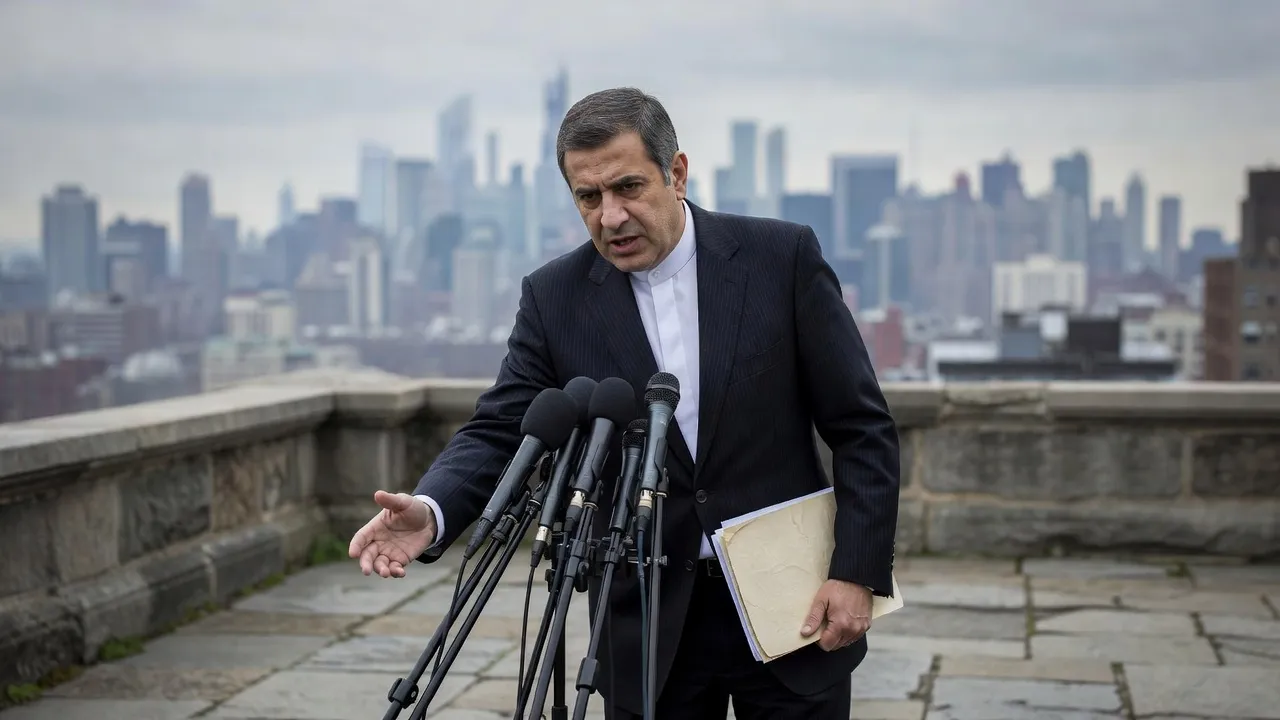
According to G1, citing the WSJ, "in private conversations, Trump is showing skepticism about the possibility that Iran will meet its demands" and has told his team that a new bombing campaign is likely. Iranian Foreign Minister Abbas Araghchi had announced on Friday in New York that Tehran had transmitted to Washington, via Qatar, "a concrete seven-day plan": if the conditions are met, the strait would reopen on the seventh day and normal maritime traffic would resume. "The decision is now up to the United States. Iran does not accept coercion, threats, or intimidation," he added, according to the Jornal de Brasília.
The Folha de S.Paulo recalls that the proposal largely repeats the terms of a memorandum of understanding signed between Washington and Tehran in June, which quickly became a dead letter. A US official cited by the newspaper mentions "positive and constructive conversations" via mediators, while specifying that Washington will not rush into an agreement.
Iranian President Massoud Pezeshkian, interviewed by Fox News, stated that "it's up to the United States to decide if they want to put an end to it" with the war, adding that his country, "pushed by Israel," does not want the conflict to continue. He considered it "preferable" for an agreement to be reached before the US midterm elections, while downplaying: before or after this election, "what difference does it make to us?"
Brazilian media are highlighting the gap between the mutually hostile speeches delivered at the UN on Thursday, September 24 - Trump threatening Iran with "annihilation," Pezeshkian promising that his country will not be intimidated - and the discreet diplomacy behind the scenes, deemed to bring "great advantages" to both sides.
SOURCES (3)
- G1 Globo MundoMEDIUM
- Jornal de BrasíliaMEDIUM