
DOMINANT ANGLE
Helsinki interprets the refusal attributed to Trump through the US electoral calendar rather than the diplomacy of the Strait of Hormuz.
Dominant angle identified — does not reflect unanimity of this country’s media
KEY POINTS
- 01
Araghchi handed over a plan in New York on Friday, via Qatar, providing for the reopening of Ormuz in seven days in exchange for the lifting of the naval blockade, oil sanctions, and the unfreezing of Iranian assets.
- 02
According to government sources cited by the Wall Street Journal (as reported by MTV Uutiset), Trump allegedly told his advisors that he would likely continue bombing Iran after the November midterm elections.
- 03
The June agreement between Washington and Tehran, intended to consolidate the spring ceasefire, collapsed after Iranian attacks on merchant ships accused of having strayed from their route.
ANALYSIS
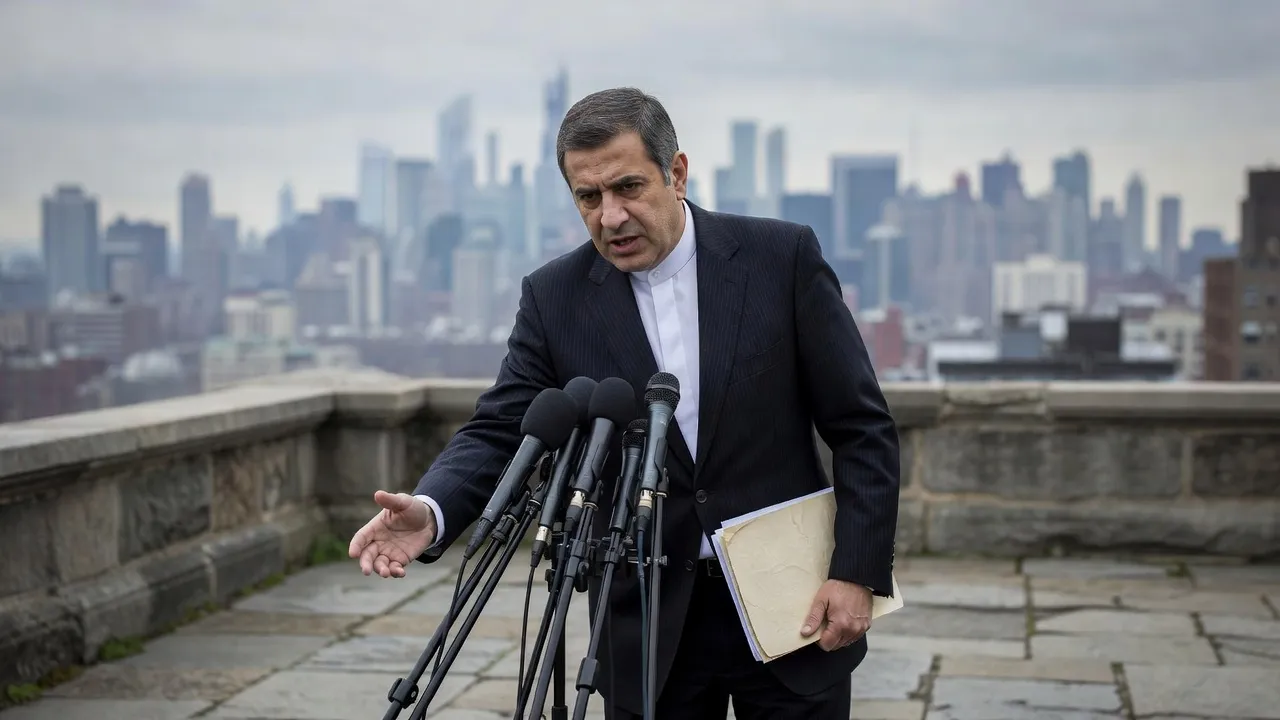
Helsinki, September 26, 2026. For the Finnish press, the fate of the Strait of Hormuz is being decided less in the waters of the Gulf than in the US electoral calendar. MTV Uutiset, citing the Wall Street Journal, reports that President Donald Trump has rejected the Iranian plan transmitted via Qatar, which was supposed to pave the way for a seven-day truce and the reopening of the strait to commercial traffic. According to government sources cited by the American daily, Trump would have indicated to his advisors that he would likely continue the bombings against Iran after the November midterm elections - a detail that MTV highlights as the key to reading the file.
YLE Uutiset, on the other hand, details the content of the plan presented on Friday in New York by Iranian Foreign Minister Abbas Araghchi, on the sidelines of the UN General Assembly. The text, handed over to the United States through Qatar, provides for a cessation of hostilities in the Middle East - including Lebanon - for a week, the unfreezing of Iranian assets, the lifting of oil sanctions, and the end of the US naval blockade on Iranian ports. "I can say that everything is ready, if the American side has a real willingness to reach an agreement," Araghchi said, adding that Tehran would accept "no constraint, no threat, no intimidation".
Maritime traffic remains restricted in this strategic corridor for oil transport since the outbreak of war between the United States, Israel, and Iran at the end of February. YLE recalls that an agreement signed in June between Washington and Tehran, intended to consolidate the ceasefire concluded in the spring, had collapsed after Iranian attacks on merchant ships accused of having deviated from their route.
For Finnish editorial offices, the refusal attributed to Trump illustrates an internal American arbitration more than a geopolitical choice: Washington seems to be calibrating its military calendar to the electoral agenda, delaying any compromise on Hormuz until after the November election. None of the two articles consulted links the episode to Finland's direct energy supply, as the country is little dependent on Gulf oil.