
DOMINANT ANGLE
Brasília is dissecting the conflicting versions of the death of the laboratory worker from Irkutsk and highlighting what is known, what is unknown, and the level of risk assessed by the WHO.
Dominant angle identified — does not reflect unanimity of this country’s media
KEY POINTS
- 01
Daria Shipilova, 28, from the Siberia and Far East Anti-Plague Institute, died in Shelekhov; nearly 200 people are said to have been placed under observation (G1).
- 02
Rospotrebnadzor refers to a "pneumonia of undetermined etiology" and calls a document about health restrictions in Irkutsk false (Veja, Jornal de Brasília).
- 03
Marco Rubio asks Russia to share more information; the WHO is verifying the death and estimates the risk as moderate to low for Irkutsk (G1, Jornal de Brasília).
ANALYSIS
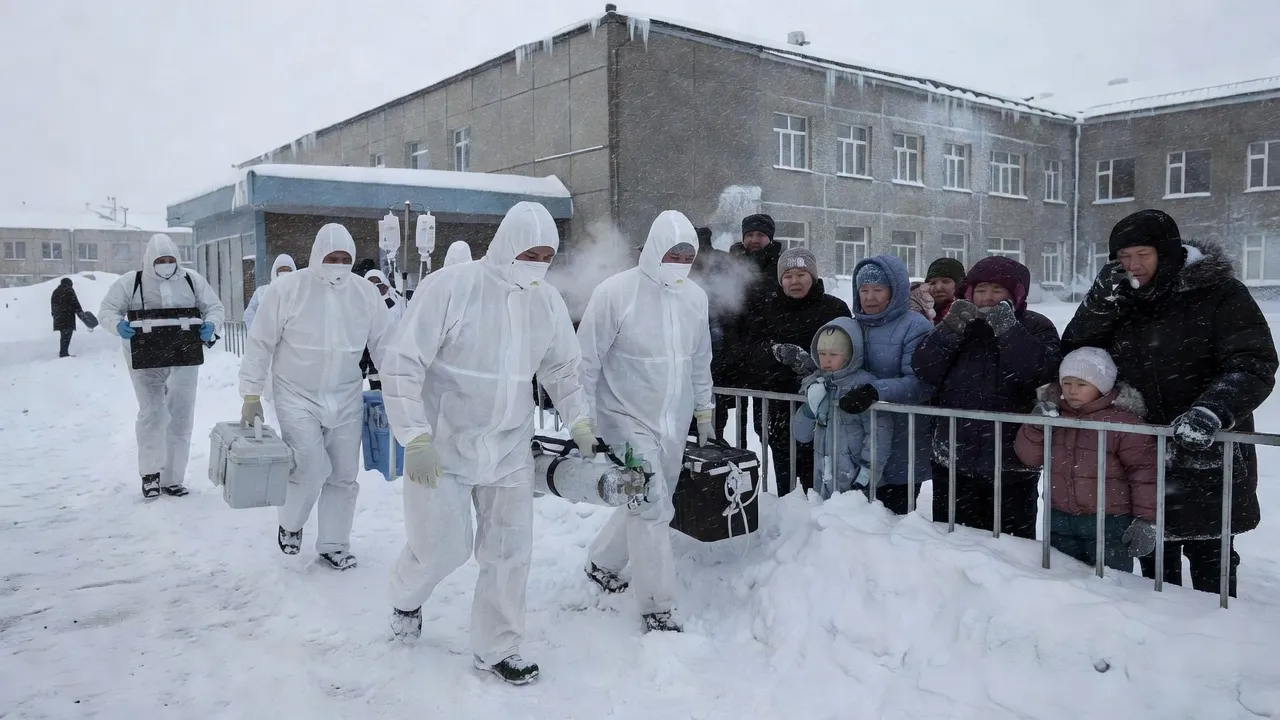
Brasília, October 7, 2026. Brazilian media are covering the Irkutsk case from the angle of "what we know": a health file where versions clash. G1 Globo, which picks up a story from the BBC, reports that Daria Shipilova, 28, an employee of the Siberia and Far East Anti-Plague Institute, died in Shelekhov, near Irkutsk, after being hospitalized in late September. According to testimony, the death occurred on the night of October 2, but the BBC was unable to confirm this.
Veja highlights that the authorities' information is "contradictory". The Rospotrebnadzor agency talks about "pneumonia of undetermined etiology", while a representative of the neighboring Buryatia had mentioned the plague. The governor of the region, Igor Kobzev, claims that no micro-organism related to the patient's professional activity was found in her samples and that no other employee of the institute has been infected. The version of a broken test tube containing Yersinia pestis, put forward by the local press, is not confirmed by the Russian authorities, the magazine notes.
The Jornal de Brasília, via a dispatch, details the denials of Tuesday, October 6: Rospotrebnadzor qualifies as false a document circulating about a tightening of health restrictions, a document "not from official sources", and claims that the situation "remains stable". The same text explains the difference between pulmonary plague, transmitted by droplets, and bubonic plague, transmitted by fleas. During a press briefing in Geneva, the WHO says it is verifying the death with Moscow; its initial assessment speaks of a "moderate to low" risk for Irkutsk.
The diplomatic dimension comes into play: G1 reports that US Secretary of State Marco Rubio judged that it was up to Russia to "share more information with the world", adding that Washington is following the situation "hour by hour". The story also mentions, according to independent media, the quarantine of the hospital, the mandatory wearing of masks in a local aluminum plant, and the cancellation of a major public event in Irkutsk, and reports nearly 200 people under observation.
The tone remains cautious: the three titles repeat that the plague is not officially confirmed and avoid taking a stance between the laboratory accident and pneumonia. The emphasis is on educating about the disease and measuring the risk rather than on the geopolitical controversy.
SOURCES (3)
- G1 Globo MundoMEDIUM
- Jornal de BrasíliaMEDIUM
- VejaMEDIUM