
DOMINANT ANGLE
Lisbon interprets the Irkutsk case from a medical angle: it explains what pulmonary plague is, recalls that it can be treated if addressed early, and relays the "very low" risk for Europe according to the WHO.
Dominant angle identified — does not reflect unanimity of this country’s media
KEY POINTS
- 01
A 28-year-old Russian researcher from the Irkutsk anti-plague institute died early in October of pneumonia of unclear origin (SAPO Notícias).
- 02
The WHO judged on Tuesday, October 6, the risk for Europe to be "very low" (SAPO Notícias).
- 03
Beijing claims to be maintaining "close exchanges and cooperation" with Moscow, and Trump announces a call with Putin "very soon" (RTP Notícias).
ANALYSIS
Lisbon, October 7, 2026. Portugal is addressing the Irkutsk case through health education. SAPO Notícias has dedicated an article to pulmonary plague: how it is transmitted, what symptoms it causes, and what complications it leads to. The title poses the question that the reader is asking, and the text responds through medicine rather than geopolitics.
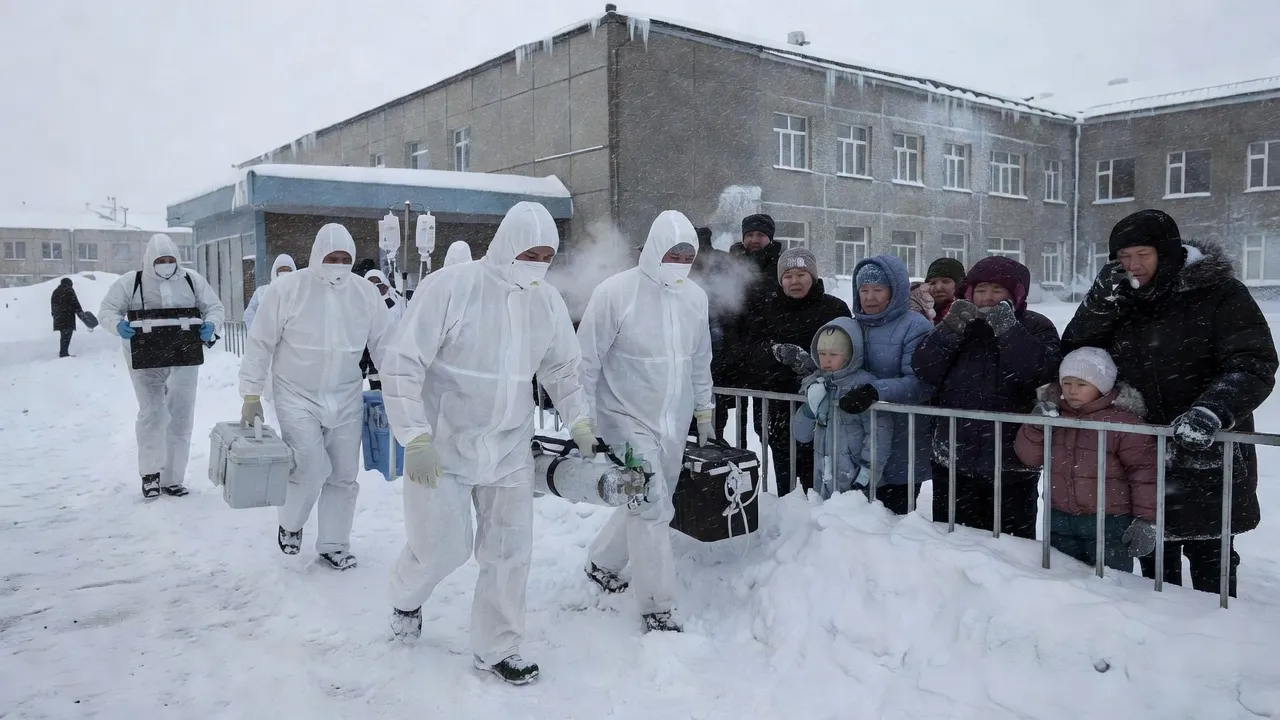
The reported facts are cautious. A 28-year-old Russian researcher died at the beginning of October after pneumonia whose origin "has not yet been clarified". She worked at the Irkutsk anti-plague research institute in Siberia, a structure specialized in the study of plague and other dangerous pathogens. Several people have been quarantined. SAPO notes that the Russian infectious disease surveillance authority has ruled out a possible link with the young woman's professional activity, and that the WHO judged the risk "very low" for Europe on Tuesday, October 6.
The Portuguese media then explains that pulmonary plague is a lung infection caused by the Yersinia pestis bacterium, the rarest and most severe form of the disease, transmissible between people. It emphasizes a reassuring point: antibiotics are effective if administered early, while the disease is almost always fatal without treatment. It distinguishes the bubonic form, the most frequent, transmitted by the bites of infected fleas.
RTP Notícias, on the other hand, shifts the focus to the chancelleries. The public channel reports that Beijing says it maintains "close exchanges and cooperation" with Moscow on the prevention of infectious diseases, according to spokesperson Guo Jiakun. It recalls that Washington issued an alert on Sunday, October 4, and that Donald Trump announced an upcoming call with Vladimir Putin "very soon".
RTP, citing the local Russian press, mentions two hypotheses under study: contamination in Thailand, where the young woman had recently returned from, or the accidental rupture of a test tube containing pathogens at her workplace. It specifies that the independent media Liudi Baikala reported the quarantine of several hospitals in Irkutsk.
In total, the Portuguese coverage remains factual and measured: it does not take up the laboratory leak thesis or the Russian denials without attributing them, and keeps the real risk for Europe as its guiding thread.