
DOMINANT ANGLE
Ottawa is tempering the alert by raising the question of the risk to Canadians: Toronto experts, the WHO, and the Public Health Agency converge on a very low danger, while the cause of death remains to be established.
Dominant angle identified — does not reflect unanimity of this country’s media
KEY POINTS
- 01
The WHO considers the risk "very low" outside of Russia (Global News, CBC).
- 02
The Public Health Agency of Canada states that "no risk to Canada has been identified"; the last human case of plague in the country dates back to 1939 (Toronto Sun).
- 03
Rospotrebnadzor says it found no micro-organisms related to the deceased's work, but two cases of COVID-19 and two of rhinovirus among contacts (Globe and Mail).
ANALYSIS
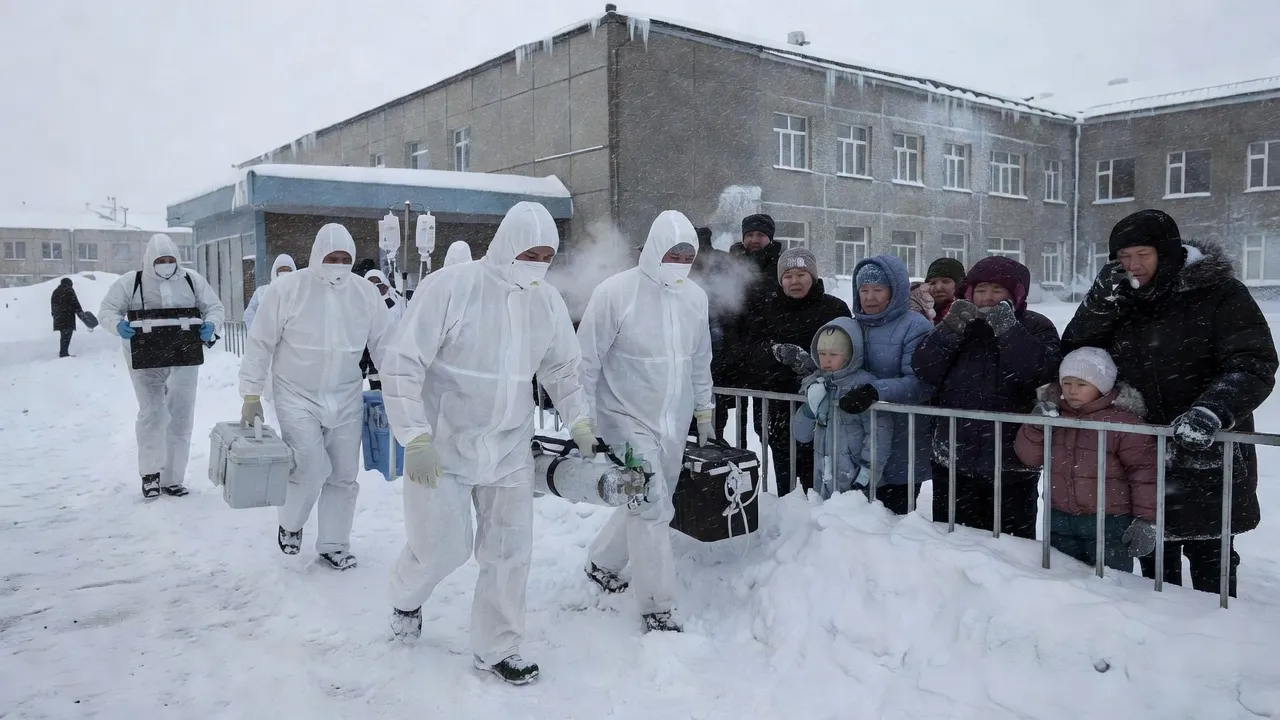
Ottawa, October 7, 2026. The Canadian press is treating the death of the laboratory worker from Irkutsk primarily from the angle of public health, with a central question: should Canadians be worried? The Globe and Mail reports on what is known and what is not. The 28-year-old woman, whom local media have named Darya Shipilova, worked at the Siberia and Far East Anti-Plague Institute. According to the newspaper, she reportedly died of severe pneumonia of unknown origin in a nearby hospital in Chelekhov, and the circumstances remain under investigation.
The Globe quotes Isaac Bogoch, a specialist in infectious diseases at Toronto General Hospital. When an employee of an "anti-plague institute" dies of severe pneumonia, he says, people inevitably think of the plague; but several pathogens are possible and "we simply don't know." Ruling out the plague would be premature until the cause of death is established.
Global News relays the WHO, which judges the risk "very low" outside of Russia, and recalls that pulmonary plague, the most virulent form, is transmitted between humans through respiratory particles, with an incubation period sometimes of 24 hours; recovery is frequent if treatment is early. The article links the case to the memory of the COVID-19 pandemic and the accusations of laboratory origin.
On the Russian side, The Globe reports that Rospotrebnadzor has detected no cases of plague among contacts, nor any micro-organism related to the deceased's work; tests have revealed two cases of COVID-19 and two of rhinovirus. A local official, Elena Sofina, indicates that 60% of people placed in quarantine have already been released.
The Toronto Sun takes a more vivid tone: the laboratory worker would have told her colleagues that she had broken a container of live bacteria on September 25, and more than 200 contacts are in quarantine. Ottawa wants to be reassuring: Federal Health Minister Marjorie Michel says she is following the situation with the WHO, and the Public Health Agency of Canada states that "no risk to Canada has been identified." The last human case of plague in the country dates back to 1939.
CBC adds a political dimension: Donald Trump has announced a call with Vladimir Putin "very soon," mentioning "very deep discussions" with the US intelligence, as the October 18 deadline approaches for potential sanctions against Russian entities.
SOURCES (4)
- Globe and MailMEDIUM
- Toronto SunMEDIUM
- Global NewsMEDIUM