
DOMINANT ANGLE
Doha weighs what is known and what is unknown about the death of the laboratory worker in Irkutsk, aligning the assessments of the WHO and the CDC with the denials of Moscow.
Dominant angle identified — does not reflect unanimity of this country’s media
KEY POINTS
- 01
According to the WHO (Christian Lindmeier), the risk is "moderate to low" for Irkutsk, low for Russia, and very low for the European region.
- 02
The autopsy cited by the institute detected no micro-organisms related to the victim's work, but two cases of COVID-19 and two of rhinovirus.
- 03
Approximately 200 people were placed under observation and 60% of them have already been released, according to Elena Sofina.
ANALYSIS
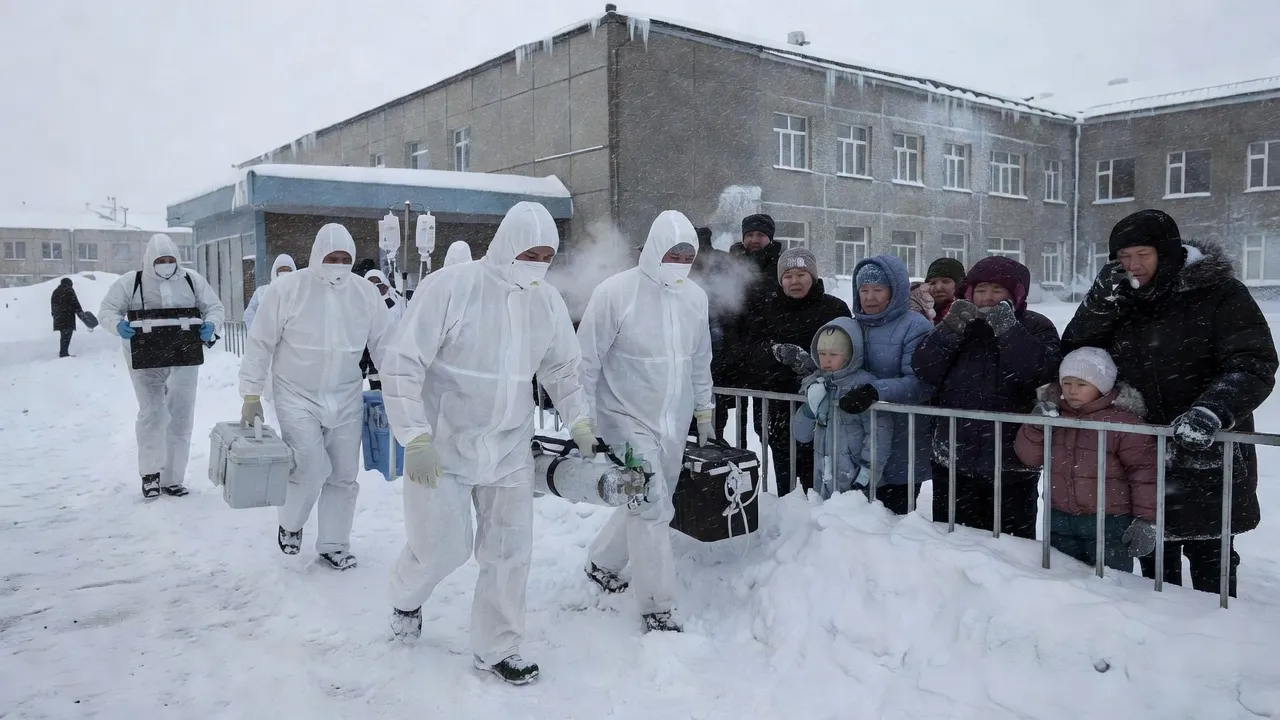
Doha, October 7, 2026. Qatari media is treating the death of a laboratory worker at the Irkutsk anti-plague institute as an ongoing public health issue. Al Jazeera is headlining the story "Should we be worried?" and recalling that the plague remains endemic in Siberia. It identifies the victim, according to Russian media, as Darya Shipilova, 28, who fell ill at work on September 30 and died two days later in a hospital in Shelekhov.
Local media outlet People of Baikal has suggested that she may have contracted pneumonic plague after a test tube broke. Gulf Times lists three accounts circulating on social media (a broken tube, a trip to Thailand, a stay near the Mongolian border) and notes that "there is no public evidence" to support them, nor confirmation of a death from the plague. The newspaper specifies that a regional governor had said she "could" have died from it.
Al Jazeera details the version of the Russian authorities. Rospotrebnadzor claims that no cases of plague have been detected in people who came into contact with the young woman over ten days. The institute indicates that the autopsy revealed no micro-organisms related to her work, but two cases of COVID-19 and two of rhinovirus. Elena Sofina, head of the Shelekhov district, assures that no "dangerous diagnosis" has been confirmed and that 60% of the approximately 200 people under observation have been released. Moscow also denies any anti-plague measures, referring to an unofficial and "unfounded" document.
External arbitration occupies a significant place. Gulf Times reports the assessment of WHO spokesperson Christian Lindmeier: a "moderate to low" risk for Irkutsk, low for Russia, and "very low" for the European region. Al Jazeera cites the US CDC, which recalls that the plague can be treated with antibiotics if detected early.
Al Jazeera Arabic puts more emphasis on the diplomatic dimension: Washington is calling on Moscow to be "transparent" and, according to the Wall Street Journal, which it cites, has signaled that a refusal to provide details contravenes its obligations. Donald Trump announces a call to Vladimir Putin "very soon". Al Jazeera notes that Russian authorities have released few details about the circumstances of the death.