
DOMINANT ANGLE
London weighs the real risk rather than the rumour: the British press explains the pulmonary plague, relays the "very low" judgment of the WHO and notes what Moscow has not yet established.
Dominant angle identified — does not reflect unanimity of this country’s media
KEY POINTS
- 01
The WHO considers the risk outside Russia to be "very low", according to The Independent on October 6.
- 02
Rospotrebnadzor claims that the deceased's contacts are negative and that no micro-organism related to her work has been detected; the official cause remains pneumonia of unknown origin.
- 03
Peskov called for not "listening to various rumors" and to only follow the information from the health service, according to the BBC.
ANALYSIS
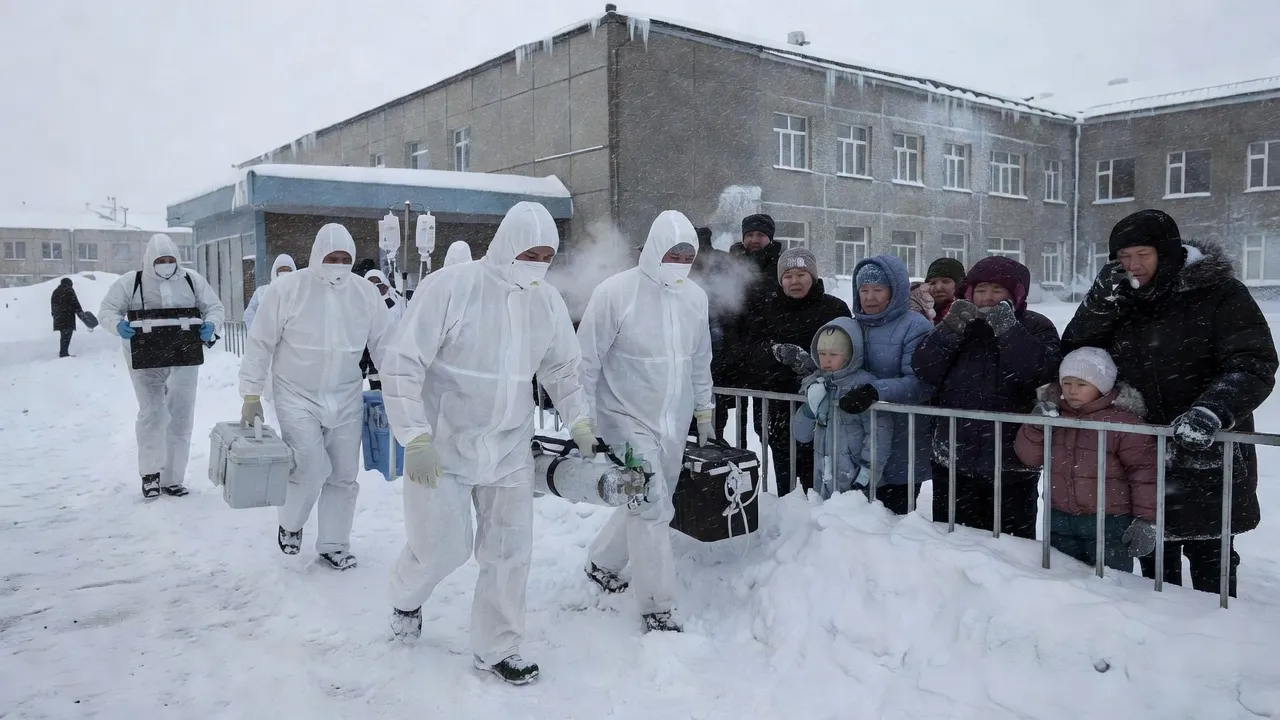
London, 7 October 2026. The British media are addressing the death of a technician at the Siberia and Far East Anti-Plague Institute in Irkutsk from a health perspective. The Independent reports that the World Health Organization deems the risk outside of Russia to be "very low". According to the newspaper, the UN agency indicated on Tuesday, 6 October, that it was in contact with the Russian authorities, who are conducting the investigation into the death that occurred the previous week.
The BBC has dedicated an educational article to pulmonary plague, described as "the most virulent form" of the disease. It quotes Piero Olliaro, a professor at the University of Oxford: the Yersinia pestis bacterium persists in animal reservoirs, and sporadic cases continue to appear. The text places the global number of plague cases, in all forms, between 1,000 and 3,000 per year. It also specifies that the disease heals well if detected in time. The Independent cites the WHO: treatment must be administered within 24 hours of the onset of symptoms.
Regarding the facts, the articles distinguish between what is confirmed and what is reported. Rospotrebnadzor, the Russian health agency, claims that all individuals who came into contact with the deceased have tested negative and that no micro-organism related to her professional activity has been detected. Elena Sofina, deputy head of the Chelekhov district, states that a dangerous diagnosis has not been confirmed, and that 60% of the people placed in quarantine have been released. The Independent attributes to The Kyiv Independent the version of a broken test tube. The BBC notes that it is still unknown what made the young woman ill and that the media have fueled "a flood of speculation".
The political dimension appears in the background. The BBC questioned Kremlin spokesman Dmitri Peskov about Donald Trump's offer of assistance. Peskov invited people not to "listen to various rumors" and to only follow the information from the public health service. The Independent adds that the case revives the memory of Covid-19 and the suspicions of a Chinese laboratory origin, without a definitive answer from the WHO.