
DOMINANT ANGLE
Brussels is gauging the setback dealt to Ukraine: the French-speaking Belgian press is holding on to an American ally that is turning its back on Kiev and sending the bill to the Europeans.
Dominant angle identified — does not reflect unanimity of this country’s media
KEY POINTS
- 01
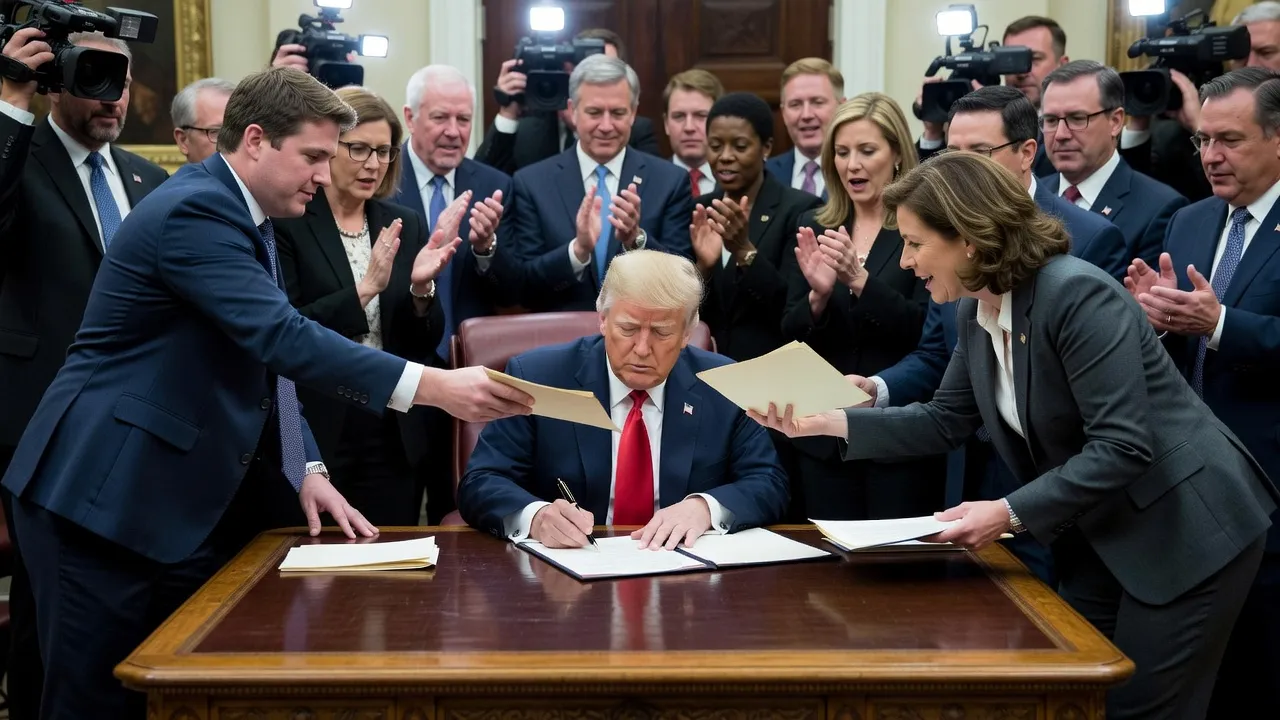
Donald Trump signed a decree on Friday evening exempting Russia from the sanctions and customs duties of the Graham Act, citing the "national interest of the United States".
- 02
The Graham Act, enacted on September 18, targeted Russia's ghost fleet, Vladimir Putin, and opened up customs duties of up to 100% on the five main Russian energy importers.
- 03
Volodymyr Zelensky says he feels "betrayed" and is asking for an additional $70 billion from European allies.
ANALYSIS
Brussels, October 18, 2026. La Libre Belgique and La DH agree on the facts: on Friday evening, Donald Trump signed a decree suspending the application of a large package of sanctions against Russia, provided for by a law recently adopted by Congress. The text, promulgated on September 18, bears the name of Republican Senator Lindsey Graham, who died in July, "a staunch defender of Ukraine". The decree states: "I exempt the application of such sanctions, restrictions and customs duties provided for in the Graham Act", in the name of "the national interest of the United States".
La Libre emphasizes the symbolic scope of the gesture. The Graham Act was the first major action by Congress against Moscow since Donald Trump's return to power. It targeted the Russian energy sector, aimed at the ghost fleet for the first time, as well as Vladimir Putin and other high-ranking officials. It also allowed for customs duties of up to 100% on the five main importers of Russian gas and oil, including China and India. The newspaper speaks of "a new setback for Ukraine, which fears being abandoned by its American ally".
The Belgian account then sides with Kiev. According to La Libre, Volodymyr Zelensky, "shaken" by the recent announcements favorable to Moscow, did not hide his feeling of being "betrayed" and turned to his European allies, to whom he is demanding an additional $70 billion to cope with the Russian invasion. The financial burden thus falls on Europe, an angle that speaks directly to the Belgian readership.
La DH broadens the reading to American policy. It recalls that the president, whom it describes as "rather conciliatory with the Kremlin", announced a controversial agreement with Moscow for the massive purchase of Russian diesel. The newspaper links this shift to two factors: the midterm elections, which are less than three weeks away and are deemed crucial for the rest of his term, and the desire to relieve American consumers, as fuel prices have soared after the US-Israeli attack on Iran at the end of February.
The two newspapers cite the White House statement as their primary source. Neither develops the reaction of the Kremlin nor the criticism of American parliamentarians; attention is focused on the fate of Ukraine and the expected response from Europeans.