
DOMINANT ANGLE
Singapore is gauging the suspension of sanctions in terms of oil, diesel, and the US midterm elections, long before its impact on the Ukrainian battlefield.
Dominant angle identified — does not reflect unanimity of this country’s media
KEY POINTS
- 01
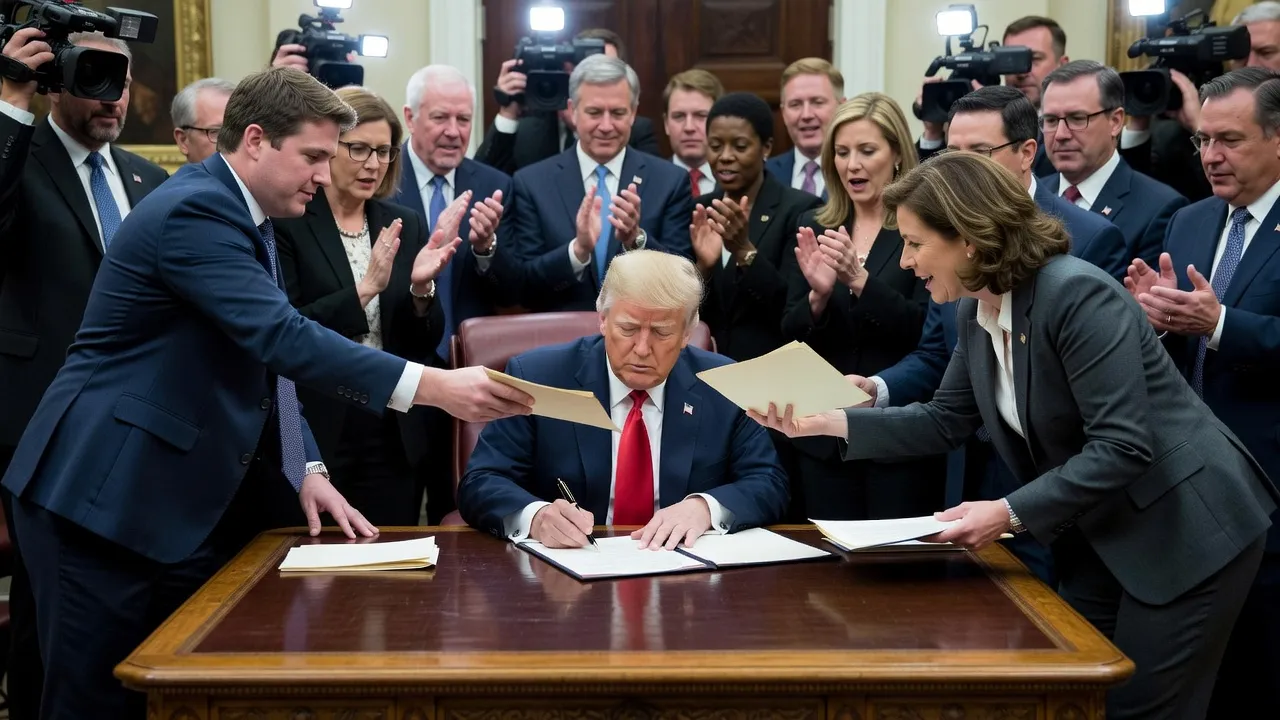
The decree signed on Friday, October 16, suspends customs duties of up to 100% on the five largest importers of Russian oil or gas, as provided for by the Graham law promulgated in September.
- 02
According to Channel News Asia, the decision follows a Trump-Putin agreement: easing sanctions on more Russian diesel on global markets.
- 03
On Saturday, October 17, Zelensky wrote that the measure "only helps the Russians" and reported more than 15 Ukrainian power sites hit on Friday.
ANALYSIS
Singapour, 17 October 2026. Singapore's capital is abuzz with the news that on Friday, 16 October, Donald Trump signed a decree suspending the bulk of the sanctions and customs duties provided for by the Graham law, just before they were due to come into effect the following week. The text, promulgated by the president in September, targeted Russia's energy and defense sectors, Vladimir Putin and other leaders, as well as the "ghost fleet" of oil tankers used to circumvent Western sanctions. It provided for duties of up to 100% on the five largest importers of Russian oil or gas.
The Straits Times reproduces the White House's justification: the suspension is in the "national interest of the United States". The daily notes especially the energy context. With just a few weeks to go before the midterm elections, where Republicans are defending a narrow majority in both houses, the new measures "could have driven up oil prices even further", at a time when Americans are already suffering from increased costs, largely attributed to the American-Israeli war against Iran. It also notes that countries like India had expressed concerns about the text.
Channel News Asia anchors the story in a tense market. According to the agency, the decision follows an agreement between Trump and Putin: a relaxation of sanctions in exchange for significant volumes of Russian diesel being put back on the global market. It mentions oil shortages and price hikes born of the war in Iran, which create headwinds for the Republican Party.
The Ukrainian dimension comes second. CNA talks of a "new low" in relations between Washington and Kiev, at a time when Volodymyr Zelensky was asking European leaders for nearly $80 billion in additional funds for next year. On Saturday, 17 October, Zelensky said on X that the decision "seems wrong" and that it "only helps the Russians". He stated that Russia had struck more than 15 electricity production and transport sites on Friday, and said he feared an intensification of strikes in the west of the country.
Both titles recall that Trump is getting closer to Moscow while publicly criticizing the Ukrainian president, even suggesting that Kyiv might need a new leader. Neither of them develops the reaction of Congress or that of the Asian capitals that are major importers of Russian crude.