
DOMINANT ANGLE
Brasília is gauging the impact of the invitation extended by Washington to Vladimir Putin for the G20 in Miami, having presided over the summit two years ago, and sees it as a test of diplomatic method rather than a step towards peace in Ukraine.
Dominant angle identified — does not reflect unanimity of this country’s media
KEY POINTS
- 01
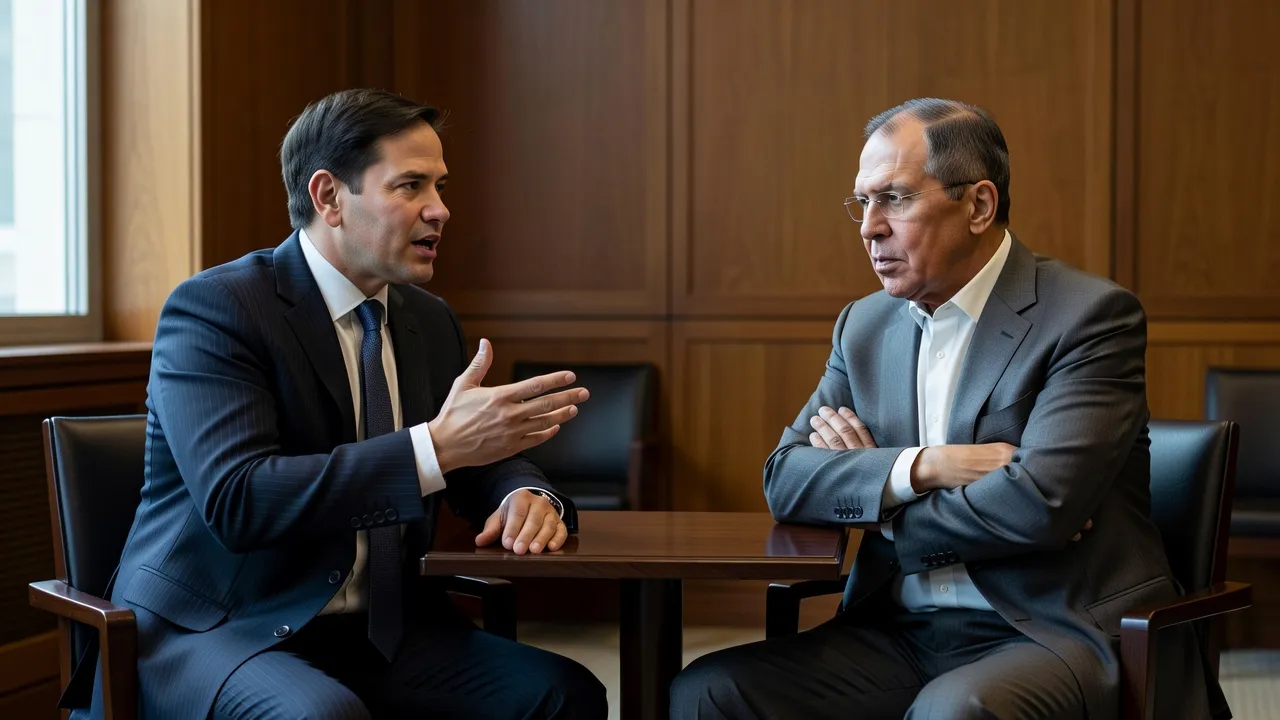
Marco Rubio handed over the invitation to the G20 in Miami (December 14-15) to Sergey Lavrov on Wednesday, September 23, on the sidelines of the UN General Assembly in New York
- 02
Zelensky said on Tuesday, September 22, that he is ready to stop strikes against Russian energy infrastructure if Moscow does the same, while saying he is unaware of the Russian position
- 03
In his September 23 speech at the UN, Zelensky accused Russia of having citizens of 47 countries fight, citing India, Cuba, and South Africa
ANALYSIS
Brasília, September 24, 2026. The Brazilian press is closely following the invitation extended by Washington on Wednesday to Vladimir Putin for the G20 summit to be held on December 14 and 15 in Miami. According to the Folha de S.Paulo, US Secretary of State Marco Rubio handed over the invitation to his Russian counterpart Sergey Lavrov on the sidelines of the United Nations General Assembly in New York, stating that "if Putin accepts, he will have the chance to discuss with Trump". The Kremlin, according to the same source, had earlier said it was "ready" for such a meeting, without directly commenting on the invitation.
The newspaper recalls that this would be the second meeting between the two leaders since Trump's return to the White House, after the symbolically charged military summit held in Alaska in August - an episode where the US President had taken up a significant part of Russia's rhetoric on the war in Ukraine, without concrete results. Rubio also mentioned the possible presence of Chinese leader Xi Jinping, who arrived in Washington this week, Beijing having, according to Moscow, sought to organize a tripartite meeting last month.
For Brasília, which hosted the G20 two years ago, this episode illustrates how the format remains hostage to bilateral balances rather than the multilateral issues it is supposed to address. The local press also relays the statements of Volodymyr Zelensky, who said on Tuesday that he was "ready" to stop strikes against Russian energy infrastructure if Moscow does the same, while acknowledging that he is unaware of Russia's position. The Jornal de Brasília notes that Trump had announced an agreement between Kiev and Moscow on this point last week, which was later denied by both capitals.
The G1 reports on Zelensky's speech to the United Nations General Assembly on Wednesday, accusing Russia of forcing citizens of 47 countries, including India, Cuba, and South Africa, to fight, and stating that Moscow has conquered just over 1,000 km² of Ukrainian territory this year. For Brazilian diplomacy, which is accustomed to catering to Moscow within the BRICS while defending dialogue, the G20 invitation confirms that Washington intends to make the Miami summit an instrument of its own negotiation with Russia, rather than a neutral platform between powers.