DOMINANT ANGLE
Kathmandu sees Xi Jinping's state visit to Washington as a showdown over arms sales to Taiwan rather than a simple resumption of dialogue
Dominant angle identified — does not reflect unanimity of this country’s media
KEY POINTS
- 01
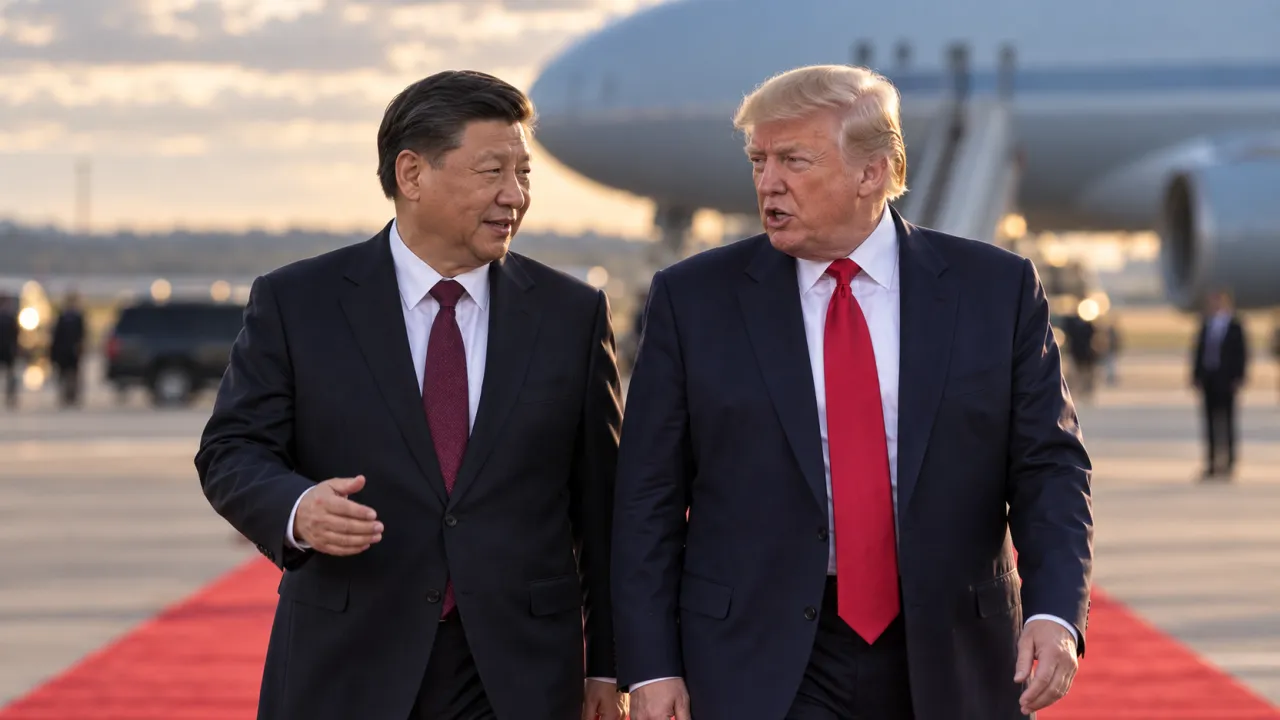
Xi Jinping is making a three-day state visit to Washington from September 23 to 25, at the invitation of Donald Trump, six months after hosting the latter in Beijing
- 02
According to three sources cited by Reuters via the Kathmandu Post, Xi is expected to press Trump to end arms sales to Taiwan, citing the 1982 third joint communiqué, possibly at the US National Archives
- 03
The memo from Ronald Reagan accompanying this communiqué conditioned the reduction of arms sales on "China's continued commitment to a peaceful solution", and China has intensified its military activities around Taiwan over the past five years
ANALYSIS
Katmandou, 23 September 2026. Nepal's press is primarily scrutinizing the military aspect of the three-day state visit that Xi Jinping is starting this Wednesday in Washington, at the invitation of Donald Trump, from 23 to 25 September — an exchange of visits completed just six months after Trump's reception in Beijing in May. The Kathmandu Post, citing three sources close to the preparatory discussions reported by Reuters, asserts that Xi Jinping should press his host to put an end to American arms sales to Taiwan, relying on the third of the three "joint communiqués" signed in 1982 — a text that Beijing could invoke even within the symbolic premises of the US National Archives. The newspaper recalls the terms of this communiqué, by which Washington then stated its intention to gradually reduce its arms sales to Taiwan and not to seek to prolong them indefinitely. But a memo accompanying this text, written by President Ronald Reagan, conditioned this reduction "absolutely" to "China's continued commitment to a peaceful solution" to the differences with Taiwan — a clause that the daily highlights in its reading of the file. The Kathmandu Post also notes that China has significantly intensified its military activity around the island over the past five years, with maneuvers including real missile launches, and that its armed forces now operate there almost daily, while Taipei continues to reject Beijing's sovereignty claims. The Rising Nepal, quoting an Xinhua dispatch, prefers the register of strategic stability: it cites Xi Jinping wondering about the ability of the two powers to "overcome the Thucydides trap" and build "a new paradigm for relations between great powers", the Chinese leader estimating that the Pacific is "large enough to accommodate China and the United States". Between these two readings, Nepal's press retains above all that Washington remains, by law, bound to provide Taiwan with the means to defend itself, despite the absence of formal diplomatic relations — the point on which, according to it, the concrete outcome of the summit will be played out.
SOURCES (2)
- The Kathmandu PostMEDIUM
- The Rising NepalMEDIUM