
DOMINANT ANGLE
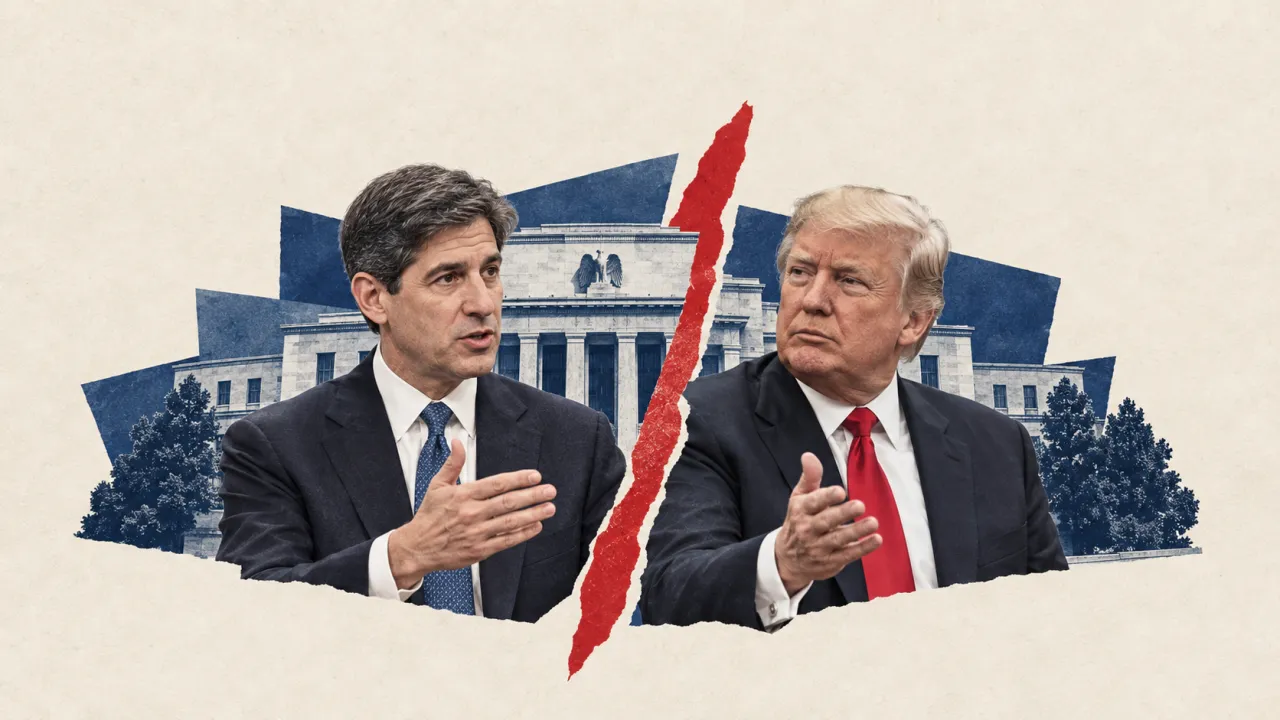
Ottawa is watching the unprecedented showdown between Kevin Warsh, a central banker appointed by Donald Trump himself, and the President who is now demanding the opposite of his decision.
Dominant angle identified — does not reflect unanimity of this country’s media
KEY POINTS
- 01
The Fed raised its target rate by a quarter point to 3.75%-4.00% on Wednesday, its first hike since 2023, under the presidency of Kevin Warsh, appointed by Trump in May.
- 02
Donald Trump called for rates to be cut to 1% or less "AND FAST" on Truth Social; advisor Peter Navarro termed the hike a "bad decision".
- 03
TD Economics (Thomas Feltmate) notes that the decision comes as US inflation reached 3.4% in August and oil prices have risen; investors had priced in over a 90% probability of action.
ANALYSIS
Ottawa, September 17, 2026. The US Federal Reserve raised its benchmark interest rate by a quarter of a point on Wednesday, to a range of 3.75% to 4.00%, its first increase since 2023. Canada's economic press first notes the confrontation: CBC News reports that the Fed acted in "defiance of Trump's demands for a cut", and Financial Post mentions a decision made "in defiance" of the US President.
The choice is all the more commented on in Canada as it comes from Kevin Warsh, the man Donald Trump himself appointed to head the institution in May. Yet it is this same Warsh who, in a press conference, judged that "the fact is simple: inflation is too high, and for too long". A notable about-face for a central banker who, before his appointment, was rather evoking rate cuts, in line with the President.
The expected reaction from the White House: Donald Trump called for rates to be cut to 1% or less, "AND FAST", on Truth Social, while advisor Peter Navarro described the increase as a "bad decision". The committee's projections suggest a new increase by the end of the year, to a range of 4.00%-4.25%.
For economists cited by Financial Post, the measure was widely anticipated. Thomas Feltmate, of TD Economics, notes that the decision comes as oil prices have risen and US inflation reached 3.4% in August, a context that made the status quo risky for the Fed's credibility, in his view. Investors had already factored in a more than 90% probability of action this week, and a new increase before the end of the year.
What Canadian coverage details little, on the other hand, are the quantified repercussions for the Canadian economy itself: the articles mention the borrowing costs for American mortgages, car loans, and credit cards, without advancing an equivalent for the rates or the policy of the Bank of Canada. The preferred angle remains that, very American, of an institutional showdown in Washington, seven weeks from the midterm elections where affordability has become a central issue.
SOURCES (3)
- Globe and MailMEDIUM
- Financial PostMEDIUM