
DOMINANT ANGLE
Mexico City separates the independence claimed by Banxico from the actual margin, now reduced, that the Fed's rate hike leaves it.
Dominant angle identified — does not reflect unanimity of this country’s media
KEY POINTS
- 01
The Fed raised its target rate by 0.25 point to a range of 3.75%-4.00%, its first hike since 2023, unanimously voted under the presidency of Kevin Warsh
- 02
Economist Gabriela Siller (Banorte) notes, as quoted by Vanguardia, that Mexican monetary policy is independent but the Fed's hike "quita espacio para recortes de tasa en México"
- 03
Donald Trump demanded on Truth Social an American rate "of 1% or less" and threatened to cut off trade with countries with a surplus if the Fed did not lower its rates, according to El Informador
ANALYSIS
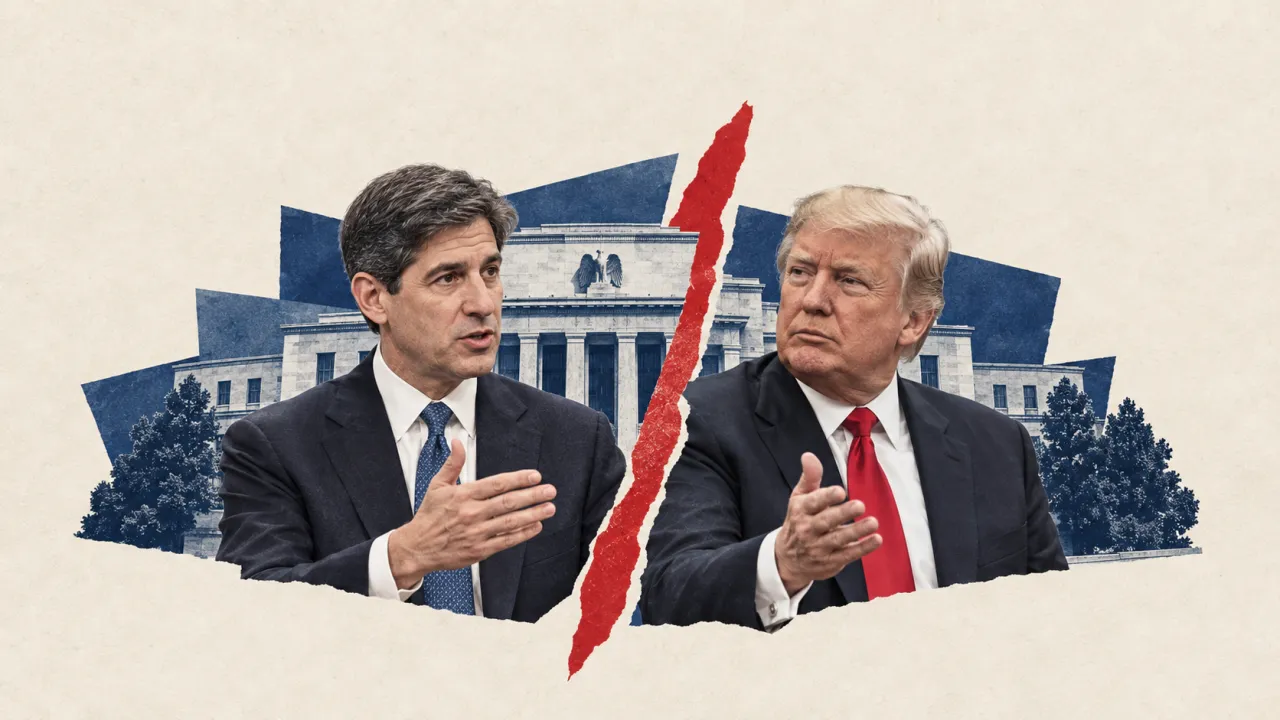
Mexico, September 17, 2026. The US Federal Reserve raised its benchmark interest rate by a quarter of a point on Wednesday, to a range of 3.75% to 4.00%, its first increase since 2023. The decision, unanimously voted by the committee chaired by Kevin Warsh, appointed by Donald Trump, opens according to the Mexican press an unprecedented dispute between the president and the institution he himself chose. Reforma highlights that Warsh took office in May promising to put an end to an overrun of the 2% inflation target "now in its sixth year", and that he maintained the widely anticipated rate hike, despite expected tensions with the White House.
On Truth Social, Donald Trump replied that "interest rates in the US should be 1% or less, because we have the best credit rating in the world", reports El Informador. The president also threatened countries with a trade surplus with Washington to break off trade if the Fed did not lower its rates - a pressure that comes six weeks before legislative elections where he is playing for control of Congress.
For Mexico, the issue is direct. Vanguardia quotes economist Gabriela Siller, from Banorte, who recalls that "Mexico's monetary policy is independent of that of the US", but that the Fed's rate hike "takes away space" for new rate cuts at Banxico. The dominant expectation remains that the Mexican central bank will keep its rate unchanged this year, while monitoring the gap with the US reference, the only bulwark against a flight of capital to better-paying dollar assets.
Most Fed officials still forecast another rate hike before the end of the year, which would prolong the pressure on emerging central banks that finance part of their debt in dollars. For Mexico, the question is not only that of the rate differential: it is also the cost, in the medium term, of maintaining a sufficient premium in the face of a more remunerative dollar, without giving in to Washington's call to lower its own rates before Banxico. The formal independence of the Mexican central bank thus comes up, in fact, against an imported constraint.