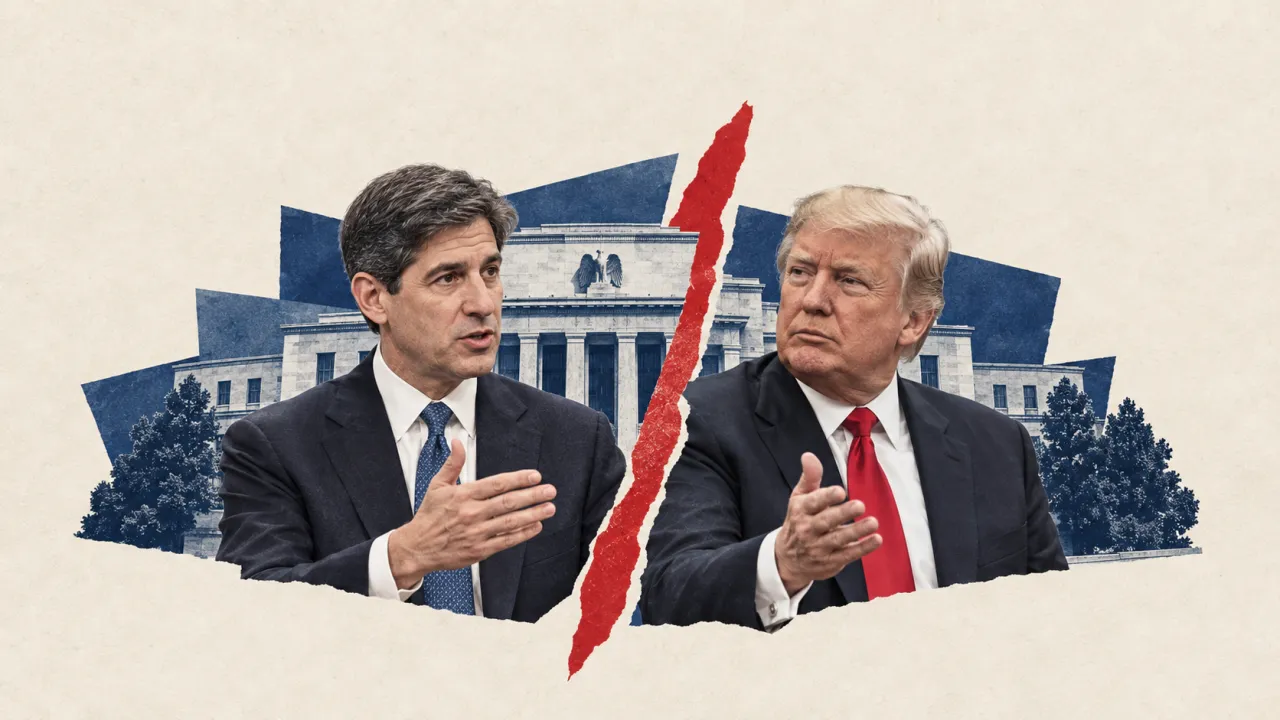

DOMINANT ANGLE
Kuala Lumpur is measuring the combined shock of the rise in American rates and the oil surge on already tense Asian markets, while watching the open confrontation between Trump and Warsh.
Dominant angle identified — does not reflect unanimity of this country’s media
KEY POINTS
- 01
The Fed raised its target rate by 25 basis points to 3.75%-4.00%, its first hike since 2023, voted unanimously.
- 02
Trump demanded on Truth Social rates of "1% or less" and claims to have told Warsh to "vote with the board".
- 03
16 of the 18 Fed officials anticipate another quarter-point hike by the end of 2026, versus two predicting a status quo.
ANALYSIS
Kuala Lumpur, September 17, 2026. Malaysia's press is viewing the decision by the US Federal Reserve as an additional shock to already nervous Asian markets. On Wednesday, the Fed raised its benchmark rate by 25 basis points, to a range of 3.75% to 4.00%, its first hike since 2023, unanimously decided under the presidency of Kevin Warsh. Even before the vote, the Malay Mail noted that Asian stocks had struggled in anticipation of the announcement, hindered by persistent inflation and the surge in oil prices linked to the crisis in the Middle East, with crude oil remaining above $100 a barrel. Investors had largely anticipated the move: traders gave over 90% chance of a tightening, the daily recalls, also highlighting the rise in yields on 10-year US Treasury bonds above 5%, a level unseen since 2007, before the global financial crisis.
Warsh defended his decision as "sober, serious and responsible", judging inflation to be "too high for too long". The new projections show that 16 of the 18 officials anticipate at least one more quarter-point hike by the end of the year, versus two who see rates remaining stable.
The reaction of Donald Trump is occupying a large space in Malaysian coverage. The US President demanded on Truth Social that rates be lowered "to 1% or less, because we are the best credit in the world — BY FAR", hammering: "LOWER INTEREST RATES FOR THE UNITED STATES, AND FAST!" The Vibes reports that he claimed to have personally called Warsh to tell him to "vote with the council", describing the latter as "very hostile" and "very political" — an intervention that Warsh did not confirm.
For Kuala Lumpur, this open confrontation between the White House and a Fed it itself appointed is fueling the uncertainty that already weighs on regional markets: a higher and longer-than-expected US monetary trajectory, combined with high oil prices, complicates the outlook for Southeast Asia's export-driven economies, while Malaysia observes whether Washington will see its tightening through or yield to presidential pressure.