
DOMINANT ANGLE
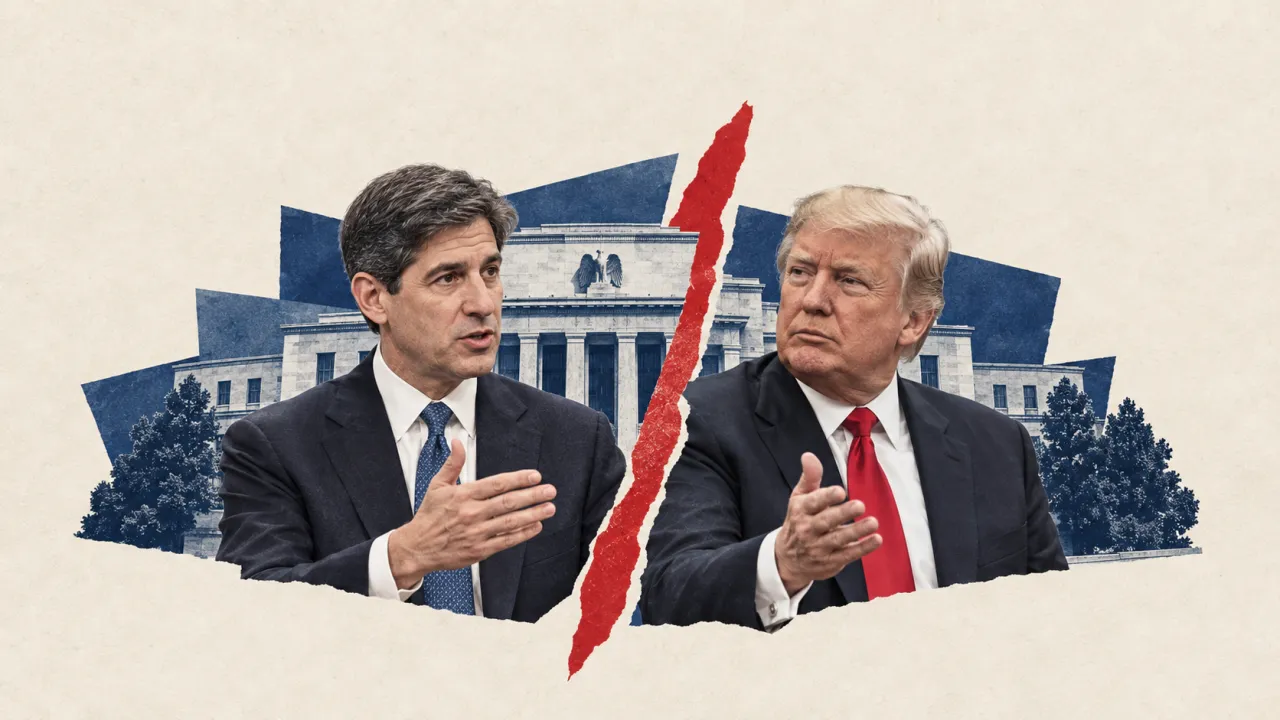
Doha is gauging the Fed's rate hike in light of the oil price, presented by Qatari media as the main driver of American inflation rather than simply a Trump-Warsh showdown.
Dominant angle identified — does not reflect unanimity of this country’s media
KEY POINTS
- 01
The Fed raised its target rate by a quarter of a point, to a range of 3.75% to 4.00%, the first increase in more than three years
- 02
16 of the 18 Fed officials expect at least one more rate hike by the end of 2026, bringing the rate to 4.00-4.25%
- 03
The CME FedWatch indicator showed a 92.3% chance of this increase according to Al Jazeera, compared to a lower probability a week earlier
ANALYSIS
Doha, September 17, 2026. Qatari media is focusing less on the duel between Donald Trump and the Federal Reserve than on what made it inevitable: the oil shock born out of the American-Iranian war. Gulf Times emphasizes that "the combined impact of Trump's global tariffs, an energy shock following the outbreak of the American-Israeli war against Iran, and investment spending related to the artificial intelligence boom" has maintained pressure on prices at a level such that the Fed had to raise its benchmark rate by a quarter point, to a range of 3.75% to 4.00%. Al Jazeera points to the same cause: inflation fueled by "the surge in fuel prices in the midst of the American-Iranian war".
This is the first increase in over three years, decided unanimously under the presidency of Kevin Warsh, appointed by Trump with the expectation that he would lower rates. Gulf Times notes that this unanimous vote implicitly recognizes "the Trump administration's inability, so far, to control inflation". The new projections show that 16 of the 18 officials anticipate at least one more quarter-point increase by the end of the year, bringing the rate to a range of 4.00% to 4.25%, with stability expected until the end of 2027. The committee writes that "today's policy action will support a faster return to the 2% target".
The calendar adds a political dimension that Qatari media notes without developing it: the decision comes just a few weeks before the American midterm elections, despite Trump's repeated demands for easing. Al Jazeera recalls that the CME FedWatch indicator gave a 92.3% chance of a rate hike to 3.75-4.00%, compared to a lower probability a week earlier.
For Doha, whose economy remains tied to global gas and oil flows, the message retained by its media is that of an American central bank prioritizing price stability over presidential pressure, in a context where the barrel remains under tension since the opening of the Iranian front.