
DOMINANT ANGLE
Singapore gauges the Asian shockwave of the Fed's rate hike, amidst pressured currencies, falling bond yields and regional stock markets that rise nonetheless
Dominant angle identified — does not reflect unanimity of this country’s media
KEY POINTS
- 01
The Fed raised its target rate by 25 basis points, to 3.75-4.00%, the first hike since 2023, by a unanimous vote of the FOMC
- 02
Asian markets (Tokyo, Seoul, Singapore, Taipei, Wellington, Jakarta) opened higher on Thursday despite the hike, helped by a partial restart of Saudi oil capacity
- 03
Donald Trump called for a rate of "1% or less" on Truth Social, writing "LOWER THE INTEREST RATES FOR THE UNITED STATES OF AMERICA, AND FAST!"
ANALYSIS
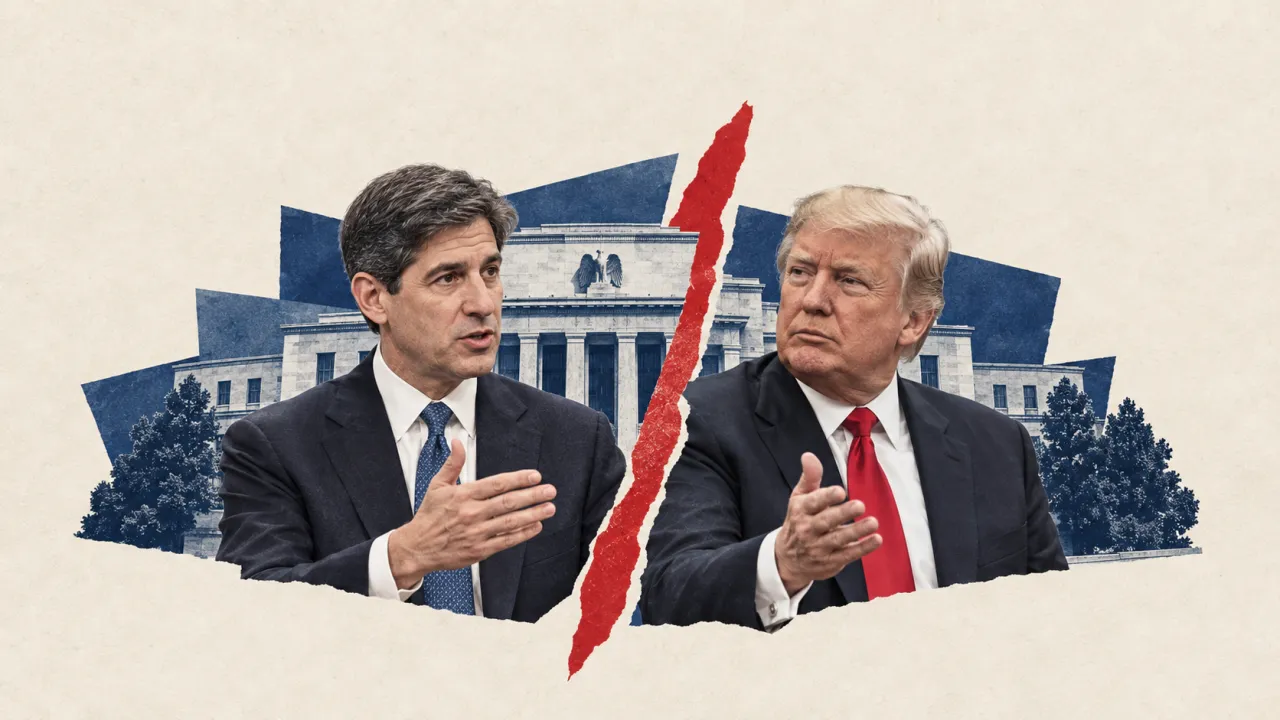
Singapour, September 17, 2026. The US Federal Reserve raised its benchmark interest rate by 25 basis points on Wednesday, to a range of 3.75% to 4.00%, its first hike since 2023. The vote by the Monetary Policy Committee was unanimous, under the chairmanship of Kevin Warsh, appointed by Donald Trump. "The fact is simple: inflation is too high, and has been for too long," he said, describing the decision as "serious". The Singaporean press, via Channel News Asia, emphasizes the regional scope of the move: a rise in US interest rates can strengthen the dollar, weigh on Asian currencies, and force the region's central banks to adjust their own policy.
Channel News Asia recalls that the Fed is targeting inflation of 2% as measured by the personal consumption expenditure index, a target exceeded for more than five years, and that the August consumer price index, published last week, has reignited concerns. The majority of committee members anticipate at least one more rate hike before the end of the year; markets now put the probability of a rate hike in October at 50-50.
Despite the firm message, Asian stock markets opened higher on Thursday: Tokyo, Seoul, Singapour, Taipei, Wellington, and Jakarta all made gains. Channel News Asia attributes this paradox to two factors: the relief of investors, who see the rate hike as a guarantee of the central bank's credibility, and the announcement of a partial restart of Saudi oil capacity after the closure of a pipeline targeted by drone attacks. Long-term bond yields, which had reached 20-year highs this week, fell back.
Donald Trump reacted angrily, demanding on Truth Social a rate "of 1% or less" and repeating "LOWER INTEREST RATES... AND FAST!". He claimed to have spoken to Warsh, advising him to "vote with the council" which he considers "very hostile" and "very political". The Straits Times notes that the president wrongly links the US trade deficit to the level of interest rates set by the central bank, and that he has threatened in the past to cut off trade with countries with a trade deficit if the Fed does not lower its rates.
For the city-state, whose open economy is closely dependent on capital flows and regional trade, the issue is not so much the outcome of the standoff between Trump and the Fed, but the trajectory of the dollar and its effect on Asian currencies and markets in the coming months.
SOURCES (2)
- Straits TimesMEDIUM