
DOMINANT ANGLE
Seoul is measuring the gap in rates that has grown with Washington, now up to a full percentage point, and the pressure this hike is putting on the Bank of Korea to follow suit by the end of the year.
Dominant angle identified — does not reflect unanimity of this country’s media
KEY POINTS
- 01
The FOMC raised its benchmark rate to the range of 3.75%-4.00%, by a unanimous vote of twelve to zero (Yonhap).
- 02
The gap between the key rates of South Korea and the United States now reaches up to one percentage point (Yonhap).
- 03
KBS World reports that the US hike has sparked speculation about an upcoming rate increase by the Bank of Korea before the end of the year.
ANALYSIS
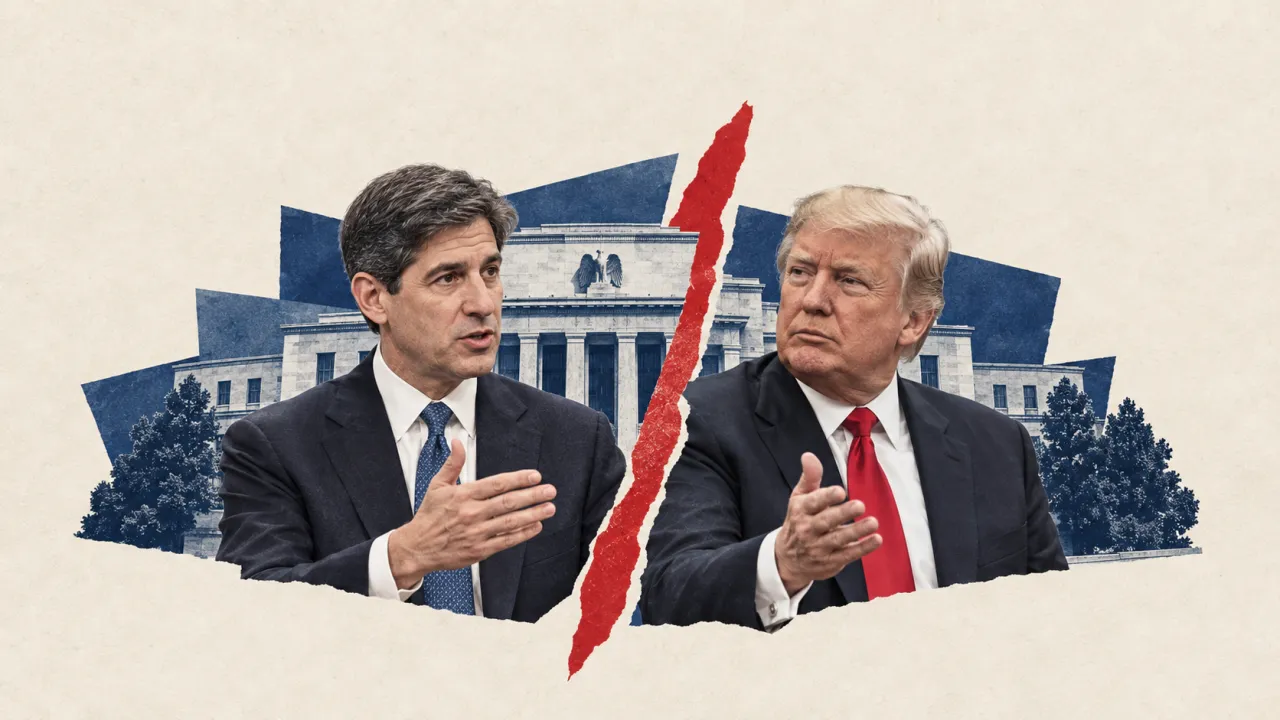
Seoul, September 17, 2026. The US Federal Reserve raised its benchmark interest rate by a quarter of a point on Wednesday, to a range of 3.75% to 4.00%, its first increase since July 2023. The vote by the Federal Open Market Committee (FOMC), reported by Yonhap, resulted in a unanimous score of 12 to 0, despite President Donald Trump's threats to suspend trade with countries showing a surplus with Washington if the central bank did not lower its rates.
For the South Korean press, the figure that matters is not so much the decision itself, but its effect on the gap with the South Korean benchmark rate: Yonhap emphasizes that the gap between South Korea's and the US's key rates now reaches up to one percentage point. KBS World relays the comments of Fed President Kevin Warsh, appointed by Trump: "Inflation is too high and has been for too long." The FOMC's median projections now put the rate at 4.1% by the end of the year, compared to 3.8% anticipated in June, a sign that another rate hike is considered likely.
KBS World reports that this move has sparked speculation that the Bank of Korea may follow suit by raising its own rates before the end of the year. The South Korean institution thus finds itself in a dilemma similar to that of the Fed: containing imported inflation - particularly through the surge in oil prices linked to the war in Iran - without further slowing an economy already weakened by US tariffs.
The report on US underlying inflation, published on Friday, September 11, by the Bureau of Labor Statistics, showed a monthly increase of 0.3%, or 0.1 percentage point more than expected, fueling fears of persistent pressure on prices. Donald Trump, quoted by the Korea Herald, called for a rate cut to 1% or less, accusing Fed officials of trying to harm him politically just seven weeks before the midterm elections.
The South Korean press finally notes that the US rate hike automatically increases the cost of credit for households and businesses across the Pacific - credit cards, car loans, mortgages - while also noting, via the Korea Times, that savers could derive a slight benefit from their deposits.
SOURCES (4)
- YonhapMEDIUM
- Korea TimesMEDIUM
- KBS WorldMEDIUM