
DOMINANT ANGLE
Islamabad is measuring the cost in dollars of a decision it did not vote for: the Fed is tightening its monetary policy while Washington demands the opposite, and each rate hike increases the debt service burden of countries indebted in dollars.
Dominant angle identified — does not reflect unanimity of this country’s media
KEY POINTS
- 01
The Fed raised its target rate by a quarter point to 3.75%-4.00%, its first hike since 2023, decided unanimously under Kevin Warsh.
- 02
16 of the 18 Fed officials anticipate at least one more rate hike by the end of the year; Goldman Sachs is betting on October.
- 03
On Truth Social, Donald Trump demanded a rate of "1%, or less" and claims to have told Warsh to "vote with the board".
ANALYSIS
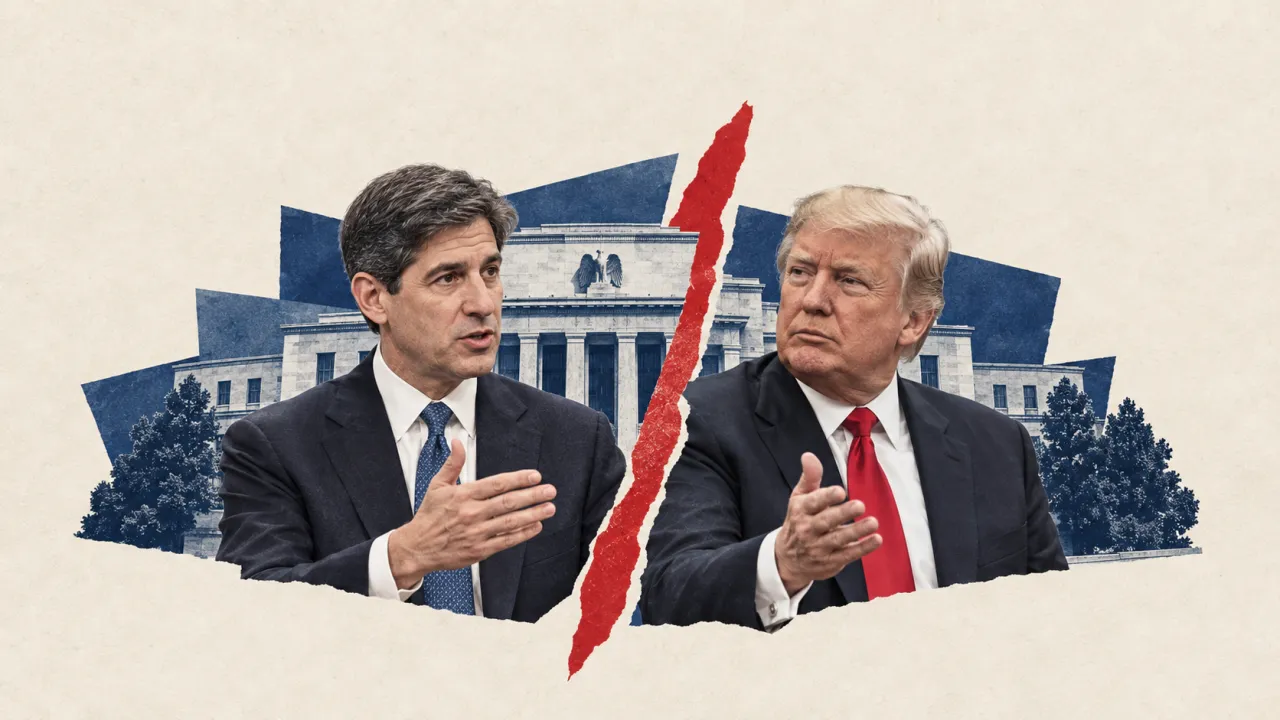
Islamabad, Thursday, September 17, 2026. The US Federal Reserve raised its key interest rate by a quarter of a point on Wednesday, to a range of 3.75% to 4.00%, its first increase since 2023. The decision, made unanimously under the presidency of Kevin Warsh — the man Donald Trump himself had chosen to succeed Jerome Powell and lower rates —, is reported by Geo News as proof of a failure: "just four months after taking office", notes the media, Warsh could do the opposite of what the president wanted. Before the announcement, 85% of economists surveyed by Reuters already anticipated this move. Quarterly projections show that 16 of the 18 Fed officials expect at least one more rate hike by the end of the year. Warsh justifies this tightening by an economy that "has gained strength", citing "resilient domestic spending" and "robust capital investment".
The response from Donald Trump, reported by Business Recorder, was not long in coming: on Truth Social, he demands that American rates be brought down to "1%, or less", stating that the United States is "the best credit in the world, by far", and hammering: "lower interest rates, and fast!". The president says he has "spoken to Kevin", advising him to "vote with the council" he nonetheless considers "hostile" and "political".
For the Pakistani economy, indebted in dollars and under an IMF program, the mechanics of the markets count as much as the political quarrel: the dollar has risen to a seven-week high, which automatically increases the cost of external debt. Gold jumped 1.1% to $4,310.49 an ounce, while oil retreated after the announcement of additional Saudi shipments via Oman — a partial reprieve for a net energy-importing country. Goldman Sachs is already expecting another rate hike in October, and futures contracts now integrate a 50% probability of a second increase as early as next month. The Bank of England is expected to maintain its rates on Thursday, the Bank of Japan to raise them on Friday: a global movement that the Pakistani press includes in the calculation of the cost of external borrowing, more than in the sole duel between the White House and its issuing institute.
SOURCES (2)
- Business RecorderMEDIUM